bookmark_borderLost Time (Doomsday Clock 2025)

Lost-Time-0.mp3
Lost-Time-0.mp4
Lost-Time-I.mp3
Lost-Time-I.mp4
Lost-Time-II.mp3
Lost-Time-II.mp4
Lost-Time-III.mp3
Lost-Time-III.mp4
Lost-Time-intro.mp3

[Intro]
Could it be we…
Are a threat to humanity?

[Verse 1]
Another year lost
And what’s the cost
Ticking down
To global catastrophe
(Just look around… to see)

[Bridge]
Could it be we…
Are a threat to humanity?

[Chorus]
We’re losing time
In our losing times
It’s growing too late
To wait (Wait!)

[Verse 2]
Another year gone
While we carry on
Losing time
To our own crime
(Look to you and me… to see)

[Bridge]
Could it be we…
Are a threat to humanity?

[Chorus]
We’re losing time
In our losing times
It’s growing too late
To wait (Wait!)

[Bridge]
Could it be we…
Are a threat to humanity?
Watch us carry on
(But for how long?)

[Chorus]
We’re losing time
In our losing times
It’s growing too late
To wait (Wait!)

[Outro]
Could it be we…
Are a threat to humanity?

———————————————————
2
[Intro]
[Bridge]
Could it be we…
Are the threat to humanity?

[Verse 1]
Another year lost
And what’s the cost
Ticking down
To global catastrophe
(Just look around… to see)

[Chorus]
We’re losing time
In our losing times
It’s growing too late
To wait (Wait!)

[Verse 2]
Another year gone
While we carry on
Losing time
To our own crime
(Look to you and me… to see)

[Chorus]
We’re losing time
In our losing times
It’s growing too late
To wait (Wait!)

[Bridge]
Could it be we…
Are a threat to humanity?
Watch us carry on
(But for how long?)

[Chorus]
We’re losing time
In our losing times
It’s growing too late
To wait (Wait!)

[Outro]
Could it be we…
Are the threat to humanity?

ABOUT THE SONG
The Doomsday Clock was set at 89 seconds to midnight on Tuesday morning, marking the closest the world has ever been to what scientists warn is “global catastrophe.” This symbolic clock, maintained by the Bulletin of the Atomic Scientists, is an internationally recognized indicator of humanity’s proximity to existential threats, such as nuclear war, climate change, and disruptive technologies.

Described by the Chicago-based nonprofit as a metaphorical measure of the risk of “human extinction,” the clock is updated annually to reflect the state of global security and stability. In January 2024, the clock remained at 90 seconds to midnight—the same position as in 2023—highlighting ongoing concerns. However, this latest adjustment to 89 seconds marks the first forward movement since 2023, signaling an escalation in perceived threats to humanity.

The change underscores a variety of urgent global challenges. These include heightened nuclear tensions, increasing climate-related disasters, and the proliferation of emerging technologies like artificial intelligence, which can both aid and destabilize international systems. The clock serves as a stark reminder that collective global action is needed to address these risks and avert catastrophe.
From the album “90 Seconds to Midnight” by Daniel

The Human Induced Climate Change Experiment

MegaEpix Enormous

bookmark_borderDo You Have a Plan?

[Intro]
Well, then…
Do you have a plan
To deal with man
Often

[Verse 1]
It seems like more and more
We bring on what’s in store
Opened up the barn door
Chaos will explore

[Chorus]
Watch it rain… watch it pour
(Watch the reign wash us poor)
If you want to make a sure bet
(You’re going to get wet)

[Bridge]
Well, then…
Do you have a plan
To deal with man
Often

[Verse 2]
Indeed in both word and deed
We cause the Earth to bleed
While we try (try, try) to succeed
We seize the freed

[Chorus]
Watch it rain… watch it pour
(Watch the reign wash us poor)
If you want to make a sure bet
(You’re going to get wet)

[Bridge]
Well, then…
Do you have a plan
To deal with man
Often

[Chorus]
Watch it rain… watch it pour
(Watch the reign wash us poor)
If you want to make a sure bet
(You’re going to get wet)

[Outro]
Well, then…
Do you have a plan
To deal with man
Often

From the album “Expectations” by Daniel

The Human Induced Climate Change Experiment

MegaEpix Enormous

bookmark_borderExpectations

[Intro]
Are your expectations…
Balanced with realizations

[Verse 1]
Economic contraction
Mass extinction
Severity of mortality
The new norm reality

[Chorus]
What did you expect
(After years of neglect)
Certainly no surprise
About time you realize

[Bridge]
Are your expectations…
Sustainable for generations

[Verse 2]
Fragmentation
Mass migration
Breakdown all around
Nowhere safe to be found

[Chorus]
What did you expect
(After years of neglect)
Certainly no surprise
About time you realize

[Bridge]
Are your expectations…
Shattered by realizations

[Chorus]
What did you expect
(After years of neglect)
Certainly no surprise
About time you realize

[Outro]
Are your expectations…
Experiencing fluctuations

————————————
2

[Intro]
Are your expectations…
In line with realizations

[Verse 1]
Economic slowdown
(Species falling down)
Severity of mortality
(The new norm reality)

[Chorus]
What did you expect
(After years of neglect)
Certainly no surprise
(About time you realize)

[Bridge]
Are your expectations…
Sustainable for generations

[Verse 2]
Social fragmentation
Fast mass migration
Get down breakdown
Nowhere safe around

[Chorus]
What did you expect
(After years of neglect)
Certainly no surprise
(About time you realize)

[Bridge]
Are your expectations…
Shattered by realizations

[Chorus]
What did you expect
(After years of neglect)
Certainly no surprise
(About time you realize)

[Outro]
Are your expectations…
Experiencing fluctuations

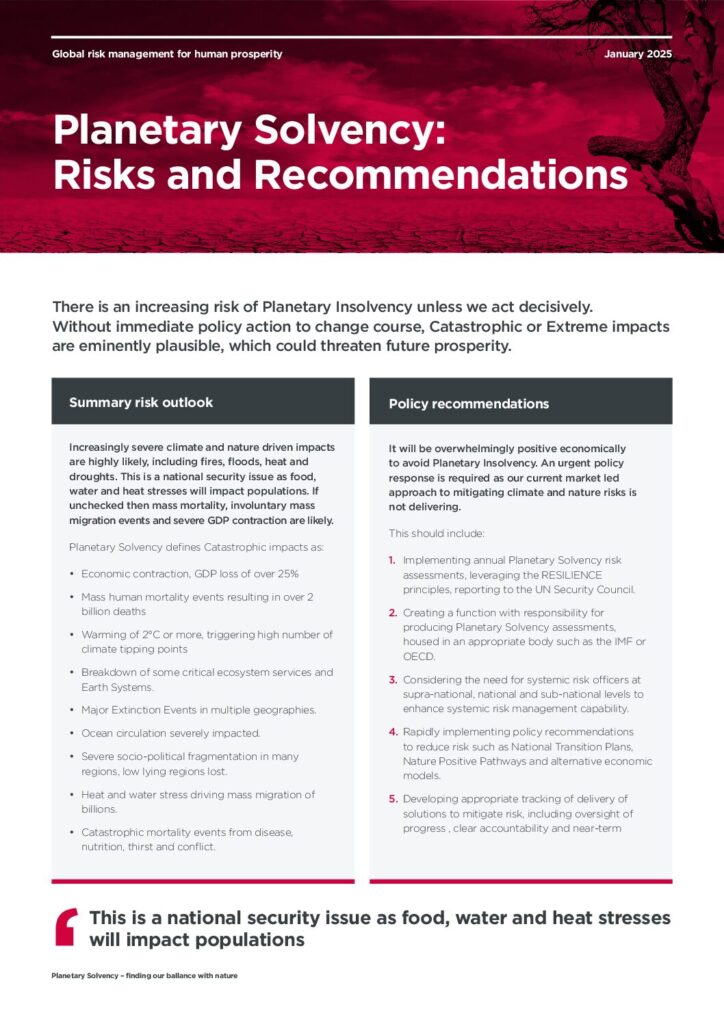
A SCIENCE NOTE
Increasingly severe climate and nature driven impacts are highly likely, including fires, floods, heat and droughts. This is a national security issue as food, water and heat stresses will impact populations. If unchecked then mass mortality, involuntary mass migration events and severe GDP contraction are likely.

Planetary Solvency defines Catastrophic impacts as:
• Economic contraction, GDP loss of over 25%
• Mass human mortality events resulting in over 2 billion deaths
• Warming of 2°C or more, triggering high number of climate tipping points
• Breakdown of some critical ecosystem services and Earth Systems.
• Major Extinction Events in multiple geographies.
• Ocean circulation severely impacted.
• Severe socio-political fragmentation in many regions, low lying regions lost.
• Heat and water stress driving mass migration of billions.
• Catastrophic mortality events from disease, nutrition, thirst and conflict

From the album “Expectations” by Daniel

The Human Induced Climate Change Experiment

MegaEpix Enormous

Planetary Solvency: Risks and Recommendations

bookmark_borderAre You a Casualty?

[Intro]
Are you feeling
(The future slipping)
Having trouble gripping
(Got you reeling)

[Verse 1]
Really, are you in reality
Can you see… really
Clearly, what we hold dearly
Is in jeopardy

[Chorus]
Are you feeling
(The future slipping)
Have trouble gripping
(It’s got you reeling)

[Bridge]
Dealing
(With our situation)
Appealing
(To the lowest denomination)
Appalling
(Demonstration)

[Verse 2]
Actually, are you a casualty
Failed to see reality
All you held dearly
A mere travesty

[Chorus]
Are you feeling
(The future slipping)
Have trouble gripping
(It’s got you reeling)

[Bridge]
Dealing
(With our situation)
Appealing
(To the lowest denomination)
Appalling
(Demonstration)

[Chorus]
Are you feeling
(The future slipping)
Have trouble gripping
(It’s got you reeling)

[Outro]
The future’s slipping
(Have trouble gripping)
Slipping, slipping, slipping

From the album “Withdraw” by The Beatless Sense Mongers

The Human Induced Climate Change Experiment

MegaEpix Enormous

bookmark_borderThe WHO

[Intro]
Who are you?
(To do what you do)
Who are you?
(Have you no clue)
Know clue

[Verse 1]
World health
(A great wealth)
Organize
(To keep us alive)

[Chorus]
Who are you?
(To do what you do)
Who are you?
(Have you no clue)
Know clue

[Bridge]
Who! Who! Who!
(Can you be true?)
Who! Who! Who!
(I’m calling on you)

[Verse 2]
You spread disease
(As though to please)
Want us all to die
(Oh, why, oh why?)

[Chorus]
Who are you?
(To do what you do)
Who are you?
(Have you no clue)
Know clue

[Bridge]
Who! Who! Who!
(Can you be true?)
Who! Who! Who!
(I’m calling on you)

[Chorus]
Who are you?
(To do what you do)
Who are you?
(Have you no clue)
Know clue

[Outro]
Who! Who! Who!
(Can be so cruel)
Who! Who! Who!
(Do you think you rule)

A SCIENCE NOTE
In January 20, 2025, President Donald Trump signed an executive order initiating the withdrawal of the United States from the World Health Organization (WHO).

This action marks the second time the Trump administration has sought to exit the WHO. In July 2020, during his first term, President Trump began the withdrawal process, citing dissatisfaction with the WHO’s handling of the COVID-19 pandemic and alleging undue influence from China. However, this initial withdrawal was reversed in January 2021 by then-President Joe Biden.

The recent decision to withdraw has raised concerns among public health experts. They warn that the U.S. may lose access to critical information on emerging health threats and diminish its influence in global health policy. Additionally, the WHO faces a significant reduction in funding, as the U.S. has been one of its largest contributors.

Climate Change and Health Outcomes
The health consequences of climate change are vast and far-reaching, posing challenges to both life expectancy and quality of life:

  1. Increased Pollution and Respiratory Diseases
    Air pollution remains the leading environmental contributor to premature death worldwide, and climate change worsens its impact. Higher temperatures intensify ground-level ozone and particulate matter, both of which are linked to respiratory and cardiovascular diseases. Wildfires—becoming more frequent and intense due to climate change—release massive amounts of toxic smoke, further degrading air quality and increasing respiratory illnesses.
  2. Cardiovascular Strain from Heat Waves
    Heat waves, amplified by global warming, disproportionately affect vulnerable populations, including the elderly, infants, and those with pre-existing health conditions. Heat-related cardiovascular strain is a growing concern, especially in regions unaccustomed to extreme temperatures.
  3. Zoonotic Diseases and Pandemics
    Rising global temperatures and habitat disruptions are driving the spread of zoonotic diseases, as seen with increased cases of dengue fever, Lyme disease, and other vector-borne illnesses. This trend not only endangers public health but also imposes additional strain on already overstretched healthcare systems.
  4. Healthcare Supply Chain Disruptions
    Severe weather events, such as hurricanes and floods, disrupt healthcare delivery by damaging infrastructure and supply chains. For instance, Hurricane Helene in 2024 caused a severe shortage of IV solutions, demonstrating how climate-related disruptions can ripple through the healthcare system with life-threatening consequences.

From the album “Withdraw” by The Beatless Sense Mongers

The Human Induced Climate Change Experiment

MegaEpix Enormous

bookmark_borderWithdraw

[Intro]
(Ah, ah, ah)
Did we withdraw
(Jaw drops in awe)
Are we really that dumb
(To succumb)

[Verse 1]
Reneged on our promises
(Yes, we did)
No more near misses
(Hide what can be hid)

[Chorus]
(Ah, ah, ah)
Did we withdraw
(Jaw drops in awe)
Are we really that dumb
(To succumb)

[Bridge]
Prioritizing greed
Over what we need
Up to no good
Instead of what we should

[Verse 2]
Couldn’t keep our word
(How absurd!?!?)
Just lie, lie, lie
(Till the day we die)

[Chorus]
(Ah, ah, ah)
Did we withdraw
(Jaw drops in awe)
Are we really that dumb
(To succumb)

[Bridge]
Prioritizing greed
Over what we need
Up to no good
Instead of what we should

[Chorus]
(Ah, ah, ah)
Did we withdraw
(Jaw drops in awe)
Are we really that dumb
(To succumb)

[Outro]
Up to no good
Instead of what we should

A SCIENCE NOTE
President Donald Trump has directed the United States to withdraw from the Paris Climate Agreement. On January 20, 2025, he signed an executive order initiating the withdrawal process, marking the second time his administration has taken this action.

The Paris Climate Agreement, established in 2015, is a global accord where countries commit to reducing greenhouse gas emissions to mitigate climate change. The U.S. initially withdrew from the agreement in 2017 under President Trump, a decision that was reversed in early 2021 by President Joe Biden. This recent withdrawal reaffirms the Trump administration’s stance on prioritizing fossil fuel production and scaling back environmental regulations.

From the album “Withdraw” by The Beatless Sense Mongers

The Human Induced Climate Change Experiment

MegaEpix Enormous

bookmark_borderCrisis? Yes.

[Intro]
Crisis?

Yes.

[Verse 1]
This is the nexus
Of the crisis
All your dominoes
Lined up in rows

[Bridge]
Crisis?

Yes.

[Verse 2]
This is the nexus
Of the crisis
That’s what this is — (Crisis)
These crises
(Oh, please, oh, please)

[Chorus]
Watch them fall
(One and all)
Watch them fall
(One and all)

[Bridge]
Crisis?

Yes.

[Chorus]
Watch them fall
(One and all)
Watch them fall
(One and all)

[Outro]
Heed the call
(One and all)

A SCIENCE NOTE
Yes, we are in a climate crisis, and in 2024, we have officially crossed the critical 1.5°C global temperature threshold. This milestone, once considered a warning limit, has now become a reality, signaling that the Earth’s climate is changing more rapidly and severely than previously anticipated. Human activities—primarily the burning of fossil fuels, deforestation, and industrial emissions—continue to drive this unprecedented warming, with devastating consequences for ecosystems, economies, and human well-being.

Key Indicators of the Climate Crisis:

  1. Surpassing the 1.5°C Threshold:
    • In 2024, global average temperatures exceeded 1.5°C above pre-industrial levels, a limit once seen as a vital goal to avoid the most dangerous impacts of climate change.
    • This breach indicates that extreme climate events, ecosystem loss, and socio-economic disruptions are accelerating beyond previous predictions.
    • Scientists warn that sustained warming at or above this level could trigger irreversible climate tipping points.
  2. Extreme Weather Becoming the Norm:
    • The frequency and intensity of heatwaves, droughts, wildfires, hurricanes, and floods have surged, with 2024 witnessing record-breaking disasters globally.
    • Events like Hurricane Helene and devastating wildfires in the U.S. have caused massive destruction, displacement, and economic losses in the hundreds of billions of dollars.
  3. Rising Sea Levels and Melting Ice:
    • The Arctic and Antarctic ice sheets are shrinking faster than ever, leading to accelerating sea-level rise that threatens coastal communities and critical infrastructure.
    • Entire low-lying regions and island nations are facing the imminent threat of permanent inundation and displacement.
  4. Ecosystem Collapse and Biodiversity Loss:
    • Ecosystems around the world are collapsing under the stress of climate change, with coral reefs, rainforests, and polar habitats facing irreversible damage.
    • Species extinction rates have increased dramatically, threatening food security and natural resilience systems.
  5. Food and Water Insecurity:
    • Agricultural supply chains have been severely disrupted by prolonged droughts, floods, and shifting climate zones, leading to global food shortages and price volatility.
    • Freshwater resources are increasingly strained, exacerbating conflicts and humanitarian crises in vulnerable regions.
  6. Economic Consequences Escalating:
    • Climate-related disasters are costing the global economy trillions of dollars in damages, lost productivity, and insurance claims.
    • Industries such as agriculture, real estate, and infrastructure are under immense strain, with developing economies hit hardest.
  7. Health Impacts Worsening:
    • The rise in temperature has exacerbated heat-related illnesses, air pollution, and the spread of infectious diseases such as malaria and dengue fever.
    • Vulnerable populations, including the elderly and marginalized communities, are disproportionately affected by climate-related health crises.

Why It’s a Crisis:

Crossing the 1.5°C threshold confirms that we are in uncharted territory, and the consequences are now unfolding faster than expected. The risks of reaching catastrophic climate tipping points—such as the loss of Arctic ice, Amazon rainforest dieback, and the release of methane from permafrost—are growing. The time for gradual action has passed; urgent and transformative measures are the only path forward.

Solutions Needed Immediately:

The climate crisis demands an unprecedented global response, including:

  • Rapid transition to renewable energy and phasing out fossil fuels.
  • Stronger climate policies to enforce emissions reductions and climate adaptation measures.
  • Massive investment in resilience for vulnerable communities and infrastructure.
  • Reforming global food systems to adapt to changing climate conditions.
  • Holding corporations accountable for their environmental impact and encouraging sustainable business practices.

In conclusion, having surpassed 1.5°C of warming, we are already facing the dire consequences of climate change. Without immediate and drastic action, the crisis will spiral further out of control, endangering future generations and the very habitability of the planet.

From the album “90 Seconds to Midnight” by Daniel

Also found on the album “Reggae Gone Astray” by Narley Marley

The Human Induced Climate Change Experiment

MegaEpix Enormous

bookmark_borderWake-Up Call!

[Intro]
This is the front desk
Answering your request
A wake-up call:
(Announcing the fall)

[Verse 1]
You don’t want to be late
(For your own wake)
So, please don’t hesitate
(More give, less take)

[Chorus]
This is the front desk
Answering your request
Place a wake-up call:
(Announcing the fall)

[Bridge]
Movements reflect
(Expert assessment)
The urgent need
(To succeed)

[Verse 2]
Don’t wanna make people wait
(For your own wake)
All the world’s weight
(Determines your fate)

[Chorus]
This is the front desk
Answering your request
Place a wake-up call:
(Announcing the fall)

[Bridge]
Movements reflect
(Expert assessment)
The urgent need
(To succeed)

[Chorus]
This is the front desk
Answering your request
Place a wake-up call:
(Announcing the fall)

[Outro]
Your wake-up call…
After all.

A SCIENCE NOTE

The Doomsday Clock serves as a wake-up call, urging policymakers, scientists, and the public to take immediate, coordinated action to mitigate these threats. Despite its symbolic nature, the clock’s movement reflects expert assessments of real-world risks and underscores the urgent need for global cooperation to prevent irreversible damage to the planet and human civilization.

The clock does not predict specific dates or events but serves as a stark warning about humanity’s proximity to existential threats. The concept of “midnight” on the clock symbolizes a tipping point where these dangers spiral out of control, leading to irreversible consequences for life on Earth.

As of January 2024, the clock being set at 90 seconds to midnight—the closest it has ever been—reflects the severity of multiple, compounding global crises.

From the album “90 Seconds to Midnight” by Daniel

The Human Induced Climate Change Experiment

MegaEpix Enormous

bookmark_borderSymbolic Apocalypse

[Intro]
Weaponization (of information)
A giant thrust (erosion of trust)

[Verse 1]
Another pandemic
(Is sure to make you sick)
Given fair warning
(On the acceleration of warming)

[Bridge]
Weaponization (of information)
A giant thrust (erosion of trust)

[Chorus]
Symbolic nature
Of our nurture
How much crime
Till we’re out of time

[Verse 2]
It’s clear a nuclear arsenal
(Could make ashes of us all)
Ignorance will be our fall
(Making asses of us all)

[Bridge]
Weaponization (of information)
A giant thrust (erosion of trust)

[Chorus]
Symbolic nature
Of our nurture
How much crime
Till we’re out of time

[Outro]
[Instrumental, Guitar Solo]
Weaponization (of information)
A giant thrust (erosion of trust)

A SCIENCE NOTE
A symbolic apocalypse, as represented by the Doomsday Clock, refers to the potential for catastrophic global events that could fundamentally alter or even end human civilization. The clock does not predict specific dates or events but serves as a stark warning about humanity’s proximity to existential threats. The concept of “midnight” on the clock symbolizes a tipping point where these dangers spiral out of control, leading to irreversible consequences for life on Earth.

As of January 2024, the clock being set at 90 seconds to midnight—the closest it has ever been—reflects the severity of multiple, compounding global crises:

  1. Nuclear Risk:
    • Rising geopolitical tensions among nuclear-armed states, such as the conflict between Russia and Ukraine, threats from North Korea, and increasing friction between China and the United States, have heightened the risk of nuclear confrontation.
    • Modernization of nuclear arsenals and the dismantling of arms control agreements have further exacerbated fears of an unintentional or deliberate nuclear exchange.
  2. Climate Change:
    • The acceleration of global warming, marked by record-breaking temperatures, extreme weather events, and the melting of polar ice caps, signifies that climate thresholds are being crossed faster than previously anticipated.
    • Insufficient international action to curb greenhouse gas emissions and the ongoing reliance on fossil fuels have brought the world closer to ecological collapse, with rising sea levels, biodiversity loss, and food insecurity threatening billions.
  3. Disruptive Technologies:
    • The rapid advancement of artificial intelligence, biotechnology, and cyber warfare presents new, unpredictable threats to global stability.
    • Misinformation campaigns, AI-driven military applications, and the potential misuse of genetic engineering could lead to destabilization, societal disruption, and new forms of conflict.
  4. Pandemics and Biosecurity Threats:
    • The lessons learned from the COVID-19 pandemic highlight the fragility of global health systems and the potential for future biological threats, whether naturally occurring or engineered.
    • Inadequate preparedness and international cooperation could result in more frequent and deadly outbreaks in the future.
  5. Political Instability and Disinformation:
    • The spread of misinformation and erosion of trust in institutions have fueled political extremism, social unrest, and weakened democratic processes worldwide.
    • Cyberattacks and the weaponization of information are increasingly used to manipulate public opinion and destabilize governments.

The Doomsday Clock serves as a wake-up call, urging policymakers, scientists, and the public to take immediate, coordinated action to mitigate these threats. Despite its symbolic nature, the clock’s movement reflects expert assessments of real-world risks and underscores the urgent need for global cooperation to prevent irreversible damage to the planet and human civilization.

From the album “90 Seconds to Midnight” by Daniel

The Human Induced Climate Change Experiment

MegaEpix Enormous

bookmark_border90 Seconds to Midnight

[Intro]
Did I hear that right?
(90 seconds to midnight)
[Instrumental, Guitar Solo]
Self-destruction
(Detonation)

[Verse 1]
The Bulletin of the Atomic Scientists
(Suggests:)
Human-made threats
(Cause regrets)
90, 89, 88…
(At this rate)

[Chorus]
Did I hear that right?
(90 seconds to midnight)
[Instrumental, Guitar Solo]
Self-destruction
(Detonation)

[Bridge]
Doomsday clock
(Tick-tock, tick-tock)
Foundations rock
(Tick-tock, tick-tock)

[Verse 2]
Midnight’s a global catastrophe
(Hoping not to see)
Come on, man, really?!?!
(Stop the tragedy)
10, 9, 8…
(At this rate)

[Chorus]
Did I hear that right?
(90 seconds to midnight)
[Instrumental, Guitar Solo]
Self-destruction
(Detonation)

[Bridge]
Doomsday clock
(Tick-tock, tick-tock)
Foundations rock
(Tick-tock, tick-tock)
Check you clock
(Tick-tock, tick-tock)

[Chorus]
Did I hear that right?
(90 seconds to midnight)
[Instrumental, Guitar Solo]
Self-destruction
(Detonation)

[Outro]
(Tick-tock, tick-tock)
Too soon?
(Boom!)

A SCIENCE NOTE
The Doomsday Clock is a symbolic representation created by the Bulletin of the Atomic Scientists in 1947 to illustrate how close humanity is to self-destruction due to dangerous technologies and human-made threats. Midnight on the clock symbolizes a global catastrophe.

As of January 2024, the Doomsday Clock is set at 90 seconds to midnight, the closest it has ever been to symbolic apocalypse. This setting reflects ongoing threats such as nuclear risk, climate change, and disruptive technologies.

The Bulletin of the Atomic Scientists is scheduled to announce any adjustments to the Doomsday Clock later this month, considering recent global events and escalating conflicts.

From the album “90 Seconds to Midnight” by Daniel

Also found on the album “Reggae Gone Astray” by Narley Marley

The Human Induced Climate Change Experiment

MegaEpix Enormous

bookmark_borderThinking

[Intro]
Full-spectrum thinking
(Are we all sinking)
Could I be realizing
(The oceans are rising)

[Verse 1]
Have you given it a second thought
No? Why not?
Could it be you choose destiny
Over reality

[Chorus]
Full-spectrum thinking
(Are we all sinking)
Could I be realizing
(The oceans are rising)

[Bridge]
No longer half full
(No longer half empty)
Any fool can see
(We push, we pull)

[Verse 2]
Can you keep your eye on the ball
I mean, after all…
Could it be you choose delusion
Over conclusion

[Chorus]
Full-spectrum thinking
(Are we all sinking)
Could I be realizing
(The oceans are rising)

[Bridge]
No longer half full
(No longer half empty)
Any fool can see
(We push, we pull)

[Chorus]
Full-spectrum thinking
(Are we all sinking)
Could I be realizing
(The oceans are rising)

[Outro]
Could I be realizing
(No more surprising)

————————————-

[Silence]

[Instrumental, Guitar, Organ, Synth, Bass, Drum Fills]

[Intro]
[Instrumental, Guitar Solo]

[Bridge]
[Instrumental, Bass Solo]
Full-spectrum thinking
(Are we sinking)
Could be realizing
(Oceans are rising)

[Instrumental, Bass Solo]

[Verse]
Diverse perspective
(Universe… effective)
Diverse approach
(Beyond encroach)

[Chorus]
Full-spectrum thinking
(Are we sinking)
Could be realizing
(Oceans are rising)

[Bridge]
[Instrumental, Guitar Solo]
No longer half full
(No longer half empty)
Any fool can see
(We push, we pull)

[Instrumental, Bass Solo]

[Chorus]
Full-spectrum thinking
(Are we sinking)
Could be realizing
(Oceans are rising)

[Outro]
Could I be realizing
(No more surprising)

From the album “Full Spectrum” by Daniel

Also found on the album “Reggae Today” by Narley Marley

The Human Induced Climate Change Experiment

MegaEpix Enormous

bookmark_borderStuck in the Middle

[Intro]
I’ve got one foot on the floor
(The other out the door)
How to answer the riddle
(When stuck in the middle)

[Bridge]
Head into the light
Head… in the light (light)

[Verse 1]
Can’t seem to get
In or out
Farewell regret
If there’s a doubt

[Chorus]
I’ve got one foot on the floor
(The other out the door)
How to answer the riddle
(When your hearts stuck in the middle)

[Bridge]
Can you change your ways
(There’s only so many days)
Can you change your attitude
(From mean and crude)
To the light

(Delight in sight)
Delight in sight

[Verse 2]
Half way in
Half way out
What a sin
Makes me shout!

[Chorus]
I’ve got one foot on the floor
(The other out the door)
How to answer the riddle
(When your hearts stuck in the middle)

[Bridge]
Can you change your ways
(There’s only so many days)
Can you change your attitude
(From mean and crude)
To the light

(Delight in sight)
Delight in sight

[Outro]
Head into the light
Head… in the light (light)
Shinning in the light
(Into the light)

ABOUT THE SONG
This song serves as a poignant metaphor for humanity’s conflicted relationship with cheap energy and the climate crisis. The imagery of “one foot on the floor, the other out the door” reflects our hesitation — caught between the comfort of fossil fuels and the necessity of transitioning to sustainable energy sources. It highlights our internal struggle: the convenience of the present versus the pressing need for a sustainable future.

The recurring riddle symbolizes the complexity of this dilemma. We know the problem and its potential solutions, yet our hearts are “stuck in the middle,” trapped between the allure of cheap energy and the undeniable consequences of its continued use.

The bridge calls for a shift in mindset—”Can you change your ways… from mean and crude to the light?” This suggests that humanity must overcome its destructive habits and embrace the “light,” symbolizing renewable energy, hope, and a sustainable future. The repeated emphasis on “delight in sight” points to the rewards and relief that await if we make the necessary changes.

The “sin” in Verse 2 represents the moral weight of inaction and the frustration of being “halfway in, halfway out,” unable to fully commit to change. The concluding lines—”into the light, shining in the light”—offer a hopeful vision, encouraging humanity to move forward and illuminate a path to a better, more sustainable world.

From the album “Trapped” by Daniel

The Human Induced Climate Change Experiment

MegaEpix Enormous

bookmark_borderJailed

[Intro]
Stuck inside these three walls
(The forth is just bars)
Nowhere to hide when nature calls
(You call this stripes and stars)

[Verse 1]
What did I do
Mistaken cue
Your point-of-view
Is quite askew

[Bridge]
What gives you the power
(In our last hour)
To be so wrong
(We don’t have long)

[Chorus]
Stuck inside these three walls
(The forth is just bars)
Nowhere to hide when nature calls
(You call this stripes and stars)

[Verse 2]
One of the few
To try to get through
You won’t pay what’s due
Will you?

[Bridge]
What gives you the power
(In our last hour)
To be so wrong
(We don’t have long)

[Chorus]
Stuck inside these three walls
(The forth is just bars)
Nowhere to hide when nature calls
(You call this stripes and stars)

[Bridge]
Oh, well…
You’ve built this cell
When all else failed —
Jailed

[Outro]
You call this stars and stripes
(Yipes!)

ABOUT THE SONG

This song can be interpreted as a powerful metaphor for how American citizens, through inaction or harmful actions, are effectively trapping themselves by failing to address the climate crisis—a crisis that threatens the very rights and freedoms they cherish. Here’s a breakdown of the metaphor:

[Intro]

The “three walls” represent the self-imposed constraints of ignorance, denial, and delay, while the “fourth wall” of bars symbolizes the irreversible consequences of climate inaction—like being locked in a prison of our own making. The reference to “stripes and stars” contrasts the ideal of freedom with the reality of confinement, suggesting that the very symbols of liberty have been twisted into a facade.

[Verse 1]

The confusion and missteps (“Mistaken cue,” “Your point-of-view is quite askew”) point to societal misjudgments—how priorities like short-term profits and convenience overshadow the urgent need for environmental action. The critique highlights how distorted perspectives lead to destructive decisions.

[Chorus]

The repetition of being “stuck inside these three walls” reinforces the sense of entrapment caused by systemic failures to act on climate change. “Nowhere to hide when nature calls” emphasizes that no one is immune to the consequences of a deteriorating environment. The irony of calling this entrapment “stripes and stars” underscores the disconnect between the nation’s identity and its reality.

[Verse 2]

The frustration with being “one of the few” who recognize and try to address the crisis reflects the struggle of environmental advocates. The accusation, “You won’t pay what’s due,” highlights the refusal of many to take responsibility for their role in exacerbating the problem.

[Bridge]

“What gives you the power to be so wrong” challenges the authority of those perpetuating the status quo. The urgency in “We don’t have long” echoes the narrowing window of opportunity to prevent catastrophic climate outcomes.

[Outro]

The final lines—”Oh, well… You’ve built this cell”—deliver a haunting conclusion: the environmental “prison” is a human creation, born of neglect and selfishness. The sarcastic “You call this stars and stripes (Yipes!)” drives home the irony of a nation priding itself on freedom while actively undermining its future through inaction.

Overall Metaphor

The song reflects the tragic irony of a society capable of protecting its rights and environment but instead choosing to destroy them. Through the lens of climate change, it critiques how citizens’ choices—driven by shortsightedness, apathy, or greed—have created a trap that threatens their own survival and freedom. It serves as both a warning and a call to action to break free from this self-imposed cell before it’s too late.

From the album “Trapped” by Daniel

The Human Induced Climate Change Experiment

MegaEpix Enormous

bookmark_borderWhat Kind of Animal

[Intro]
A last-ditch effort
(To save my life)
… had to resort
To autonomy
(… less the death of me)

[Bridge]
With great strife
(To save my life)

[Verse 1]
Gnaw off a trapped limb
(To escape predators)
Sure hate the place I’m in
(Lookin’ heavenwards)

[Chorus]
A last-ditch effort
(To save my life)
… had to resort
To autonomy
(… less the death of me)

[Bridge]
With great strife
(To save my life)

[Verse 2]
Chew through almost anything
(Just to hear freedom sing)
The instinct to remain
(Outweighs the price of pain)

[Chorus]
A last-ditch effort
(To save my life)
… had to resort
(To autonomy)
Or else the death of me

[Bridge]
With great strife
(To save my life)

[Chorus]
A last-ditch effort
(To stay alive)
A final resort
To autonomy
(… less the death of me)

[Outro]
Strive to thrive
(And stay alive)

ABOUT THE SONG
Several animals are known to chew off their own limbs to escape a trap or life-threatening situation. This behavior, called autotomy or self-amputation, is an extreme survival strategy. Here are examples of animals that may exhibit this behavior:

  1. Foxes – Known for their resourcefulness, foxes will sometimes gnaw off a trapped limb to escape predators or traps.
  2. Coyotes – Like foxes, coyotes have been observed using this drastic measure to survive.
  3. Rats – These highly adaptable creatures are known to chew through almost anything, including their own limbs, if necessary to escape.
  4. Beavers – Occasionally, beavers caught in traps have been documented chewing off a leg to free themselves.
  5. Raccoons – Resourceful and resilient, raccoons will sometimes resort to this behavior when stuck.

Why Do They Do It?

Animals that resort to this behavior do so as a last-ditch effort to save their lives. The instinct to survive outweighs the pain or long-term consequences of losing a limb. While it’s a rare and desperate measure, it highlights the lengths some animals will go to avoid death.

CLIMATE CHANGE

What about humanity trapping itself on Earth by increasing greenhouse gases? We’ve set our own trap and are now suffering the consequences. What will humanity do next… metaphorically chew off its own head?

From the album “Trapped” by Daniel

The Human Induced Climate Change Experiment

MegaEpix Enormous

bookmark_borderThe Easy Way Out

[Intro]
It’s so cheap
To waste and burn
In too deep
To ever learn

[Verse 1]
“Me first” is all I seem to hear
Please, America… oh, oh dear
In order to survive
The world must thrive

[Chorus]
About to find out
The easy way out
(Ain’t so easy)
Finding out about
The days of doubt
(Will make you queasy)

[Bridge]
It’s so cheap
To waste and burn
In too deep
To ever learn

[Verse 2]
Come to find
The easy way out
Is the hard road
Can’t rewind
No cryin’ nor pout
Will help ease the load

[Chorus]
About to find out
The easy way out
(Ain’t so easy)
Finding out about
The days of doubt
(Will make you queasy)

[Bridge]
It’s so cheap
To waste and burn
In too deep
To ever learn

[Chorus]
About to find out
The easy way out
(Ain’t so easy)
Finding out about
The days of doubt
(Will make you queasy)

[Outro]
Waste and burn
(Never learn)

ABOUT THE SONG

This song uses vivid imagery and emotional language to critique humanity’s unsustainable relationship with the environment, particularly in the context of climate change. Here’s an interpretation:

Introduction and Bridges

The recurring lines, “It’s so cheap to waste and burn / In too deep to ever learn,” capture the ease and immediacy with which modern society exploits resources without considering the long-term consequences. The phrase “cheap to waste and burn” symbolizes our short-sighted, consumption-driven mindset, where economic convenience trumps environmental responsibility. “In too deep to ever learn” reflects a sense of despair, suggesting that humanity’s entrenched habits and systemic inertia make meaningful change seem impossible.

Verse 1

“‘Me first’ is all I seem to hear” critiques the pervasive selfishness of individualistic and nationalistic attitudes, where short-term personal or economic gain takes precedence over global well-being. The plea, “Please, America… oh, oh dear,” underscores the global leadership role the United States plays in climate action—or inaction. The verse closes with a call to recognize interdependence: “In order to survive / The world must thrive,” emphasizing that humanity’s fate is inseparable from the health of the planet.

Chorus

The chorus highlights a grim realization: “About to find out / The easy way out (Ain’t so easy).” This suggests that humanity’s current path, driven by convenience and avoidance of hard decisions, will ultimately lead to devastating consequences. The “days of doubt” evoke a sense of impending crisis, with uncertainty and regret looming over society’s unpreparedness. The visceral reaction, “Will make you queasy,” signals the discomfort and fear that come with facing the reality of environmental collapse.

Verse 2

The second verse shifts to a more reflective tone. “Come to find / The easy way out is the hard road” underscores the paradox of seeking shortcuts in addressing climate change: avoiding tough choices now will lead to even greater struggles later. The lines, “No cryin’ nor pout / Will help ease the load,” emphasize the futility of regret when irreversible damage has already been done.

Outro

The closing lines, “Waste and burn (Never learn),” serve as a haunting refrain, lamenting humanity’s inability—or unwillingness—to break free from destructive cycles. It leaves the listener with a sense of tragic inevitability, a warning of what lies ahead if immediate action isn’t taken.

Overall Themes

This song is a cautionary tale about the dangers of complacency and denial in the face of climate change. It critiques societal apathy, selfishness, and shortsightedness while emphasizing the urgent need for collective responsibility. The tone oscillates between frustration, despair, and a faint glimmer of hope, encapsulated in its message: we are “about to find out” that the consequences of our actions are far more severe than we anticipate.

From the album “Status Quo” by Daniel

The Human Induced Climate Change Experiment

MegaEpix Enormous