bookmark_borderBurn, Baby, Burn

[Intro]
He said, “Drill, baby, drill”
(Oh how shrill)
You mean, “Burn, baby, Burn)
(You’ll never learn)

[Verse 1]
Exploit and consume
Non-stop, resume
Drilling, wells…
Well, can’t you tell

[Bridge]
Mine, baby, mine
(Until the miner’s major)
Mine, all, mine
(Till left in disaster)

[Chorus]
He cried, “Drill, baby, drill”
(Oh how shrill)
You mean, “Burn, baby, Burn”
(You’ll never learn)

[Verse 2]
Mass consumption
Exploitation
A natural resource
Has no recourse

[Bridge]
Mine, baby, mine
(Until the miner’s major)
Mine, all, mine
(Till left in disaster)

[Chorus]
He cried, “Drill, baby, drill”
(Oh how shrill)
You mean, “Burn, baby, Burn”
(You’ll never learn)

[Bridge]
Mine, baby, mine
(Until the miner’s major)
Mine, all, mine
(Till left in disaster)

[Chorus]
He cried, “Drill, baby, drill”
(Oh how shrill)
You mean, “Burn, baby, Burn”
(You’ll never learn)

[Outro]
“Burn, baby, Burn”
(You’ll never learn)

A SCIENCE NOTE: Drill, Baby, Drill (How Hate and Ignorance Distort Economic Perspectives)
Perhaps most importantly is the repeated use of the phrase ‘Drill, Baby, Drill’. The phrase encapsulates a harmful approach to energy policy that prioritizes fossil fuel extraction over sustainable practices. Climate change, exacerbated by such policies, poses the most severe threat not only to our environment but also to our economy.

During the first Trump administration, tax cuts initially accelerated economic growth but led to increased federal deficit spending, which soon drove up borrowing costs and ultimately slowed the economy. While many attributed the initial supply chain issues and inflationary pressures primarily to the COVID-19 pandemic, the first inflationary event was actually sparked by climate change—the 2019 drought in Taiwan. Taiwan, a global center for microchip production, saw its chip manufacturing severely impacted by this drought, which reduced the water supply crucial for chip fabrication and forced some facilities to shut down temporarily. This disruption marked the beginning of supply chain issues that rippled through multiple sectors, creating shortages and fueling inflation.

The climate-induced inflationary cycle was further amplified by multi-billion dollar climate-related disasters, from severe hurricanes and wildfires to extended droughts. These events impacted insurance costs significantly, leading to spikes in homeowners’ and auto insurance premiums. President Trump’s proposed “Drill, baby, drill” approach, which prioritizes expanding fossil fuel extraction, is likely to exacerbate these issues by accelerating climate change effects, driving further economic instability, and intensifying the inflationary cycle tied to environmental damage.

From the album “ComprehEnd… the End” by The End

Also found on the album “Reggae Way” by Narley Marley

The Human Induced Climate Change Experiment

MegaEpix Enormous

bookmark_borderManifested

[Intro]
Oh, oh (Woe, oh)

[Bridge]
Manifested
(My man infested)

[Verse 1]
Mother Nature wailed
(As humanity flailed)
Says the matriarch
(Our situation’s stark)

[Bridge]
Manifested
(My man infested)

[Chorus]
Oh, oh (Woe, oh)
Manifested
Oh, oh (Woe, oh)
Man’s infested
(No, know no)
Die-gested

[Verse 2]
Mother Nature cried
(As humanity died)
Says the matriarch
(Our situation’s dark)

[Bridge]
Manifested
(My man infested)

[Chorus]
Oh, oh (Woe, oh)
Manifested
Oh, oh (Woe, oh)
Man’s infested

[Outro]
(No, know no)
Die-gested

ABOUT THE SONG

This song can be interpreted as a lament about the destructive impact of humanity on the environment, particularly in the context of climate change. Here’s a breakdown of its themes:

Intro and Chorus:

The repeated “Oh, oh (Woe, oh)” signifies a collective mourning or grief for the state of the planet. The wordplay between “manifested” and “man infested” draws attention to how human actions have “infested” the Earth, turning our existence into a source of destruction rather than coexistence. “Die-gested” suggests that humanity’s exploitation of natural resources is leading to its own demise, metaphorically “digesting” itself through unsustainable practices.

Bridge:

The repetition of “Manifested (My man infested)” reinforces the idea that humanity has created its own downfall through greed, neglect, and environmental abuse. It reflects a sense of inevitability about the consequences of unchecked human activity.

Verse 1 and Verse 2:

Mother Nature is personified as a grieving matriarch, expressing sorrow (“wailed,” “cried”) over the irreversible damage caused by humanity. The lines “Our situation’s stark/dark” highlight the urgent and dire state of the climate crisis, where humanity’s inability to adapt or change has led to its own suffering.

Themes:

  1. Environmental Destruction: The song mourns the planet’s degradation due to human actions, including deforestation, pollution, and overconsumption.
  2. Inevitability of Consequences: “Manifested” implies that the current state of the world is a direct result of human behavior. The wordplay on “man infested” suggests that humans have acted more like parasites than stewards of the Earth.
  3. Warning and Regret: The matriarch’s sorrow can be seen as a warning about the consequences of ignoring nature’s warnings, with “die-gested” symbolizing humanity’s self-inflicted extinction.

Final Interpretation:

The song acts as a poignant metaphor for the climate crisis, showing how human actions have led to an unsustainable and destructive relationship with the planet. The tone of mourning and the imagery of a grieving Mother Nature underscore the urgency to reverse these effects before it is too late.

From the album “ComprehEnd… the End” by The End

The Human Induced Climate Change Experiment

MegaEpix Enormous

bookmark_borderMove

[Intro]
Move!
(Better move faster)
Move!
(Oncoming disaster)

[Bridge]
Move!
(Move out of the way)
Move!
(Can’t afford to wait another day)

[Verse 1]
Managed retreat (retreat, retreat)
Man’s aged defeat (defeat, defeat)
The crime to end time
It’s such a shame
(… only us to blame)

[Chorus, Female Vocals]
Move!
(Better move faster)
Move!
(Avoid disaster)

[Bridge]
Move!
(Move out of the way)
Move!
(Can’t afford to wait another day)

[Verse 2]
Flood and fire (deeper, higher)
Blood and guts (all gone nuts)
The crime to end time
It’s such a shame
(… only us to blame)

[Chorus]
Move!
(Better move faster)
Move!
(Avoid disaster)

[Bridge]
Move!
(Move out of the way)
Move!
(Can’t afford to wait another day)

[Chorus]
Move!
(Better move faster)
Move!
(Avoid disaster)

Move!
(Move out of the way)
Move!
(Can’t afford to wait another day)

[Outro]
The crime to end time
It’s such a shame
(… only us to blame)

A SCIENCE NOTE

The impact of climate change on insurance rates and coverage illustrates the growing and unsustainable costs of climate-related disasters. In high-vulnerability areas like coastal properties and states such as Florida, Louisiana, Mississippi, Georgia, Oklahoma, Texas, Arizona, Arkansas, Alabama, New Mexico, Nevada, Colorado, California, and Washington, the convergence of rising insurance premiums, frequent natural disasters, and declining property values creates a compounding crisis. For example, in Florida, Louisiana, and California, taxpayers already subsidize homeowner insurance premiums due to the inability of private insurers to bear the mounting risks alone. In Florida, the state-owned insurer, Citizens Property Insurance Corporation, has become the largest insurer, a testament to the scale of market withdrawal by private companies. For those holding property in Florida, it may indeed be a case of “better late than never” to consider selling or relocating. As climate risks continue to escalate, so too will the financial and personal costs of remaining in high-risk areas. (i.e. Managed Retreat).

As climate-related disasters — such as hurricanes, wildfires, and flood — increase in both frequency and intensity, the economic strain on both taxpayers and insurance systems is becoming unsustainable. Florida’s reliance on taxpayer-backed insurance, for instance, exposes state finances to significant risk, particularly after events like Hurricane Ian in 2022, which caused catastrophic losses. Taxpayer-funded bailouts of insurance systems and rising deficits could divert resources from other critical areas, further exacerbating economic instability.

The real estate market in these high-risk zones is also feeling the effects. With increasing difficulty in obtaining or affording insurance, properties are losing value, and homeowners face the growing prospect of being unable to sell or refinance. Liquidating properties in such areas might mitigate individual financial risks, but widespread devaluation could trigger broader economic repercussions, including localized housing market collapses.

Insurance costs across sectors — including crop insurance, property insurance, real estate policies, and transportation coverage — are projected to rise annually as risk assessments become more climate-focused. In agriculture, extreme weather events such as droughts and floods are already inflating premiums for crop insurance, threatening the viability of farms. Similarly, transportation insurers face rising costs due to infrastructure damage from climate-related disasters, such as washed-out roads and disrupted supply chains.

To address these challenges, systemic reforms are necessary. This includes redesigning insurance models to incorporate climate resilience, investing in mitigation measures like improved infrastructure and flood defenses, and implementing policies that discourage development in high-risk zones. Without such changes, the cycle of rising costs and escalating risks will continue to burden individuals, businesses, and governments.

From the album “ComprehEnd… the End” by The End

The Human Induced Climate Change Experiment

MegaEpix Enormous

bookmark_borderCancelled

[Intro]
We regret to inform you
Your policy has been cancelled
(And, there’s nothing you can do)

[Verse 1]
The extreme
Is getting so mean
It’s time to move
(Nothing more to prove)

[Bridge]
We regret to inform you
Your policy has been cancelled
(And, there’s nothing you can do)

[Chorus[
Da! (California)
It’s time to run
Da! (Florida)
Your time is done

[Verse 2]
The extreme scene
Past time to wean
It’s time to runaway
(Past time today)

[Bridge]
We regret to inform you
Your policy has been cancelled
(And, there’s nothing you can do)

[Chorus[
Da! (California)
It’s time to run
Da! (Florida)
Your time is done

[Bridge]
We regret to inform you
Your policy has been cancelled
(And, there’s nothing you can do)

[Chorus[
Da! (California)
It’s time to run
Da! (Florida)
Your time is done

[Outro]
Cancelled
(Damage: substantial)

A SCIENCE NOTE
The impact of climate change on insurance rates and coverage illustrates the growing and unsustainable costs of climate-related disasters. In high-vulnerability areas like coastal properties and states such as Florida, Louisiana, Mississippi, Georgia, Oklahoma, Texas, Arizona, Arkansas, Alabama, New Mexico, Nevada, Colorado, California, and Washington, the convergence of rising insurance premiums, frequent natural disasters, and declining property values creates a compounding crisis. For example, in Florida, Louisiana, and California, taxpayers already subsidize homeowner insurance premiums due to the inability of private insurers to bear the mounting risks alone. In Florida, the state-owned insurer, Citizens Property Insurance Corporation, has become the largest insurer, a testament to the scale of market withdrawal by private companies.

  • The Insurance Crisis the FAIR Plan a System Under Strain: California’s insurance industry is facing a growing crisis, rendering it unsustainable and putting the state’s real estate market at significant risk of collapse.
  • Climate Change’s Impact on Florida Insurance: For those holding property in Florida, it may indeed be a case of “better late than never” to consider selling or relocating. As climate risks continue to escalate, so too will the financial and personal costs of remaining in high-risk areas.

From the album “ComprehEnd… the End” by The End

The Human Induced Climate Change Experiment

MegaEpix Enormous

bookmark_borderBreakdown

[Intro]
Breakdown (down, ditty, down)
You breakdown (down, down, down)
Look around
Breakdown

[Bridge]
Despair and Division
(Due to indecision)
Rising inequality
(From sea to see)
Resource scarcity
(Oh, woe is me)

[Verse 1]
We’ve entered the Age:
“Loss of Cultural Heritage”
(From sea to shining sea)
A K A — We used to see

[Chorus]
You breakdown (down, down, down)
Look around
Breakdown

[Verse 2]
Ancient landmarks lost
(A fraction of the cost)
Entire communities
(Lost into the seas)

[Chorus]
Breakdown (Break down, down)
You breakdown (down, down, down)
Look around
Breakdown

[Bridge]
Despair and Division
(Due to indecision)
Rising inequality
(From sea to see)
Resource scarcity
(Oh, woe is me)

[Outro]
Breakdown (Break down, down)
You breakdown (down, down, down)
Look around
Breakdown

A SCIENCE NOTE
If humans continue to accelerate climate change unchecked, the “end of times” could manifest as a series of interconnected crises that severely impact the planet’s ecosystems, human societies, and global stability. Here’s a potential scenario:

6. Social and Cultural Breakdown

  • Loss of Cultural Heritage: Coastal cities, ancient landmarks, and entire communities could be lost to rising seas and natural disasters.
  • Despair and Division: Rising inequality and resource scarcity could create deep societal divides, with many losing hope for the future.

The Final Picture

A planet with pockets of habitable zones amid vast wastelands of extreme weather, uninhabitable regions, and collapsing ecosystems. Humanity would face challenges to its very survival, struggling to maintain civilization in a world that has become increasingly hostile due to its own actions.

This dire scenario underscores the urgency of taking bold action to mitigate climate change now. Every fraction of a degree of warming we prevent can save lives, preserve ecosystems, and ensure a more stable future.

Our updated climate model, now integrating complex social-ecological factors, shows that global temperatures could rise by up to 9°C within this century — far beyond previous predictions of a 4°C rise over the next thousand years.

From the album “ComprehEnd… the End” by The End

The Human Induced Climate Change Experiment

MegaEpix Enormous

bookmark_borderThe Final Picture

[Intro]
Welcome,
To the final picture.
(Are you sure?)
About endure:
[Instrumental, Guitar Solo]
Amid the vast wasteland
Of mean extreme weather
Man comes to understand
(Should’ve come together)

[Instrumental, Flute Solo]

[Verse 1]
Collapsing ecosystems
(Same mistakes again and again)
What happened to the seasons
(Uninhabitable regions)

[Bridge]
The final picture…
Are you sure?
(There’s not much more)
End of the show
(You know?)

[Chorus]
Amid the vast wasteland
Of extreme (I mean mean) weather
Man comes to understand
(Should’ve come together)

[Verse 2]
Humanity’s challenges
(Our very survival)
The end of our ages
(No, no revival)
Our final pages
(Struggling to maintain civilization)
Come to the realization

[Bridge]
The final picture…
That’s for sure?
(Mother Nature’s cure)

[Chorus]
Amid the vast wasteland
Of extreme (I mean mean) weather
Man comes to understand
(Should’ve come together)

[Bridge]
The final picture…
(Halting future)

[Chorus]
Amid the vast wasteland
Of extreme weather
Man comes to understand
(Should’ve come together)

[Outro]
Amid the vast wastelands
(Man understands)

A SCIENCE NOTE
If humans continue to accelerate climate change unchecked, the “end of times” could manifest as a series of interconnected crises that severely impact the planet’s ecosystems, human societies, and global stability. Here’s a potential scenario:

1. Uninhabitable Regions

  • Extreme Heatwaves: Vast areas, particularly in equatorial regions, could become uninhabitable due to extreme heat and humidity. Wet-bulb temperatures (the combination of heat and humidity) could surpass the threshold for human survival.
  • Rising Sea Levels: Coastal cities and island nations could be submerged due to melting ice caps and glaciers, forcing mass migrations and economic disruptions.

2. Collapse of Ecosystems

  • Mass Extinctions: Accelerated loss of biodiversity as ecosystems fail to adapt to rapid temperature shifts. Coral reefs, rainforests, and polar habitats would be among the hardest hit.
  • Food Chain Disruptions: Collapse of key species, such as pollinators, could disrupt agriculture, fisheries, and natural food systems, leading to widespread food shortages.

3. Resource Wars and Conflict

  • Water Scarcity: Diminishing freshwater supplies could spark conflicts over access to this essential resource.
  • Mass Displacement: Climate refugees fleeing uninhabitable regions could overwhelm neighboring areas, creating political instability and social tension.
  • Global Instability: Competition for dwindling resources could lead to international conflicts, exacerbating already fragile geopolitical relationships.

4. Health Crises

  • Pandemics: Changing ecosystems and thawing permafrost could release ancient pathogens, while warmer climates could expand the range of vector-borne diseases like malaria and dengue fever.
  • Chronic Conditions: Poor air quality, heat stress, and malnutrition would contribute to widespread health crises.

5. Economic Collapse

  • Insurance System Failure: Repeated and worsening climate disasters could render insurance systems unsustainable, leading to financial chaos.
  • Infrastructure Damage: Extreme weather events would repeatedly destroy infrastructure, draining resources for repairs and maintenance.
  • Supply Chain Disruptions: Extreme weather could disrupt global supply chains, leading to shortages and economic instability.

6. Social and Cultural Breakdown

  • Loss of Cultural Heritage: Coastal cities, ancient landmarks, and entire communities could be lost to rising seas and natural disasters.
  • Despair and Division: Rising inequality and resource scarcity could create deep societal divides, with many losing hope for the future.

7. Runaway Climate Effects

  • Permafrost Melting: Release of methane, a potent greenhouse gas, could trigger a feedback loop that accelerates warming even further.
  • Ocean Circulation Collapse: Disruption of systems like the Gulf Stream could lead to sudden and severe climate shifts, making parts of the planet even more uninhabitable.

The Final Picture

A planet with pockets of habitable zones amid vast wastelands of extreme weather, uninhabitable regions, and collapsing ecosystems. Humanity would face challenges to its very survival, struggling to maintain civilization in a world that has become increasingly hostile due to its own actions.

This dire scenario underscores the urgency of taking bold action to mitigate climate change now. Every fraction of a degree of warming we prevent can save lives, preserve ecosystems, and ensure a more stable future.

From the album “ComprehEnd… the End” by The End

The Human Induced Climate Change Experiment

MegaEpix Enormous

bookmark_borderRunaway

[Intro]
Oh, no! (You knocked a domino)
There it goes
Where it stops (nobody knows)

[Bridge]
(Runaway)
Runaway from the runaway collapse
(Runaway)
Extinction of the synapse

[Chorus]
Oh, no! (You knocked a domino)
There it goes
Where it stops (nobody knows)

[Verse]
Explain the methane
(Escaping, destabilizing)
And continue to spew
(CO2, you do)

[Bridge]
(Runaway)
Runaway from the runaway collapse
(Runaway)
Extinction of the synapse

[Chorus]
Oh, no! (You knocked a domino)
There it goes
Where it stops (nobody knows)
Falling (dropping like flies)
Falling (stopping n’ dies)

[Bridge]
(Runaway)
Runaway from the runaway collapse
(Runaway)
Extinction of the synapse

[Outro]
Falling (dropping like flies)
Falling (stopping n’ dies)

A SCIENCE NOTE: Runaway Climate Effects
Tipping points are Critical Milestones that directly impact the rate of acceleration in climate change by multiplying the number and intensity of feedback loops.

A look at nine (9) of the multiple tipping points that are in play during 2024. The first dominoes have fallen and will continue to knock down more tiles with each escalating step. The crossing of these nine climate tipping points represents a critical threshold in the Earth’s climate system, with potentially irreversible consequences for global ecosystems and human societies:

  1. Greenland Ice Sheet Collapse: The melting of the Greenland Ice Sheet has accelerated in recent years, leading to increased rates of ice loss and sea level rise. As glaciers retreat and ice shelves collapse, vast quantities of freshwater enter the ocean, disrupting marine ecosystems and contributing to global sea level rise.
  2. West Antarctic Ice Sheet Collapse: Similar to Greenland, the West Antarctic Ice Sheet is experiencing rapid melting and destabilization. The collapse of this ice sheet has the potential to raise sea levels by several meters, inundating coastal areas and triggering widespread impacts on infrastructure, agriculture, and human populations.
  3. Labrador-Irminger Seas/SPG Convection Collapse: The collapse of convection in the Labrador-Irminger Seas, part of the North Atlantic Ocean, could disrupt the Atlantic Meridional Overturning Circulation (AMOC). This circulation pattern plays a crucial role in regulating global climate and ocean circulation, influencing weather patterns and heat distribution worldwide.
  4. East Antarctic Subglacial Basins Collapse: The East Antarctic Ice Sheet contains vast quantities of ice, much of which is grounded below sea level. The collapse of subglacial basins in East Antarctica could lead to rapid ice loss and contribute to sea level rise, with potentially far-reaching consequences for coastal regions and global climate stability.
  5. Arctic Winter Sea Ice Collapse: Arctic sea ice has been declining rapidly in extent and thickness due to rising temperatures. The loss of winter sea ice in the Arctic not only accelerates regional warming but also affects global weather patterns, ocean circulation, and biodiversity in the Arctic ecosystem.
  6. East Antarctic Ice Sheet Collapse: While traditionally considered more stable than its western counterpart, the East Antarctic Ice Sheet is also vulnerable to collapse under continued warming. The disintegration of ice shelves and glaciers in East Antarctica could significantly contribute to sea level rise and alter ocean circulation patterns.
  7. Amazon Rainforest Dieback: Deforestation, drought, and climate change threaten the resilience of the Amazon Rainforest, the world’s largest tropical rainforest. The dieback of the Amazon could result in decreased rainfall, increased carbon emissions, and loss of biodiversity, impacting regional and global climate systems.
  8. Boreal Permafrost Collapse: Permafrost in the northern regions of the globe contains vast stores of carbon in the form of frozen organic matter. As permafrost thaws due to rising temperatures, it releases greenhouse gases such as methane and carbon dioxide, further exacerbating climate change and creating a feedback loop of increased warming.
  9. Atlantic Meridional Overturning Circulation Collapse: The collapse of the AMOC, driven by changes in ocean temperature and salinity, could have profound consequences for global climate stability. Disruption of this circulation pattern could lead to abrupt shifts in weather patterns, including changes in temperature, precipitation, and ocean currents, with far-reaching impacts on ecosystems and human societies.

The crossing of these tipping points underscores the urgent need for decisive action to mitigate climate change and adapt to its impacts. Without concerted efforts to reduce greenhouse gas emissions and protect vulnerable ecosystems, the consequences of these tipping points could pose significant challenges to the well-being of present and future generations.

Conclusion
The Domino Effect is also known as “tipping cascades” in climate science. Tipping cascades have emerged between biogeophysical and social-ecological systems. This Domino Effect is causing climate change to accelerate at an exponential rate.

For the first time in human history, global warming is going to continue no matter what humans do. Even if humans stopped their greenhouse gas emissions today, humans have invoked nature’s greenhouse gas emissions. Nevertheless, the sooner humans stop their emissions, the better. In addition, humans must adapt their habitat to remove, reduce, and hinder nature’s greenhouse gas emissions.

Toppled Tipping Points and the Domino Effect: An in-depth examination of seven crossed tipping points.

* Our climate model employs chaos theory to comprehensively consider human impacts and projects a potential global average temperature increase of 9℃ above pre-industrial levels.

What Can I Do?
There are numerous actions you can take to contribute to saving the planet. Each person bears the responsibility to minimize pollution, discontinue the use of fossil fuels, reduce consumption, and foster a culture of love and care. The Butterfly Effect illustrates that a small change in one area can lead to significant alterations in conditions anywhere on the globe. Hence, the frequently heard statement that a fluttering butterfly in China can cause a hurricane in the Atlantic. Be a butterfly and affect the world.

What you can do today. How to save the planet.

From the album “ComprehEnd… the End” by The End

The Human Induced Climate Change Experiment

MegaEpix Enormous

bookmark_borderLove in the Ashes

[Intro]
Reality dashes…
Our love lies in the ashes
(Smashes)
Our hope turned to dust
No more love… (no more lust)

[Verse 1]
The need
For the greed
To secede
(Indeed)

[Chorus]
Reality dashed…
Love lies in the ash
(Smashed)
Our faith and dreams
The scene seen
(Obscene)

[Bridge]
Our hope turned to dust
No more love… (no more lust)
Reality dashed…
Love lies in the ash
(The crime of all time)
Reality dashed…
Love lies in the ash

[Verse 2]
The need
For love to succeed
(Love to rise above)
(Indeed)

[Chorus]
Reality dashed…
Love lies in the ash
(Smashed)
Our faith and dreams
The scene seen
(Obscene)

[Bridge]
Our hope turned to dust
No more love… (no more lust)
Reality dashed…
Love lies in the ash

[Outro]
(The crime of all time)
Reality dashed…
Love lies in the ash

ABOUT THE SONG

This song can be interpreted as a poignant metaphor for the devastating impact of climate change, particularly in the context of the Los Angeles wildfires. Here’s an analysis of how the lyrics relate to this theme:

1. Intro:

“Reality dashes…
Our love lies in the ashes”

The opening lines reflect the harsh reality of destruction caused by wildfires. The “love” lying in ashes symbolizes the loss of cherished places, relationships, and hope due to environmental devastation. The word “ashes” directly evokes images of scorched landscapes and communities reduced to ruins.


2. Verse 1:

“The need
For the greed
To secede
(Indeed)”

This verse critiques humanity’s greed and shortsightedness, which drive unsustainable practices like fossil fuel consumption and deforestation. The “need for greed” could point to the prioritization of profit over sustainability, and “to secede” suggests a withdrawal from shared responsibility for the planet’s health.


3. Chorus:

“Reality dashed…
Love lies in the ash
(Smashed)”

The repetition of this refrain emphasizes the widespread despair and destruction brought about by unchecked climate change. “Reality dashed” conveys shattered dreams of a stable future, while “love lies in the ash” underscores the emotional and physical toll of losing what we hold dear—our homes, natural spaces, and even lives.


4. Bridge:

“Our hope turned to dust
No more love… (no more lust)”

The imagery of “hope turned to dust” reflects the desolation left in the wake of wildfires. “No more love” suggests a loss of connection, community, and compassion in the face of these overwhelming challenges. It speaks to the emotional numbness that can accompany repeated climate disasters.


5. Verse 2:

“The need
For love to succeed
(Love to rise above)”

This verse shifts to a more hopeful tone, calling for unity and collective action (“love to rise above”) to combat the existential threat of climate change. It suggests that love—for humanity, nature, and the planet—can be a powerful force for overcoming the greed and indifference that exacerbate the crisis.


6. Outro:

“The crime of all time”
This line sums up the song’s message: climate change, fueled by human negligence, is a monumental crime against both nature and future generations. The repetition of “love lies in the ash” in the outro reminds us that the loss is ongoing and profound.


Overall Interpretation:

The song uses fire, ash, and destruction as metaphors for the escalating climate crisis, with the Los Angeles wildfires serving as a tangible and heartbreaking example. It critiques the greed and inaction that have led to this point, while also hinting at the possibility of redemption through love and collective effort. The emotional tone swings between despair and a glimmer of hope, much like the current state of the climate crisis itself.

From the album “ComprehEnd… the End” by The End

The Human Induced Climate Change Experiment

MegaEpix Enormous

bookmark_borderSeize to Cease

[Intro]
So, now I’ve found
The world around
[Instrumental, Guitar Solo]
Burned to the ground

[Verse 1]
Close the window
(I can’t breathe)
Smoke and shadow
(Gonna seize)

[Bridge]
Get this seize to cease
(Release)
Now, I’m free
(From my history)

[Chorus]
So, now I’ve found
The world around
Burned to the ground

[Verse 2]
Close the window
(I can’t breathe)
Smoke and shadow
(Gonna seize)

[Bridge]
Get this seize to cease
(Release)
Now, I’m free
(From my history)

[Chorus]
So, now I’ve found
The world around
Burned to the ground

[Bridge]
Get this seize to cease
(Release)
Now, I’m free
(From my history)

[Bridge]
So, now I’ve found
(The world around)
Burned to the ground

[Outro]
Seized up, sure
(Seizure)
Seized up (sure)
Seizure (Seizure)

A SCIENCE NOTE
The ongoing wildfires in the Los Angeles area have significantly deteriorated air quality, posing serious health risks to residents. The South Coast Air Quality Management District has issued advisories indicating that smoke from multiple fires has led to unhealthy air quality levels across Los Angeles County.

In East Los Angeles, the Air Quality Index (AQI) reached an unhealthy level of 173, where an AQI below 50 is considered good.

Residents are experiencing symptoms such as burning eyes and throats due to the polluted air. Health experts advise staying indoors, using air purifiers, and wearing masks to mitigate exposure.

The Los Angeles County Department of Public Health has issued a smoke advisory, recommending that individuals, especially those with underlying health conditions, limit outdoor activities and take precautions to protect themselves from the harmful effects of the smoke.

Given the current conditions, it’s crucial for residents to stay informed about air quality levels and adhere to public health advisories to minimize health risks associated with wildfire smoke exposure.

Los Angeles Wildfires Worsen Air Quality
FaviconAP News
Today
FaviconTeen Vogue
Today

From the album “ComprehEnd… the End” by The End

The Human Induced Climate Change Experiment

MegaEpix Enormous

bookmark_borderA Black Patch

[Intro]
What once would have been a black patch
Is now the whole
Makes one “head scratch”
[Instrumental, Electric Guitar Solo]
… asking what’s our goal?

[Verse 1]
1, 2, 3
400% increment
Woe is me
This ain’t no accident
(Chose our destiny)

[Chorus]
What once would have been a black patch
(Is now the whole)
Makes me “head scratch”
(… asking what’s our goal?)

[Bridge]
Who put man in command?!?!
(Save our souls)
Man doesn’t understand
(Role of fools)

[Verse 2]
1, 2, 3
“Don’t look at me”
It can’t be…
No, I won’t see
(Blind and unkind)

[Chorus]
What once would have been a black patch
(Is now the whole)
Makes me “head scratch”
(… asking what’s our goal?)

[Bridge]
Who put man in command?!?!
(Save our souls)
Man doesn’t understand
(Role of fools)

[Chorus]
What once would have been a black patch
(Is now the whole)
Does it make you “head scratch”
(… asking what’s our goal?)

[Outro]
What once would have been a black patch
(Is now the whole)

A SCIENCE NOTE

Wildfires have significantly increased in both intensity and the total acreage burned over the past several decades, driven largely by climate change, land-use practices, and increased human activity. Here’s a summary of the trends:

Increase in Intensity

  1. Fire Severity:
    • Fires are burning hotter and spreading faster, fueled by drier conditions, heatwaves, and increased availability of combustible material.
    • The duration of the fire season has expanded, with some regions experiencing fire activity nearly year-round.
  2. Climate Influence:
    • Rising global temperatures have led to more frequent and severe droughts, creating conditions that exacerbate wildfire intensity.
    • Studies show that extreme fire weather days have increased by 50% globally over the last four decades.

Increase in Burned Acreage

  1. Global Trends:
    • The average area burned annually has doubled in many regions. For example, in California, the average acreage burned each year increased from 150,000 acres in the 1980s to over 1.2 million acres annually in recent years.
  2. United States:
    • Since the 1970s, the area burned annually in the U.S. has increased by nearly 400%, from about 1.5 million acres to over 7 million acres in recent years.
    • Fires in the western U.S. now burn twice as much forested land as they did in the 1980s, with large fires becoming significantly more common.
  3. Global Perspective:
    • Globally, the total area burned has increased, especially in regions like Australia, where the 2019-2020 bushfires consumed over 46 million acres, making it one of the most destructive fire seasons on record.

Underlying Drivers

  1. Drier Vegetation:
    • Prolonged droughts and reduced snowpack in mountainous regions have left vegetation drier and more flammable.
  2. Urban Expansion:
    • Human activities, such as construction near fire-prone areas, have led to more frequent ignition sources (e.g., power lines, campfires, or arson).
  3. Positive Feedback Loops:
    • Fires themselves release vast amounts of CO₂, contributing to climate warming and setting the stage for even more intense future fires.

Projections

  • If current trends continue, the area burned annually could increase by another 30-50% by 2050, depending on the pace of climate change mitigation efforts.

From the album “ComprehEnd… the End” by The End

The Human Induced Climate Change Experiment

MegaEpix Enormous

bookmark_borderGut-Wrenching

[Intro]
My biome’s
(Gotta find a new home)
Need an elixir
(To fix ‘er)

[Verse 1]
Infectious diseases
(Does as it pleases)
Gut-Brain axis
(Got the axes)

[Chorus]
My biome’s
(Gotta find a new home)
Need an elixir
(To fix ‘er)

[Bridge]
Light on metabolites
(No, not alright)
Immune function
(Prone to infection)
Need biome resurrection!

[Verse 2]
Can’t pass the stress test
(Stomach ain’t the best)
Heavy metal
(Going mental)

[Chorus]
My biome’s
(Gotta find a new home)
Need an elixir
(To fix ‘er)

[Bridge]
Light on metabolites
(No, not alright)
Immune function
(Prone to infection)
Need biome resurrection!

[Chorus]
My biome’s
(Gotta find a new home)
Need an elixir
(To fix ‘er)

[Outro]
Immune function
(Need biome resurrection!)
Take a suggestion?

A SCIENCE NOTE
Climate change can significantly impact the human gut microbiome—the diverse community of microorganisms in the digestive tract—through environmental, dietary, and disease-related changes. The gut microbiome is crucial for digestion, immune function, and overall health, and disruptions can lead to a range of health issues.

Key Impacts of Climate Change on the Gut Microbiome

1. Altered Food Supply and Nutrition

  • Dietary Diversity:
    • Climate change reduces crop yields and food diversity, especially in regions heavily reliant on agriculture.
    • A less varied diet limits the diversity of gut microbes, which thrive on different types of fiber and nutrients.
  • Nutritional Quality:
    • Rising carbon dioxide levels decrease the nutrient density of staple crops (e.g., lower protein, iron, and zinc content in rice and wheat).
    • Nutritional deficiencies can impair gut microbiome health and functionality.

2. Increased Exposure to Pathogens

  • Waterborne Diseases:
    • Warmer temperatures and extreme weather events increase contamination of water supplies with harmful bacteria like E. coli, Salmonella, and Vibrio.
    • Infections can disrupt the balance of beneficial gut microbes and lead to conditions like diarrhea and long-term dysbiosis.
  • Foodborne Pathogens:
    • Improper food storage due to higher temperatures fosters the growth of harmful microbes in food, affecting gut health when ingested.
  • Antibiotic Resistance:
    • Climate change facilitates the spread of antibiotic-resistant bacteria through water, soil, and food systems, which can further alter the gut microbiome.

3. Increased Heat Stress

  • Gut Barrier Integrity:
    • Heat stress can compromise the gut lining, making it more permeable (“leaky gut”) and allowing harmful substances and microbes to enter the bloodstream.
  • Microbial Imbalance:
    • High temperatures can directly affect microbial populations in the gut, favoring harmful bacteria over beneficial ones.

4. Pollution and Toxins

  • Air Pollution:
    • Ingested particulate matter and pollutants from the environment can alter the composition and diversity of gut microbes, causing inflammation and increasing the risk of chronic diseases.
  • Heavy Metals and Pesticides:
    • Increased use of pesticides and exposure to heavy metals due to changing agricultural practices can harm gut bacteria and promote dysbiosis.

5. Stress and Mental Health

  • Gut-Brain Axis:
    • Climate-related stressors, such as natural disasters and displacement, affect mental health, which is closely linked to gut health through the gut-brain axis.
    • Chronic stress alters gut microbiota composition, reducing beneficial bacteria and increasing pro-inflammatory species.

6. Changes in Antibiotic Use and Disease Patterns

  • Vector-Borne Diseases:
    • The spread of diseases like malaria and dengue due to changing climate patterns often leads to increased antibiotic and antiparasitic use, which disrupt gut microbiota.
  • Infectious Diseases:
    • Repeated infections and treatments in vulnerable populations can create long-term imbalances in gut microbial communities.

Consequences of Gut Microbiome Disruption

  • Reduced production of beneficial metabolites like short-chain fatty acids (SCFAs), which support gut health and immune function.
  • Increased inflammation and susceptibility to conditions such as obesity, diabetes, cardiovascular diseases, and autoimmune disorders.
  • Impaired ability to digest food and absorb nutrients, exacerbating malnutrition in affected populations.

From the album “Blood and Guts” by Daniel

The Human Induced Climate Change Experiment

MegaEpix Enormous

bookmark_borderBlood Curdling

[Intro]
Climate hurdling
(Blood curdling)
Have another sneeze
(Vector-Borne disease)

[Bridge]
Increased exposure
(Rupture your rapture)

[Chorus]
Climate hurdling
(Blood curdling)
Have another sneeze
(Vector-Borne disease)

[Verse 1]
Heat stress
(Man-made mess)
Blood viscosity
(Abnormality)

[Bridge]
Increased exposure
(Rupture your rapture)

[Chorus]
Climate hurdling
(Blood curdling)
Have another sneeze
(Vector-Borne disease)

[Verse 2]
Air pollution
(Faux-sollution)
Soon discover
(Hematological disorder)

[Bridge]
Increased exposure
(Rupture your rapture)

[Chorus]
Climate hurdling
(Blood curdling)
Have another sneeze
(Vector-Borne disease)

[Bridge]
Increased exposure
(Rupture your rapture)

[Chorus]
Climate hurdling
(Blood curdling)
Have another sneeze
(Vector-Borne disease)

[Outro]
Welcome the future
(Rupture your rapture)

A SCIENCE NOTE
Climate change affects human blood indirectly by altering environmental conditions, leading to physiological, health, and disease-related impacts. These effects often manifest through heat stress, increased exposure to pollutants, and the spread of vector-borne diseases. Here’s how climate change can influence human blood:

1. Dehydration and Heat Stress

  • Effect on Blood Viscosity:
    • High temperatures from global warming can lead to dehydration, reducing plasma volume in the blood.
    • This increases blood viscosity (thickness), making it harder for the heart to pump and raising the risk of heatstroke, cardiovascular events, and thrombosis (blood clots).
  • Electrolyte Imbalance:
    • Excessive sweating can lead to a loss of electrolytes (like sodium and potassium), critical for blood pH and muscle function, including the heart.

2. Air Pollution and Blood Health

  • Toxic Effects on Blood Composition:
    • Climate change worsens air pollution through increased wildfires, industrial emissions, and heat-driven chemical reactions in the atmosphere.
    • Fine particulate matter (PM2.5) and ozone can enter the bloodstream, causing:
      • Inflammation.
      • Oxidative stress.
      • Altered red blood cell function, reducing oxygen delivery to tissues.
      • Increased risk of atherosclerosis (plaque buildup in arteries).
  • Hematological Disorders:
    • Chronic exposure to pollutants is linked to anemia, especially in populations already vulnerable due to nutritional deficiencies.

3. Vector-Borne Diseases and Blood Infections

  • Spread of Diseases:
    • Warmer temperatures and changing rainfall patterns expand the habitat for mosquitoes and other vectors that spread bloodborne diseases like malaria, dengue fever, Zika virus, and chikungunya.
    • These diseases impact red and white blood cells and platelets, causing:
      • Anemia (from destruction of red blood cells).
      • Altered immune response (due to changes in white blood cell count).
      • Hemorrhagic conditions (severe bleeding disorders in dengue).
  • Emerging Pathogens:
    • Climate change enables the emergence and spread of new bloodborne pathogens, challenging healthcare systems globally.

4. Food Security and Nutritional Impacts

  • Iron Deficiency and Anemia:
    • Climate change affects crop yields and the nutritional quality of food, reducing iron-rich and essential nutrient sources.
    • Poor nutrition exacerbates iron deficiency anemia, especially in vulnerable populations.
  • Protein and Micronutrient Deficiency:
    • Reduced availability of dietary protein and vitamins can impair hemoglobin production, vital for oxygen transport in blood.

5. Increased Risk of Chronic Diseases

  • Cardiovascular Strain:
    • The combined effects of dehydration, pollution, and heat stress increase the likelihood of hypertension, heart attacks, and strokes.
    • Chronic inflammation due to exposure to pollutants can contribute to long-term cardiovascular issues.
  • Kidney Disease:
    • Heat stress and dehydration can strain the kidneys, impacting their ability to regulate blood composition and pressure.

6. Psychological and Immune Impact

  • Stress Hormones:
    • Climate-related disasters can elevate stress hormones like cortisol, which can alter blood glucose and immune function.
  • Weakened Immunity:
    • Chronic stress and malnutrition may weaken immune responses, making people more susceptible to blood infections.

Mitigation and Adaptation: Addressing these impacts involves reducing greenhouse gas emissions, improving access to clean water, enhancing healthcare systems to tackle vector-borne diseases, and ensuring nutritional security.

From the album “Blood and Guts” by Daniel

The Human Induced Climate Change Experiment

MegaEpix Enormous

bookmark_borderHouse of the Setting Sun

[Intro]
Built a greenhouse
Pumped it with gas
Till fires surpass
(Flames we couldn’t douse)

[Chorus]
In the house of the setting sun
(What’s lost when nothing’s won)
In the house of the setting sun
(Our cost… all’s said and done)

[Bridge]
Living in a glass gas house
(Throwing stone after stone)
On fire! Is anybody home?
(Flames we couldn’t douse)

[Chorus]
In the house of the setting sun
(What’s lost when nothing’s won)
In the house of the setting sun
(All’s said and done)

[Outro]
In the house of the setting sun
(All’s said and done)

From the album “Longview” by Daniel

The Human Induced Climate Change Experiment

MegaEpix Enormous

bookmark_borderEver?

[Silence]

[Instrumental, Guitar, Organ, Synth, Bass, Drum Fills]

[Intro]
[Instrumental, Guitar Solo]
In the pursuit to discover….
The dilemma of ever

[Instrumental]

[Verse 1]
Does it include yesterday
(And the years to come)
All the way
(Till we’re done)

[Chorus]
In the pursuit to discover….
The dilemma of ever
Will we weather
Our will’s endeavor

[Bridge]
[Instrumental, Guitar Solo]
Can man withstand
(The stand of man)
Come to understand
(Man’s damned demand)

[Instrumental, Synth Solo]

[Verse 2]
Infinite duration
(Turns to finite destination)
When past and future
(Don’t endure)

[Chorus]
In the pursuit to discover….
The dilemma of ever
Will we weather
Our will’s endeavor

[Bridge]
[Instrumental, Flute Solo]
Can man withstand
(The stand of man)
Come to understand
(Man’s damned demand)

[Chorus]
In the pursuit to discover….
The dilemma of ever
Will we weather
Our will’s endeavor

[Outro]
[Instrumental, Flute Solo]
Can man withstand
(The stand of man)
Come to understand
(Man’s damned demand)

A SCIENCE NOTE
The term “ever” does not have a fixed length of time—it is subjective and context-dependent. Its meaning can vary depending on how and where it’s used:

Contextual Interpretations of “Ever”:

  1. Infinite Duration (Timeless):
    • When referring to something eternal, such as in the phrase “forever,” “ever” implies an infinite or unending span of time.
  2. Entire History (Past or Future):
    • In phrases like “the best movie ever,” it refers to all time up to the present.
    • Similarly, in “if you ever visit Paris,” it refers to any point in the future.
  3. Momentary Emphasis:
    • Sometimes, “ever” is used for emphasis in a specific situation, e.g., “Have you ever seen anything like this?” Here, it spans the speaker’s or listener’s personal experience.
  4. Poetic or Philosophical:
    • In philosophical or literary contexts, “ever” might symbolize timelessness or continuity, such as “ever-changing tides.”

Conclusion:

“Ever” is not a measurable unit of time but rather a flexible concept shaped by context, ranging from fleeting moments to infinite spans. However, if human activity were to bring about the end of civilization, “ever” could take on a finite meaning. Ever would be over.

2024 was the hottest year ever. Throughout the year, monthly temperature records were consistently broken, with each month from January through August ranking as the hottest on record.

The global average temperature for January to September 2024 was 1.54 °C above pre-industrial levels, surpassing the 1.5 °C threshold outlined in the Paris Agreement.

This unprecedented heat led to significant environmental impacts, including accelerated glacier loss, reduced Antarctic sea ice, and intensified extreme weather events.

The record-breaking temperatures of 2024 underscore the urgent need to address climate change and its far-reaching consequences.

From the album “Longview” by Daniel

The Human Induced Climate Change Experiment

MegaEpix Enormous

bookmark_borderA Generation

[Intro]
[Instrumental, Guitar Solo]
A generation
(Until the next lifecycle)
A population
(From suckle to suckle)

[Verse 1]
Father to son
Mother to daughter
Then, son has one
And, daughter’s at the alter

[Chorus]
A generation
(Until the next lifecycle)
A population
(From suckle to suckle)

[Bridge]
Is another lifecycle viable
(Undeniable)
We veered diabolical
(To illogical)

[Verse 2]
Generation
(Of lifecycles)
Population
(Cuts and kills)

[Chorus]
A generation
(Until the next lifecycle)
A population
(From suckle to suckle)

[Bridge]
Is another lifecycle viable
(Undeniable)
We veered diabolical
(To illogical)

[Chorus]
A generation
(Until the next lifecycle)
A population
(From suckle to suckle)

[Outro]
How long
(Can we go wrong)

A SCIENCE NOTE
The non-linear acceleration of climate change — a dramatic reduction in the doubling time of climate change impacts. The rate at which these effects intensify has been increasing exponentially. Initially, the doubling time was approximately 100 years, but it has since decreased to 10 years and, more recently, to just 2 years.

This trend implies that the damage caused by climate change today is double what it was two years ago. In two more years, it could be four times worse, and in four years, eight times worse. These projections are conservative, assuming the doubling period does not continue to shrink further. Alarmingly, this rapid acceleration does not appear to be an anomaly. If this trajectory persists, the consequences will likely be far more catastrophic than previously anticipated.
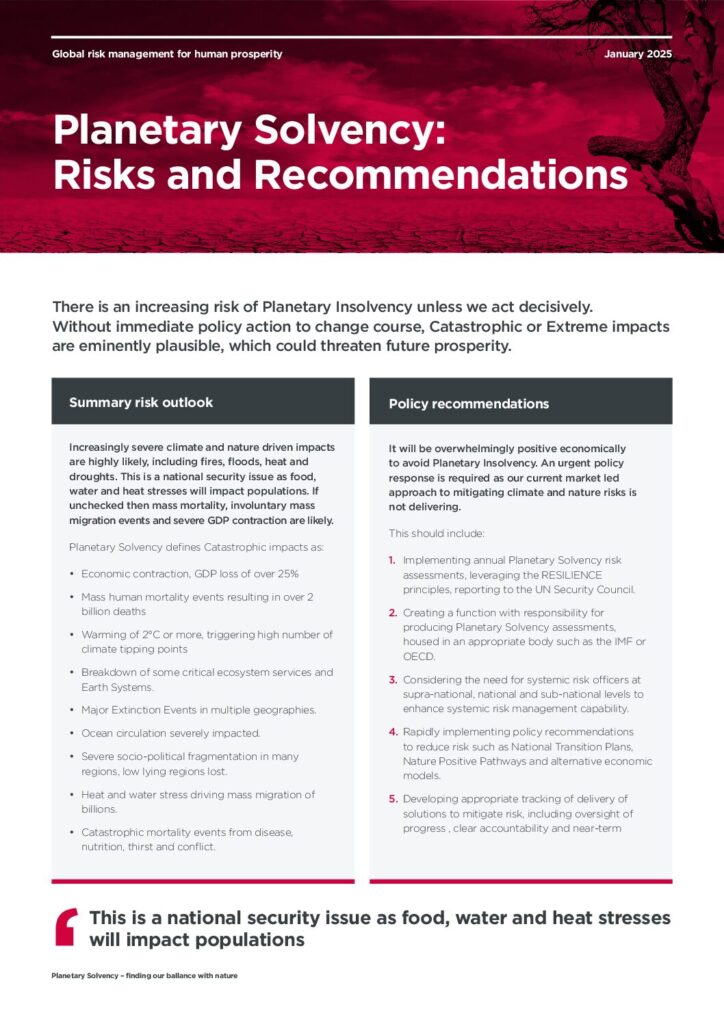
The evidence is clear: climate change is rapidly accelerating, and the costs — both economic and human — are growing exponentially. The future demands decisive and immediate action to curb greenhouse gas emissions and prevent further environmental and societal collapse. Our updated climate model, now integrating complex social-ecological factors, shows that global temperatures could rise by up to 9°C within this century. This kind of warming could bring us dangerously close to the “wet-bulb” threshold, where heat and humidity exceed the human body’s ability to cool itself, leading to fatal consequences.

From the album “Longview” by Daniel

The Human Induced Climate Change Experiment

MegaEpix Enormous