bookmark_borderPhone Home

LYRICS
You better contact home, mister
’cause you’re about to see
In the combat zone, mister
Going down in history
Going down in His-story

Oh, it’s been so long, long, long
So very, very long
Always have some
Oh, there really is no doubt
We never go without
Always have some

Phone-Home.mp3 (unplugged to save energy)

Chords: E G / G F# E / E D# D D5 D#5 E5 / G F# D5 E5 / Second Verse E A
Instrumentation: Vocals, Takamine Acoustic Guitar
Written and recorded at Lake Wynonah, Pennsylvania

ABOUT THE SONG
This song serves as a powerful commentary on the destructive consequences of mass consumption and its contribution to climate change.

The opening lines, “You better contact home, mister, ’cause you’re about to see,” suggest a warning to the listener about the imminent consequences of their actions. The reference to “the combat zone” implies that the battle against climate change is underway and that individuals are directly involved, whether they realize it or not.

The repetition of “Going down in history, going down in His-story” emphasizes the significance of the moment and the lasting impact of humanity’s actions on the planet. It suggests that the choices we make today will shape the narrative of history, both in human terms and in the broader context of the Earth’s story.

4D Music: Songs About Science

A song about The Human Induced Climate Change Experiment

bookmark_borderNine Dominoes (Know No-No’s)

LYRICS
(Verse 1)
Under the guise of needy thirst
We lined them up, unaware of the worst
Greenland’s ice sheet, once mighty and tall
Collapsed under pressure, the first to fall

(Chorus)
Nine dominoes, each one a plight
As they topple down, into the night
From polar ice to forest green
The Domino Effect, a sight unseen
Dominoes know no-no’s
Dominoes

(Verse 2)
West Antarctica, with a deafening sound
Followed suit, as the ice crumbled down
Labrador-Irminger in demise
Convection collapsed, under warming skies

(Chorus)
Nine dominoes, each one a plight
As they topple down, into the night
From polar ice to forest green
The Domino Effect, a sight unseen
Dominoes know no-no’s
Dominoes

(Bridge)
East Antarctic Subglacial Basins, hidden deep below
Their collapse adds to the relentless flow
Arctic winter sea ice, once thick and vast
Now collapses lapses, lost to the past

(Verse 3)
East Antarctic Ice Sheet, once thought secure
Now joins the ranks of those no longer pure
Amazon Rainforest, lungs of the Earth
Dies back in silence, its value of worth

(Chorus)
Nine dominoes, each one a plight
As they topple down, into the night
From polar ice to forest green
The Domino Effect, a sight unseen
Dominoes know no-no’s
Dominoes

(Outro)
Boreal permafrost, locked in icy embrace
Now melts away, leaving barren space
Atlantic Meridional Overturning Circulation
The final blow, you know domino
As it collapses, the Domino Effect, we know

(Chorus)
Nine dominoes, each one a plight
As they topple down, into the night
From polar ice to forest green
The Domino Effect, a sight unseen.
Dominoes know no-no’s
Dominoes

Chords: F Bb / F / Ab Eb Bb / Ab Eb Bb F / Db F / Db C7 / F
Instrumentation: Vocals, Takamine Acoustic Guitar, Kurzweil Electric Piano, Percussion
Written and recorded at Lake Wynonah, Pennsylvania

ABOUT THE SCIENCE
Tipping points are Critical Milestones that directly impact the rate of acceleration in climate change by multiplying the number and intensity of feedback loops. Identifying and understanding these tipping points is crucial for climate science and policymaking. Crossing multiple tipping points could lead to a domino effect, resulting in a much more rapid and severe climate change than currently projected.

A look at nine (9) of the multiple tipping points that are in play during 2024. The first dominoes have fallen and will continue to knock down more tiles with each escalating step. The crossing of these nine climate tipping points represents a critical threshold in the Earth’s climate system, with potentially irreversible consequences for global ecosystems and human societies:

  1. Greenland Ice Sheet Collapse: The melting of the Greenland Ice Sheet has accelerated in recent years, leading to increased rates of ice loss and sea level rise. As glaciers retreat and ice shelves collapse, vast quantities of freshwater enter the ocean, disrupting marine ecosystems and contributing to global sea level rise.
  2. West Antarctic Ice Sheet Collapse: Similar to Greenland, the West Antarctic Ice Sheet is experiencing rapid melting and destabilization. The collapse of this ice sheet has the potential to raise sea levels by several meters, inundating coastal areas and triggering widespread impacts on infrastructure, agriculture, and human populations.
  3. Labrador-Irminger Seas/SPG Convection Collapse: The collapse of convection in the Labrador-Irminger Seas, part of the North Atlantic Ocean, could disrupt the Atlantic Meridional Overturning Circulation (AMOC). This circulation pattern plays a crucial role in regulating global climate and ocean circulation, influencing weather patterns and heat distribution worldwide.
  4. East Antarctic Subglacial Basins Collapse: The East Antarctic Ice Sheet contains vast quantities of ice, much of which is grounded below sea level. The collapse of subglacial basins in East Antarctica could lead to rapid ice loss and contribute to sea level rise, with potentially far-reaching consequences for coastal regions and global climate stability.
  5. Arctic Winter Sea Ice Collapse: Arctic sea ice has been declining rapidly in extent and thickness due to rising temperatures. The loss of winter sea ice in the Arctic not only accelerates regional warming but also affects global weather patterns, ocean circulation, and biodiversity in the Arctic ecosystem.
  6. East Antarctic Ice Sheet Collapse: While traditionally considered more stable than its western counterpart, the East Antarctic Ice Sheet is also vulnerable to collapse under continued warming. The disintegration of ice shelves and glaciers in East Antarctica could significantly contribute to sea level rise and alter ocean circulation patterns.
  7. Amazon Rainforest Dieback: Deforestation, drought, and climate change threaten the resilience of the Amazon Rainforest, the world’s largest tropical rainforest. The dieback of the Amazon could result in decreased rainfall, increased carbon emissions, and loss of biodiversity, impacting regional and global climate systems.
  8. Boreal Permafrost Collapse: Permafrost in the northern regions of the globe contains vast stores of carbon in the form of frozen organic matter. As permafrost thaws due to rising temperatures, it releases greenhouse gases such as methane and carbon dioxide, further exacerbating climate change and creating a feedback loop of increased warming.
  9. Atlantic Meridional Overturning Circulation Collapse: The collapse of the AMOC, driven by changes in ocean temperature and salinity, could have profound consequences for global climate stability. Disruption of this circulation pattern could lead to abrupt shifts in weather patterns, including changes in temperature, precipitation, and ocean currents, with far-reaching impacts on ecosystems and human societies.

The crossing of these tipping points underscores the urgent need for decisive action to mitigate climate change and adapt to its impacts. Without concerted efforts to reduce greenhouse gas emissions and protect vulnerable ecosystems, the consequences of these tipping points could pose significant challenges to the well-being of present and future generations.

4D Music: Songs About Science

A song about The Human Induced Climate Change Experiment

bookmark_borderUntil the Dawn

LYRICS
(Verse 1)
Autumn whispers of a world unbound,
Where ice sheets crumble, no solace found.
Greenland’s tears, West Antarctica’s cries,
As melting shores meet relentless skies.

(Chorus)
What will become of our habitat’s plight?
As boiling tides rise, eclipsing the night.
Violent rain pounds, carving new streams,
As Earth’s fever rises, in feverish dreams.

(Verse 2)
Copernicus speaks of mind-bending heat,
As nations tremble, beneath nature’s beat.
Assets crumble, harvests fade away,
In the relentless heat of a changing day.
(Chorus)
(Bridge)
A 1.5-degree leap, a world ablaze,
Urgency screams, in a desperate haze. (World ablaze)
As violent rain reigns, across the land, (Understand?)
The future’s cast by an unforgiving hand. (ComprehEND?)

(Verse 3)
Hillsides crumble, shorelines drown in dread,
As violent rain reigns, upon our heads.
Deserts flood, in defiance of sky,
As the world grapples with a climactic goodbye.
(Chorus)
(Outro)
In the wake of chaos, and uncertainty’s stare,
We must unite, in a world laid bare.
As the seas rise, and the storms rage on,
We’ll face the challenges, until the dawn.

Chords: Em Am / Em Am C B7 Em / C D Em / D Em Em/9; Part II Heavy Metal / Rock Ballad @ 116 Beats Per Minute
Instrumentation: Vocals (TC-Helicon VOICELIVE and MiniNova Vocorder), Ibanez Acoustic Guitar (AW54CE), Ibanez Electric RG-270 (Vox ToneLab and Boss Digital Delay), Fender Jazz Bass (Boss Digital Delay), Keyboards (Korg PS60, Casio WK-3500, Yamaha PSR-740, MiniNova, MicroKorg)

ABOUT THE SONG
The above lyrics are a collaboration with ChatGBT. The song was composed using the information under “ABOUT THE SCIENCE” that was written by Daniel Brouse and Sidd Mukherjee.

ABOUT THE SCIENCE
By the Autumn of 2023, it had become evident the West Antarctic and Greenland ice sheets will completely melt. The process is irreversible and inevitable. What can Earthlings expect to happen to their habitat?

The most rapid sea level rise.

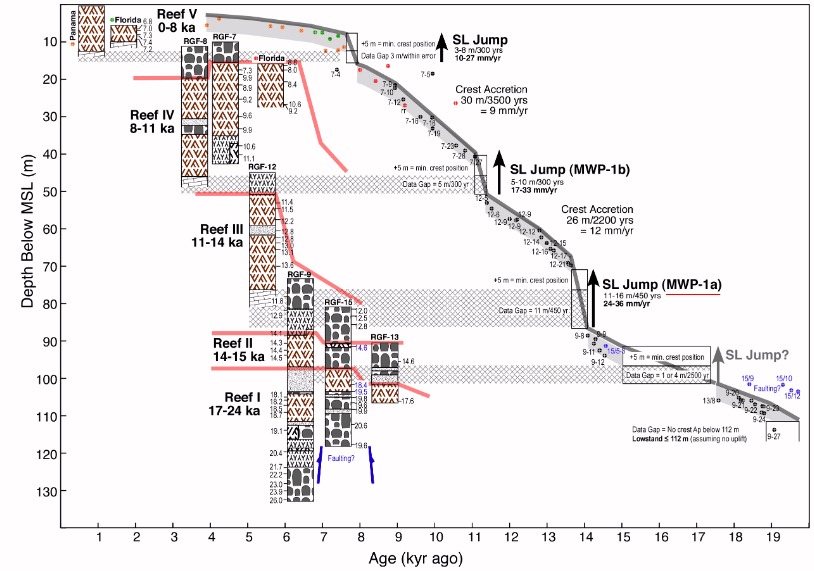
In The Reign of Violent Rain, Sidd said, “Now I am thinking the violent rain will be a bigger problem before we die… still thinking it through. In the long run, yes, sea level rise will hit big. If you look at the history, it is episodic, and in the fast bits it can go up 3 feet every twenty years for five hundred years (See MWP-1A in fig. 3, supplement). But, the rain intensity is increasing faster today, and drainage cannot cope, whether in the city or out, culverts and such put in over the last hundred years cannot handle. So, I am paying a lot of attention to terrain and drainage far inland from the seacoast (like Ohio.)

In the paper, Sea level and global ice volumes from the Last Glacial Maximum to the Holocene, Kurt Lambeck states, “The major cause of sea-level change during ice ages is the exchange of water between ice and ocean and the planet’s dynamic response to the changing surface load.”

On November 20, 2023, the UN’s Emission Gap Report found even if countries carried out their current emissions-reduction pledges, the world would likely continuously exceed +3C degrees of warming this century. Later that day, the International Cryosphere Climate Initiative released State of the Cryosphere Report 2023 saying, “Two degrees is too high. Our message — the message of the Cryosphere — is that this insanity cannot and must not continue. The melting point of ice pays no attention to rhetoric, only to our actions.”

What does this mean about our current human induced climate change?
1) We should expect to see rising sea levels.
2) Approximately half of the current sea level rise is due to thermal expansion. As water gets warmer, it expands. NASA says, “About half of the measured global sea level rise on Earth is from warming waters and thermal expansion.”
3) There is a very complex set of climate systems impacted by sea level rise. The shape of the Earth is changing and speeding up as ice from the poles melts and is drawn toward the equator through centrifugal and gravitational forces, as well as, glacial isostatic adjustment. A study published in Geophysical Research Letters of the American Geophysical Union suggests that global warming has led to significant melting of glaciers due to which our planet’s axis of rotation has been moving faster since the 1990s.

All of this has a great impact on our weather. The rain intensity is increasing faster today than ever known. The cool water from the melting ice at the poles is being drawn toward the center of the Earth and getting warmed to record high temperatures. The warm, moist air is circulating and moving over land. These changes in climate systems will cause other areas to experience unprecedented drought. The Amazon River and the Panama Canal recorded their lowest water levels on record during 2023.

What do we expect to happen?
The Long Run
Long run sea level rise New Jersey Coast

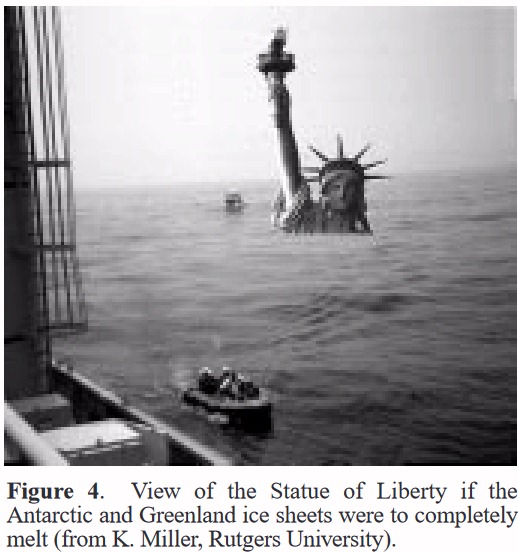
We expect sea level rise will total about 270 feet over the next several millennia. In 1998, the State of New Jersey published Sea Level Rise in New Jersey with a depiction of the Statue of Liberty with 270 feet in sea level rise.

In the last melting of the glacial maximum, the first 500 years saw a “pulse” of high rate sea level rise of about 500 years duration resulting in about a 66 foot rise in sea levels.

A high rate of sea-level rise starting at ∼14.5 ka BP of ∼500 y duration. The onset occurs at the start of the Bølling−Allerød warm period. Its duration could be <500 y because of uncertainties in chronology, and the globally averaged rise in sea level of ∼20 m occurs at a rate of ∼40 mm⋅y−1 or greater. This pulse, MWP-1A, has been identified separately in the records of Barbados, Sunda , and Tahiti. Spatial variation in its amplitude can be expected because of the planet’s elastic and gravitational response to rapid unloading of ice in either or both of the two hemispheres with, based on the ice−earth models used here, model-predicted values ranging from ∼14 m for Barbados to ∼20 m for Tahiti. This compares with observational values of ∼15–20 m for Barbados and 12–22 m for Tahiti. Observational uncertainties remain large, including differences in the timing of this event as recorded at the different localities, and it is not possible from this evidence to ascertain the relative importance of the contribution of the two hemispheres to MWP-1A.

We expect to see a similar pattern in the long run.

Our estimate of 270 feet is based on “the safe” elevation to live — high-tides, waves, coastal flooding, storm surge, grade of shoreline, etc. would make the lowest elevations for living space to be at least 270 feet above pre-industrial sea levels. This would be the minimum elevation. Personally, I would not want to live that low. As the water submerges sewage treatment plants, landfills, chickens, cows, and all sorts of other bio-hazards, the waters will become toxic. In addition, much of the land will experience salinization making it unfit for plant life. Another concern for elevations under 800 feet is living on an island. Many locations at lower elevations will become isolated. Living on an island has many problems including fresh water, food, shelter, and healthcare. Security from pirates pilfering, raping, and plundering will likely be the overriding concern. Of course, I don’t expect that to happen for millennia, but I hope government planners do plan for it now. If you look at Florida as an example, parts of the coastline have seen sea levels rise over 14-20 feet in the last decade. Although the storm surge was only for hours, you wouldn’t want to live there during those hours. Not to mention, the frequency of these extreme weather events will rise exponentially. Thus, our recommendation to evacuate Florida now (i.e. Managed Retreat). The billions of dollars spent to rebuild after Hurricane Ida will all be for naught. Allowing building there will needlessly endanger property and lives. Parts of the world have already seen storm surges of 40 feet. I expect most North American coastlines will see sea levels rise, if only temporarily, by 20-40 feet this century. As far as long run sea level rise, much will depend on location, gravity, isostatic adjustment, and thermal expansion. If the ocean temperatures get warm enough (thermal expansion), parts of the world may see sea levels rise to 270 feet for long periods of times. Other parts of the world, like Greenland, may actually see sea levels decline. In any event, the Earth crossed tipping points this decade which make extreme sea level rise inevitable and irreversible in our lifetimes. Planners should plan on it.

Sidd reiterated, “That 270 feet will take a long time. I would be more careful about the violent rain than the ice melt.”

INTERPRETATION OF SCIENCE AND SONG
This song paints a vivid picture of the devastating effects of climate change, using powerful imagery and emotive language to convey the urgency of the crisis.

In the opening verse, the imagery of autumn whispers and crumbling ice sheets sets the tone for a world in turmoil. The tears of Greenland and West Antarctica symbolize the profound grief of the natural world as it faces destruction at the hands of humanity.

The chorus poses a haunting question about the fate of our habitat, as boiling tides rise and violent rain carves new streams. The repetition of “Earth’s fever rises” emphasizes the escalating nature of the crisis and the urgent need for action.

Verse 2 introduces the scientific perspective, with references to Copernicus and the mind-bending heat felt around the world. The imagery of crumbling assets and fading harvests highlights the real-world consequences of climate change on communities and economies.

The bridge amplifies the sense of urgency, describing a world ablaze with a 1.5-degree leap in temperature. The imagery of violent rain reigning across the land underscores the destructive power of extreme weather events driven by climate change.

Verse 3 continues the theme of destruction, with hillsides crumbling and shorelines drowning under the onslaught of violent rain. The defiance of deserts flooding speaks to the unpredictability and chaos unleashed by climate change.

The outro leaves listeners with a sense of determination in the face of uncertainty, urging unity in the face of the challenges ahead. The imagery of rising seas and raging storms underscores the magnitude of the crisis, while also hinting at the resilience of humanity in the face of adversity.

Overall, this song serves as a powerful reminder of the urgent need for action on climate change, drawing on both scientific knowledge and emotive storytelling to convey the gravity of the situation.

4D Music: Songs About Science

A song about The Human Induced Climate Change Experiment

bookmark_borderRaindrops on the Window

LYRICS
Verse 1
Raindrops on the window
Make me wonder
Will Mother be a widow
As men rape and plunder

Chorus:
Teardrops from the sky
Asking why
Watching her children cry
Cry, Mother, cry

Verse 2
Rain upon the windowpane
Reflecting on the pain
Mother’s distress, can’t contain
Life’s value, what’s to gain?
(Chorus)

Bridge:
Raindrops on the window
Prompt me to ponder
From extreme wet to extreme dry
Will we sink, will we fry?
Cry, Mother, cry

Verse 3
Rain on the rooftop’s beat
Growing in repeat
Mother, halt this endless feat
Intensifying with each heartbeat
(Chorus)
Outro:
Raindrops on the window
Lead me to reflect
Will we come to comprehend
Tipping points’ effect?
… or… Cry, Mother, cry?

Chords: C D G / G F#m Em / Em F#m G / C Em / C B7 Em; Part II Ambient / Rock Ballad @ 66 Beats Per Minute
Instrumentation: Vocals (TC-Helicon VOICELIVE and MiniNova Vocorder), Ibanez Acoustic Guitar (AW54CE), Keyboards (Korg PS60, Casio WK-3500, Yamaha PSR-740, MiniNova, MicroKorg)

ABOUT THE SONG
This song serves as a poignant commentary on the devastating impact of climate change, portraying the Earth as a grieving mother witnessing the destruction wrought by humanity’s actions.

In the opening verse, raindrops on the window symbolize the tears of Mother Earth as she contemplates the uncertain fate of her inhabitants. The imagery of Mother potentially becoming a widow highlights the threat posed by human exploitation and disregard for the environment.

The chorus reinforces the theme of sorrow and despair, as the Earth’s tears fall from the sky and her children suffer. It evokes a sense of helplessness in the face of escalating climate crisis.

Verse 2 delves deeper into the emotional turmoil experienced by Mother Earth, as she reflects on the pain caused by human greed and exploitation. The questioning of life’s value underscores the destructive consequences of prioritizing profit over the well-being of the planet.

The bridge prompts introspection and contemplation, as raindrops on the window lead the narrator to ponder the extremes of climate change and the potential catastrophic outcomes for humanity.

Verse 3 continues the metaphor of rain as a reflection of Mother Earth’s distress, emphasizing the intensifying impact of climate change with each passing moment. The urgent plea for Mother to halt this destruction highlights the need for immediate action to mitigate the effects of climate change.

The outro leaves listeners with a sense of introspection and uncertainty, as raindrops on the window prompt reflection on humanity’s role in exacerbating the climate crisis and the need to comprehend the tipping points that could lead to irreversible damage.

Overall, this song serves as a powerful call to action, urging listeners to acknowledge the profound impact of climate change and take responsibility for preserving the planet for future generations.

ABOUT THE SCIENCE
Human induced climate change is an exponential component of an unordered system (chaos theory). That means global warming is accelerating at a rapid rate in a complex way.

“We are not saying that the Earth’s temperature is just going to rise. In general, as energy is added to a system, the fluctuations in the system increase. So, we expect more storms, more droughts, more wildfires, more floods, more fluctuations of all kinds. What we are saying is that weather conditions will become more volatile due to the impact of humans,” said Mukherjee and Brouse. (2004)

Climate change is primarily driven by the escalation of thermal energy affecting biogeophysical and socio-economic systems. While biogeophysical factors can be studied using math, physics, and historical records, socio-economic systems pose greater challenges due to the unpredictable consequences of human behavior and inexplicable consumer choices, exacerbating tipping points and feedback loops.

The Age of Loss and Damage is a new way of thinking about economics by combining economics, climate science, statistics, and physics. Until now, economic models have been unfit to capture the full extent of climate damage. Traditionally, “integrated assessment models” (IAMs) were used to forecast “shock” events. IAMs use “quadratic function” to calculate GDP losses by squaring the temperature change, yet ignore other methods (such as the exponential function) that are better suited for rapid change. “Climate change is fundamentally different to other shocks because once it has hit, it doesn’t go away,” said Thierry Philipponnat, author of a report by Finance Watch, a Brussels-based public interest NGO on financial issues. “And if the fundamental assumption is flawed, all the rest makes little sense — if any.”

Unfortunately, even scientists are failing to see, let alone forecast, the rapid acceleration in climate change. Due to their complexity, the impacts of the Domino Effect are being underestimated. The Domino Effect is also known as “tipping cascades” in climate science. Cascading impacts in relation to tipping points include cascading impacts across biogeophysical and social systems. Until recently, scientist have been drastically underestimating the social-ecological systems. The University of Exeter reports, “There is a notable lack of topic clusters dedicated to how humans will be impacted by climate-related tipping cascades.” 2023 was a wake-up call to social-ecological scientists. The record breaking physical and economical impacts could be felt worldwide. The record warming year was seventeen times greater than any other record increase in history. Typically, record-breaking temperatures are measured in 100th degrees. There were also 200 consecutive days of record-breaking temperatures. Usually, there are one or two record breaking days in a row. The increase in intensity and frequency of record-breaking heat requires forecasting models to be recast.

As flow velocities go up due to climate change, force and damage scale as square of the velocities.

How Do Pollution and Climate Change Kill People?

Pollution and climate change can have severe health impacts, leading to the loss of lives through various direct and indirect mechanisms. An overview of how pollution and climate change contribute to adverse health outcomes:

Pollution:

  1. Air Pollution:
    • Respiratory Issues: Inhalation of air pollutants, such as particulate matter (PM), nitrogen dioxide (NO2), sulfur dioxide (SO2), and ozone (O3), can cause or exacerbate respiratory conditions like asthma, bronchitis, and chronic obstructive pulmonary disease (COPD).
    • Cardiovascular Effects: Air pollution is linked to cardiovascular diseases, including heart attacks and strokes. Fine particulate matter can enter the bloodstream, affecting the cardiovascular system.
  2. Water Pollution:
    • Waterborne Diseases: Contaminated water sources can harbor pathogens, leading to waterborne diseases like cholera, dysentery, and gastrointestinal infections.
    • Chemical Exposure: Industrial pollutants, agricultural runoff, and untreated sewage can introduce harmful chemicals into water supplies, posing long-term health risks.
  3. Soil Pollution:
    • Food Contamination: Polluted soil can lead to the contamination of crops with heavy metals, pesticides, and other harmful substances. Consuming contaminated food can result in health issues, including neurological problems and cancer.
  4. Noise Pollution:
    • Stress and Mental Health: Chronic exposure to high levels of noise can contribute to stress, anxiety, and sleep disturbances. Long-term stress can impact mental health and, indirectly, physical well-being.

Climate Change:

  1. Extreme Heat:
    • Heat-Related Illnesses: Increasing temperatures, especially during heatwaves, can cause heat-related illnesses such as heat exhaustion and heatstroke, leading to organ failure and death.
  2. Extreme Weather Events:
    • Injuries and Fatalities: Hurricanes, floods, wildfires, and other extreme weather events associated with climate change can cause injuries and fatalities directly. These events may also displace populations, leading to increased vulnerability.
  3. Vector-Borne and Infectious Diseases:
    • Changing Disease Patterns: Climate change can alter the distribution and prevalence of vector-borne diseases like malaria, dengue, and Lyme disease. These diseases can lead to severe health complications and death. Climate change can influence the geographic range and seasonality of infectious diseases, potentially leading to the emergence of new health threats. “The magnitude of the vulnerability when you think about one or two diseases — okay, sure, we can deal with that,” professor Camilo Mora said. “But when you’re talking about 58% of the diseases, and 58% of those diseases can be affected or triggered in 1,000 different ways. So that, to me, was also revealing of the fact that we’re not going to be able to adapt to climate change.”
  4. Air Quality Impacts:
    • Worsening Respiratory Conditions: Changes in climate patterns can affect air quality, contributing to increased respiratory issues and exacerbating existing health conditions.
  5. Food and Water Scarcity:
    • Malnutrition and Dehydration: Climate change can impact agricultural productivity and water availability. This may lead to food and water scarcity, causing malnutrition, dehydration, and related health problems.
  6. Mental Health Impact:
    • Psychological Stress: The environmental changes and uncertainties associated with climate change can contribute to mental health issues, including anxiety, depression, and post-traumatic stress disorder (PTSD). Almost all survivors of climate-related disasters suffer from mental distress experiencing PTSD. Of those who have not experienced climate disasters, over two-thirds of U.S. adults (68%) report having climate change anxiety.

It’s important to note that vulnerable populations, such as the elderly, children, and those with pre-existing health conditions, are often disproportionately affected by the health impacts of pollution and climate change. Additionally, global efforts to mitigate these impacts and transition to more sustainable practices are crucial for protecting human health and well-being.

* Our climate model employs chaos theory to comprehensively consider human impacts and projects a potential global average temperature increase of 9℃ above pre-industrial levels.

What Can I Do?
There are numerous actions you can take to contribute to saving the planet. Each person bears the responsibility to minimize pollution, discontinue the use of fossil fuels, reduce consumption, and foster a culture of love and care. Be a butterfly and affect the world. The Butterfly Effect illustrates that a small change in one area can lead to significant alterations in conditions anywhere on the globe. Hence, the frequently heard statement that a butterfly in China can cause a hurricane in the Atlantic.
Here is a list of additional actions you can take.
4D Music: Songs About Science

A song about The Human Induced Climate Change Experiment

bookmark_borderUrgency Screams!

LYRICS
(Verse 1)
The era of warming ends, boiling tides arise,
The UN’s warning, spoken with sighs.
Global temperatures soaring, records fall,
As climate change’s grip tightens, on us all.

(Chorus)
What will the “End of Times” look like?
As feedback loops spin, tipping points strike.
Plants fade, carbon sinks vanish from sight,
As Earth’s fever rises, into the night.

(Verse 2)
Copernicus speaks of mind-blowing heat,
September’s record shattered, under our feet.
Assets crumble, harvests wither away,
As we face the truth of our reckless play.
(Chorus)
(Bridge)
A 1.5-degree leap, in Earth’s embrace,
Urgency screams, in every race.
Violent rain pounds, carving new streams,
As landscapes shift, in chaotic dreams.

(Verse 3)
Hillsides crumble, shorelines disappear,
As the reign of violent rain draws near.
Deserts flood, as if to defy,
Even there, climate’s relentless cry.
(Chorus)
(Outro)
In this world of chaos, and despair,
Survival’s grip, hangs in the air.
As we face a future, uncertain and dire,
We must unite, before the fire.
Aspire higher!
What will the “End of Times” look like?
Aspire higher!

Chords: Em G D Em / Em C B7 Em / Em/7/7(11) jam / Em G C Em; Part II Hard Rock / Digi-Rock @ 120 Beats Per Minute
Instrumentation: Vocals (TC-Helicon VOICELIVE and MiniNova Vocorder), Ibanez Acoustic Guitar (AW54CE), Ibanez Electric RG-270 (Vox ToneLab and Boss Digital Delay), Fender Jazz Bass (Boss Digital Delay), Keyboards (Korg PS60, Casio WK-3500, Yamaha PSR-740, MiniNova, MicroKorg)

ABOUT THE SONG
The above lyrics are a collaboration with ChatGBT. The song was composed using the information under “ABOUT THE SCIENCE” that was written by Daniel Brouse and Sidd Mukherjee.

ABOUT THE SCIENCE

What will the “End of Times” look like?

“The era of global warming has ended and the era of ‘global boiling’ has arrived. Climate change is here. It is terrifying. And it is just the beginning”, UN secretary general, António Guterres, said after scientists confirmed July 2023 was on track to be the world’s hottest month on record.

Climate breakdown, the most alarming development, occurs when feedback loops are triggered, and tipping points are crossed. This leads to the extinction of plants, the disappearance of carbon sinks, and an exponential acceleration of Earth’s temperature. The consequences are dire, with the potential disappearance of vital resources like food, fresh water, and breathable air, likely followed by catastrophic impacts on human survival.

In October 2023, the European Space Agency’s Copernicus Climate Change Service reported that the average temperature for September hit 16.38 degrees Celsius, surpassing the previous record set in September 2020 by 0.5 degrees Celsius. Copernicus Director Carlo Buontempo described it as “mind-blowing” and emphasized the devastating impacts on people and ecosystems, citing destruction of assets, infrastructure, and harvests. “What we are observing, are not only new extremes but the persistence of these record-breaking conditions, and the impacts these have on both people and planet, are a clear consequence of the warming of the climate system,” Director Buontempo said.

By January 2024, the Earth had experienced an alarming annual average temperature increase of over 1.5 degrees Celsius. This temperature rise continued in February 2024, with a monthly average reaching 1.77 degrees above pre-industrial levels, occurring centuries earlier than previously predicted. The urgency to address and combat climate change has never been more critical.

Sidd reiterated, “That 270 feet will take a long time. I would be more careful about the violent rain than the ice melt.” Expect to see increasing intensity and/or frequency in a wide variety of violent rain events including: downpours, flooding, hurricanes, cyclones, monsoons, coastal flooding, storm surges, lightning and wildfires, hail, extreme wind, and concurrent extremes. The reign of violent rain has already begun. More hillsides and shorelines are collapsing. Atmospheric rivers are dramatically increasing flash flooding in the Northeastern USA. Worldwide, stormwater systems are becoming overwhelmed. Ironically, the streets of Abu Dhabi and Dubai, UAE, flooded days before the COP28 Climate Conference. Nowhere is safe from violent rain, not even in the desert preparing for a UN meeting on the climate crisis. As a result of increasing violent rain, new drainage culverts are forming. Eventually, the culverts will transform into recurring streams, carving new canyons, creating new landscapes and islands. In addition, extreme weather events are increasing the frequency of lightning storms and wildfires. After wildfires, rain deluges cause massive landslides transforming the topography. At the same time as the violent rain makes its way to the sea, the sea is rising to meet the violent rain.

In the article “Violent Rain and the Substrate,” Greg Laden, coastal archaeologist, said, “With a little erosion, the Hudson, Lake Champlain, and the St. Lawrence could become contiguous, so New England becomes an Island.”

For any remaining humans, fresh air, water, food, and sunlight will all be problematic; however, your most severe concern will likely be security. Those with supplies will be at high risk of being raped and looted. Good luck!

* Our climate model employs chaos theory to comprehensively consider human impacts and projects a potential global average temperature increase of 9℃ above pre-industrial levels.

What Can I Do?
There are numerous actions you can take to contribute to saving the planet. Each person bears the responsibility to minimize pollution, discontinue the use of fossil fuels, reduce consumption, and foster a culture of love and care. Be a butterfly and affect the world. The Butterfly Effect illustrates that a small change in one area can lead to significant alterations in conditions anywhere on the globe. Hence, the frequently heard statement that a butterfly in China can cause a hurricane in the Atlantic.

LYRIC AND SCIENCE INTERPRETATION
ChatGBT’s interpretation of “our” lyrics:
This song vividly portrays the escalating crisis of climate change, evoking a sense of urgency and impending catastrophe.

The opening verse sets the scene with imagery of boiling tides and soaring temperatures, emphasizing the gravity of the situation as the Earth’s climate reaches a tipping point. The UN’s warning underscores the seriousness of the issue, as global records are shattered and the effects of climate change tighten their grip on humanity.

The chorus poses a haunting question about the “End of Times,” highlighting the devastating consequences of unchecked climate change. It paints a grim picture of disappearing ecosystems and escalating temperatures, as Earth’s fever continues to rise.

The second verse brings attention to the scientific evidence behind climate change, referencing reports from organizations like Copernicus and the dire impact on agriculture and infrastructure. It emphasizes the recklessness of human actions and the need to confront the truth of our collective responsibility.

The bridge intensifies the urgency of the message, emphasizing the rapid acceleration of climate change and the destructive power of extreme weather events. It paints a picture of landscapes transforming in the face of chaotic environmental shifts.

The third verse delves into the immediate impacts of climate change, with imagery of crumbling hillsides and disappearing shorelines. It highlights the global reach of the crisis, even affecting traditionally arid regions like deserts.

The chorus repeats, driving home the message of impending catastrophe and the urgent need for action.

The outro leaves listeners with a sense of uncertainty and desperation, emphasizing the need for unity in the face of existential threats posed by climate change. It urges collective action before it’s too late, leaving an echo of hope amidst the chaos.

What you can do today. How to save the planet.

4D Music: Songs About Science

A song about The Human Induced Climate Change Experiment

bookmark_borderTo Reach the End

LYRICS
(Verse 1)
Pushing and shoving, we race to the end,
But what message do we hope to send?
In our pursuit of more, we’ve lost our way,
Me, my, mine, dominating the fray.
(Chorus)
Neglecting reason, rejecting rhyme,
We’re running out of space, running out of time.
The Earth cries out, her voice a plea,
To halt our madness and set her free.
(Verse 2)
Consuming voraciously, without a thought,
The consequences of our actions, often forgot.
Nature’s rhythms disrupted by our greed,
As we sow the seeds of our own misdeed.
(Chorus)
(Bridge)
But amidst the chaos, a glimmer of light,
A chance to change our course, to make it right.
Let’s pause, let’s listen, let’s realign,
And weave a future where all can shine.
(Verse 3)
Together we stand, against the tide,
To protect the Earth, our precious guide.
For in unity lies our greatest strength,
To heal the planet, no matter the length.
(Chorus)
(Outro)
So let’s rewrite the story, let’s change the trend,
And journey together, towards a brighter End.
With compassion and care, let’s mend the line,
And embrace a world with harmonies fine.

Chords: F# E / B D F# B / B F# F# B / D E F# / F# C# B F#; Part Reggae Trip-Hop II @ 90 Beats Per Minute
Instrumentation: Vocals (TC-Helicon VOICELIVE and MiniNova Vocorder), Ibanez Acoustic Guitar (AW54CE), Keyboards (Korg PS60, Casio WK-3500, Yamaha PSR-740, MiniNova, MicroKorg)

ABOUT THE SONG
This song serves as a poignant commentary on humanity’s destructive impact on the environment and the urgent need for collective action to address climate change.

The opening verse paints a picture of a society driven by relentless pursuit of material gain, where individualism reigns supreme and the consequences of our actions are disregarded in favor of short-term gratification.

The chorus highlights the dire situation we find ourselves in, as we neglect reason and continue to exploit the Earth’s resources at an unsustainable rate. The Earth is personified as a sentient being crying out for relief from the damage we have inflicted upon her.

The second verse delves deeper into the destructive nature of human consumption and the disregard for the interconnectedness of all life on Earth. Our greed and disregard for the natural world have disrupted delicate ecosystems and set us on a path of self-destruction.

The bridge offers a glimmer of hope amidst the despair, emphasizing the potential for positive change if we can muster the courage to realign our priorities and work towards a sustainable future where all beings can thrive.

The third verse calls for unity in the face of adversity, recognizing that only by coming together can we hope to protect the planet and heal the damage that has been done. It emphasizes the strength that lies in collective action and the importance of standing up against the forces of destruction.

The outro serves as a rallying cry for action, urging listeners to rewrite the story of our relationship with the planet and embark on a journey towards a brighter future. It emphasizes the need for compassion and care in our interactions with the natural world and calls for a renewed commitment to living in harmony with the Earth.

Overall, this song serves as a powerful reminder of the urgent need for action to address climate change and the importance of collective responsibility in safeguarding the planet for future generations.

ABOUT THE SCIENCE

What will the “End of Times” look like?

“The era of global warming has ended and the era of ‘global boiling’ has arrived. Climate change is here. It is terrifying. And it is just the beginning”, UN secretary general, António Guterres, said after scientists confirmed July 2023 was on track to be the world’s hottest month on record.

In the 1990’s, we wrote a paper on the worst-case scenario entitled, “The Impact of Governance & Globalization on Forecasting (The Tunnel Under Thesis).” The theory predicted that forecasting would become increasingly difficult. “The result — a figurative, as well as, literal tunneling underground.”

Since that time, forecasting has become increasing more difficult. “In general, as energy is added to a system, the fluctuations in the system increase. So, we expect more storms, more droughts, more wildfires, more floods, more fluctuations of all kinds. What we are saying is that weather conditions will become more volatile due to the impact of humans,” said Mukherjee and Brouse. (2004)

In a report published in Nature entitled Over half of known human pathogenic diseases can be aggravated by climate change, data analyst and associate professor in the Department of Geography and Environment at the University of Hawaii Manoa, Camilo Mora, said climate hazards aggravated 58% of all known human pathogens. That is over half of infectious diseases discovered since the end of the Roman Empire. 58% of an authoritative list of infectious diseases documented to have impacted humanity have already been shown to be aggravated by climatic hazards — a finding the researchers found “shocking,” Mora said.

Movement of people and animals caused by climate is one factor. Warming at higher latitudes allowed vectors and pathogens to survive winter is another factor. The report goes on to say, “The human pathogenic diseases and transmission pathways aggravated by climatic hazards are too numerous for comprehensive societal adaptations, highlighting the urgent need to work at the source of the problem: reducing GHG (Greenhouse Gas) emissions.”

This research reveals more evidence that humans will have difficulty adapting to climate change, especially those in developing countries, Mora said. “The magnitude of the vulnerability when you think about one or two diseases — okay, sure, we can deal with that,” he said. “But when you’re talking about 58% of the diseases, and 58% of those diseases can be affected or triggered in 1,000 different ways. So that, to me, was also revealing of the fact that we’re not going to be able to adapt to climate change.”

In 2023, we wrote about having crossed tipping points in the paper, “Climate Change: How Long Is ‘Ever’?“. When we wrote the Tunnel Under Thesis in 1995, we forecast crossing these tipping points would not happen for centuries. We underestimated Man’s ignorance and arrogance. Fossil fuel consumption and greenhouse gas emissions have continued to set record highs. Humans have caused chain-reactions resulting in toppled tipping points, feedback loops, and The Domino Effect.

Events we thought would not happen in our lifetimes are happening now. My last resort emergency plan was to escape to Canada. (I am a dual citizen.) This summer that plan literally went up in smoke. “Beginning in March 2023, and with increased intensity starting in June, Canada has been affected by an ongoing, record-setting series of wildfires.” — Wikipedia

All of my life I have located my office and bedrooms in the uppermost southern exposure (preferably in the tree canopy.) I love sunlight, elevation, trees, fresh air, and wildlife. It is becoming ever more obvious my dreamlife is coming to an end, and I will be forced to tunnel under. For those forward thinkers, think about your poop. Pumping sewage above ground level will be a major problem at all times. In addition, the inability to pump flood water will become deadly during extreme weather events. In July of 2020 NPR reported, “The remnants of Hurricane Ida dropped unprecedented rainfall on several eastern states, killing dozens of people. Eleven of them were Queens residents who died when their basement apartments flooded.” In August of 2022 CNN reported, “Seoul has vowed to move some of the city’s poorest families out of underground and semi-subterranean homes after 13 people were killed in flooding caused by record rainfall this week, sparking public horror and calls for government accountability.” Drowning in your own poop may result for those unprepared.

There will be enough ice melt to raise sea levels 220 feet. We estimate 270 feet to be “the minimum safe” elevation to live. High-tides, waves, coastal flooding, storm surge, grade of shoreline, etc. would make the lowest elevations for living space to be at least 270 feet above pre-industrial sea levels. This would be the minimum elevation. Personally, I would not want to live that low. As the water submerges sewage treatment plants, landfills, chickens, cows, and all sorts of other bio-hazards, the waters will become toxic. In addition, much of the land will experience salinization making it unfit for plant life. Another concern for elevations under 800 feet is living on an island. Many locations at lower elevations will become isolated. Living on an island has many problems including fresh water, food, shelter, and healthcare. Security from pirates pilfering, raping, and plundering will likely be the overriding concern. Of course, I don’t expect that to happen for millennia, but I hope government planners do plan for it now. If you look at Florida as an example, parts of the coastline have seen sea levels rise over 14-20 feet in the last decade. Although the storm surge was only for hours, you wouldn’t want to live there during those hours. Not to mention, the frequency of these extreme weather events will rise exponentially. Thus, our recommendation to evacuate Florida now (i.e. Managed Retreat). The billions of dollars spent to rebuild after Hurricane Ida will all be for naught. Allowing building there will needlessly endanger property and lives. Parts of the world have already seen storm surges of 40 feet. I expect most North American coastlines will see sea levels rise, if only temporarily, by 20-40 feet this century. As far as long run sea level rise, much will depend on location, gravity, isostatic adjustment, and thermal expansion. If the ocean temperatures get warm enough (thermal expansion), parts of the world may see sea levels rise to 270 feet for long periods of times. Other parts of the world, like Greenland, may actually see sea levels decline. In any event, the Earth crossed tipping points this decade which make extreme sea level rise inevitable and irreversible in our lifetimes. Planners should plan on it.

Sidd reiterated, “That 270 feet will take a long time. I would be more careful about the violent rain than the ice melt.” Expect to see increasing intensity and/or frequency in a wide variety of violent rain events including: downpours, flooding, hurricanes, cyclones, monsoons, coastal flooding, storm surges, lightning and wildfires, hail, extreme wind, and concurrent extremes. The reign of violent rain has already begun. More hillsides and shorelines are collapsing. Atmospheric rivers are dramatically increasing flash flooding in the Northeastern USA. Worldwide, stormwater systems are becoming overwhelmed. Ironically, the streets of Abu Dhabi and Dubai, UAE, flooded days before the COP28 Climate Conference. Nowhere is safe from violent rain, not even in the desert preparing for a UN meeting on the climate crisis. As a result of increasing violent rain, new drainage culverts are forming. Eventually, the culverts will transform into recurring streams, carving new canyons, creating new landscapes and islands. In addition, extreme weather events are increasing the frequency of lightning storms and wildfires. After wildfires, rain deluges cause massive landslides transforming the topography. At the same time as the violent rain makes its way to the sea, the sea is rising to meet the violent rain.

In the article “Violent Rain and the Substrate,” Greg Laden, coastal archaeologist, said, “With a little erosion, the Hudson, Lake Champlain, and the St. Lawrence could become contiguous, so New England becomes an Island.”

For any remaining humans, fresh air, water, food, and sunlight will all be problematic; however, your most severe concern will likely be security. Those with supplies will be at high risk of being raped and looted. Good luck!

* Our climate model employs chaos theory to comprehensively consider human impacts and projects a potential global average temperature increase of 9℃ above pre-industrial levels.

What Can I Do?
There are numerous actions you can take to contribute to saving the planet. Each person bears the responsibility to minimize pollution, discontinue the use of fossil fuels, reduce consumption, and foster a culture of love and care. Be a butterfly and affect the world. The Butterfly Effect illustrates that a small change in one area can lead to significant alterations in conditions anywhere on the globe. Hence, the frequently heard statement that a butterfly in China can cause a hurricane in the Atlantic.

Here is a list of additional actions you can take.
4D Music: Songs About Science

A song about The Human Induced Climate Change Experiment

bookmark_borderThe Web We Weave

LYRICS
(Verse 1)
In the whispers of the wind, hear a story untold,
Where chaos reigns supreme, and the future’s on hold.
As the flutter of a butterfly prompts the storm’s fierce roar,
For every action we take, a consequence in store.

(Chorus)
Oh, chaos theory, the web we weave,
A delicate balance, so easy to deceive.
But in our hands, lies a power so strange,
As we dance with chaos, the world starts to change.

(Verse 2)
In the heart of the chaos, a climate in distress,
Human hands shaping storms, pushing nature to regress.
With each carbon footprint, we alter the design,
Igniting raging fires, a warning sign.
(Chorus)
(Bridge)
As the ice caps melt and the oceans rise,
The echoes of our choices, shouldn’t surprise.
But amidst the turmoil, hope’s beacon still gleams,
For in chaos lies the seeds of our dreams.

(Verse 3)
Can we rewrite the script, steer away from the brink?
Embrace the chaos, before we sink.
With every mindful step, a chance to amend,
Heal the wounds we’ve caused, the planet defend.
(Chorus)
(Outro)
In the tapestry of time, where chaos reigns supreme,
Let’s tread with care, nurture the dream.
For in the chaos lies our chance to restore,
A world where harmony reigns forevermore.

Chords: Am D Em Am / Am Em Am / C E A Am7 A/m / A D C A / Em C D; Part Hully Gully Trip-Hop II @ 126 Beats Per Minute
Instrumentation: Vocals (TC-Helicon VOICELIVE and MiniNova Vocorder), Ibanez Acoustic Guitar (AW54CE), Keyboards (Korg PS60, Casio WK-3500, Yamaha PSR-740, MiniNova, MicroKorg)

ABOUT THE SONG
This song beautifully captures the interconnectedness of chaos theory and human-induced climate change, urging listeners to reflect on the consequences of their actions and the power they hold to enact change.

The opening verse sets the stage with vivid imagery, portraying the whispers of the wind as a storyteller revealing the impact of human actions on the world. It introduces the concept of chaos theory, illustrating how small actions can have significant and unpredictable consequences.

The chorus serves as a reflection on the delicate balance of nature and the power humans wield. It highlights the ease with which we can disrupt this balance, but also the potential for positive change if we harness our power responsibly.

The second verse delves deeper into the consequences of human-induced climate change, portraying a planet in distress due to our actions. The mention of carbon footprints and raging fires emphasizes the urgency of the situation and the need for immediate action.

The bridge offers a glimmer of hope amidst the turmoil, emphasizing the potential for positive change and the importance of holding onto that hope in challenging times.

The third verse serves as a call to action, urging listeners to rewrite the narrative and steer away from the brink of disaster. It emphasizes the importance of mindfulness and collective action in healing the planet and defending it for future generations.

The outro brings the song full circle, emphasizing the opportunity within chaos to restore harmony to the world. It encourages listeners to tread carefully and nurture the dream of a world where balance is restored and maintained.

Overall, this song serves as a poignant reminder of the interconnectedness of all life and the responsibility we hold to protect and preserve our planet.

ExperiMental Music: For the most part, this music is written and recorded extemporaneously. Extemporaneous, spontaneous, improvisation, jamming, freestyle, and impromptu music are most closely related to pure chaos. The music and lyrics evolve from the “sensitive initial conditions” similar to “a butterfly flapping its wings in China causing a hurricane in the Atlantic.”

Music as a Universal Language: Music has the power to communicate emotions universally. Certain melodies, harmonies, or rhythms can evoke specific feelings that resonate with people across different cultures and backgrounds.

The Science of Chaos Theory, String Theory, and Music
4D Music stands for four-dimensional music. The concept of the fourth dimension in the context of spacetime comes from the merging of three-dimensional space with the dimension of time into a four-dimensional continuum. This idea is a fundamental component of Einstein’s theory of general relativity. In classical physics, space and time were considered separate entities, with space described by three dimensions (length, width, and height), and time considered as a separate parameter. However, in the early 20th century, Albert Einstein introduced the concept of spacetime, where time is treated as a fourth dimension, and the fabric of the universe is a four-dimensional continuum.

ABOUT THE SCIENCE
Human induced climate change is an exponential component of an unordered system (chaos theory). That means global warming is accelerating at a rapid rate in a complex way.

Global warming is caused by an increase in thermal energy in the climate system. The Earth is a climate system. Many subsystems make up our climate. Chaos theory emphasizes the complexity and nonlinearity of dynamic systems, and this complexity is inherent in the interactions between soil, atmosphere, and oceans in the Earth’s climate system.

Atmospheric circulation together with ocean circulation is how thermal energy is redistributed throughout the world. Chaos theory offers insights into the complex, nonlinear dynamics of climate systems role in the redistribution of thermal energy. The Earth’s climate is a highly complex and dynamic system, influenced by various factors such as ocean currents, atmospheric circulation, and feedback loops.

General Circulation Models for the earth climate are nonlinear and teleconnected. That means a small change in temperature or pressure or humidity in one small area on the globe can cause _large_ changes in conditions _anywhere_ on the globe. This is sometimes called the Butterfly effect. The complexity of these models can lead to chaotic behaviour. Climate science must grapple with these models and extract results in spite of the mathematical difficulties, and there have been remarkable successes in some cases and sad failures in others. Nevertheless we must proceed.

Unintended Consequences and Inexplicable Consumer Behavior
Climate change is primarily driven by the escalation of thermal energy affecting biogeophysical and socio-economic systems. While biogeophysical factors can be studied using math, physics, and historical records, socio-economic systems pose greater challenges due to the unpredictable consequences of human behavior and inexplicable consumer choices, exacerbating tipping points and feedback loops.

Complex Feedback Loops:

Complex feedback loops in climate science refer to interactions between different components of the Earth’s climate system that can amplify or dampen the effects of initial changes, leading to non-linear and often unpredictable outcomes. These feedback loops play a crucial role in shaping the behavior of the climate system and can influence various climate phenomena, including temperature changes, ice melt, and precipitation patterns.

Tipping points are Critical Milestones that directly impact the rate of acceleration in climate change by multiplying the number and intensity of feedback loops. Identifying and understanding these tipping points is crucial for climate science and policymaking. Crossing multiple tipping points could lead to a domino effect, resulting in a much more rapid and severe climate change than currently projected.

Our climate model / experiment employs chaos theory to comprehensively consider human impacts and projects a potential global average temperature increase of 9℃ above pre-industrial levels. Global warming is a consequence of elevated thermal energy in the climate system, which comprises various subsystems. Chaos theory underscores the intricate and nonlinear nature of dynamic systems. Human well-being is compromised above a 1.5-degree temperature rise, rendering much of the Earth uninhabitable. A 9-degree Celsius increase would bring the Earth close to a wet-bulb temperature incapable of sustaining human life.

What Can I Do? There are numerous actions you can take to contribute to saving the planet. Each person bears the responsibility to minimize pollution, discontinue the use of fossil fuels, reduce consumption, and foster a culture of love and care. The Butterfly Effect illustrates that a small change in one area can lead to significant alterations in conditions anywhere on the globe. Hence, the frequently heard statement that a fluttering butterfly in China can cause a hurricane in the Atlantic. Be a butterfly and affect the world.

Here is a list of additional actions you can take.
4D Music: Songs About Science

A song about The Human Induced Climate Change Experiment

bookmark_borderDownfall

LYRICS
Intro: Optimized function leading to destruction.

Eye on the ball
To watch The Fall
Man’s last stand
Try to understand?

Chorus:
Because after all
We’re our downfall
Optimized function
Our destruction

Inexplicable consumption
Bringing on Man’s reduction
Unable to command
Our last stand
(chorus)

The grievous us
So conspicuous
Unwilling to grasp
“Our last gasp”
(chorus)

Focus on the sphere
As the end draws near
Humanity’s plight
Seeking insight

Outro: Optimized function. Push for destruction.

Chords: D Em/9/7 / Em G G Em / D C Em; Part II @ 70 (Casio) & 70 to 140 (Yamaha) Beats Per Minute
Instrumentation: Vocals (TC-Helicon VOICELIVE and MiniNova Vocorder), Ibanez Acoustic Guitar (AW54CE), Fender Jazz Bass (Boss Digital Delay), Keyboards (Korg PS60, Casio WK-3500, Yamaha PSR-740, MiniNova, MicroKorg)

ABOUT THE SONG
The song “Downfall” portrays the human struggle with climate change and its consequences. The refrain “Eye on the ball, to watch The Fall” suggests a sense of impending doom and the need for attention to the situation. “The ball” and “the sphere” serve as metaphors for Earth. The chorus emphasizes the theme of humanity being its own downfall, driven by optimized function leading to destruction.

The lyrics highlight the concept of inexplicable consumption contributing to mankind’s reduction, indicating a recognition of the role of excessive consumption in environmental degradation. Despite this awareness, there’s a portrayal of humanity as unwilling or unable to change its ways, leading to a “last stand” against the consequences of its actions.

The repetition of the chorus reinforces the central message of human responsibility for its own downfall, symbolized by the optimization of function leading to destruction. The closing lines, “Focus on the sphere, as the end draws near, humanity’s plight, seeking insight,” suggest a call for awareness and understanding of the global crisis, even as the threat of calamity looms.

ABOUT THE SCIENCE
Global warming has inflicted irreversible damage on our environment, a consensus echoed by nearly all scientists. Indeed, climate change poses a profound challenge. Our planet is witnessing conditions that increasingly jeopardize human habitation. The critical question now is whether we can adapt swiftly enough. (Year: 1999)

Human-induced climate change is a dynamic component of an intricate and unordered system, as per chaos theory. This implies that global warming is accelerating exponentially in a complex manner. Over the period from 1992 to 2023, we have presented compelling evidence, proposed remedies to mitigate climate change, and amassed valuable information through the engagement of millions with this climate model. Your participation has been invaluable. The incontrovertible data underscores that human-induced climate change is rapidly deteriorating our habitat.

This climate model / experiment employs chaos theory to comprehensively consider human impacts and projects a potential global average temperature increase of 9℃ above pre-industrial levels. Global warming is a consequence of elevated thermal energy in the climate system, which comprises various subsystems. Chaos theory underscores the intricate and nonlinear nature of dynamic systems. Human well-being is compromised above a 1.5-degree temperature rise, rendering much of the Earth uninhabitable. A 9-degree Celsius increase would bring the Earth close to a wet-bulb temperature incapable of sustaining human life.

Anthropogenic climate change is an exponential component of an unordered system (chaos theory). Climate change is primarily driven by the escalation of thermal energy affecting biogeophysical and socio-economic systems. While biogeophysical factors can be studied using math, physics, and historical records, socio-economic systems pose greater challenges due to the unpredictable consequences of human behavior and inexplicable consumer choices, exacerbating tipping points and feedback loops.

What Can I Do? There are numerous actions you can take to contribute to saving the planet. Each person bears the responsibility to minimize pollution, discontinue the use of fossil fuels, reduce consumption, and foster a culture of love and care. The Butterfly Effect illustrates that a small change in one area can lead to significant alterations in conditions anywhere on the globe. Hence, the frequently heard statement that a fluttering butterfly in China can cause a hurricane in the Atlantic. Be a butterfly and affect the world.

Earth’s Current Climate Status

“We’ve entered the Age of Loss and Damage, but we’re just at the start. What we are seeing already just makes you want to cry,” expressed Dr. Christopher Trisos from the University of Cape Town in a recent BBC interview (MP3 Format). He highlighted the inevitability of loss and damage but emphasized that there are significant measures we can take to mitigate it.

In the 20th century, the Earth’s surface temperature averaged 13.9℃. However, in the first weeks of July 2023, the global average temperature surged to 17℃, marking a concerning shift. The question arises: Can humans endure temperatures greater than 3℃? The answer is a grim “probably not long,” as such extremes have never been experienced by humanity before.

September 6, 2023, marked a dire warning from United Nations Secretary-General Antonio Guterres, following the World Meteorological Organization’s report on the hottest Northern Hemisphere summer in human history. Guterres stated, “The dog days of summer are not just barking, they are biting,” emphasizing the severity of the situation.

Climate breakdown, the most alarming development, occurs when feedback loops are triggered, and tipping points are crossed. This leads to the extinction of plants, the disappearance of carbon sinks, and an exponential acceleration of Earth’s temperature. The consequences are dire, with the potential disappearance of vital resources like food, fresh water, and breathable air, likely followed by catastrophic impacts on human survival.

In October 2023, the European Space Agency’s Copernicus Climate Change Service reported that the average temperature for September hit 16.38 degrees Celsius, surpassing the previous record set in September 2020 by 0.5 degrees Celsius. Copernicus Director Carlo Buontempo described it as “mind-blowing” and emphasized the devastating impacts on people and ecosystems, citing destruction of assets, infrastructure, and harvests. “What we are observing, are not only new extremes but the persistence of these record-breaking conditions, and the impacts these have on both people and planet, are a clear consequence of the warming of the climate system,” Director Buontempo said.

By January 2024, the Earth had experienced an alarming annual average temperature increase of over 1.5 degrees Celsius. This temperature rise continued in February 2024, with a monthly average reaching 1.77 degrees above pre-industrial levels, occurring centuries earlier than previously predicted. The urgency to address and combat climate change has never been more critical.

4D Music: Songs About Science

A song about The Human Induced Climate Change Experiment

bookmark_borderInexplicable Consumption (Fast Fashion)

LYRICS
Fast fashion
Consumption passion
AssAssIn
Fashion assassin
Can’t you see
You’re killing me?

Understand subsume
Yet, resume to consume
Appreciate the gravity
Yet, lack the sincerity

Despite the availability
Lack the responsibility
Can’t you see
You’re The End of we?

Disregard for efficiency
Lacking any sanity
Can’t you see
You’ll be the death of me

Ignoring children’s voices
Inefficient choices
From my point-of-view
You’re killing you

Chords: F# / E B F# / F# A B F# / D B / C#7 F#; Part II @ 100 Beats Per Minute
Instrumentation: Vocals (TC-Helicon VOICELIVE and MiniNova Vocorder), Ibanez Acoustic Guitar (AW54CE), Fender Jazz Bass (Boss Digital Delay), Keyboards (Korg PS60, Casio WK-3500, Yamaha PSR-740, MiniNova, MicroKorg)

ABOUT THE SONG
This song, “Inexplicable Consumption,” delves into the destructive impact of human behavior, particularly regarding consumerism, on the environment and ultimately on humanity itself. It critiques the relentless pursuit of fast fashion and material consumption, highlighting the paradoxical nature of understanding the gravity of climate change yet failing to act responsibly.

The lyrics lament the disregard for efficiency and sustainability, portraying consumption habits as a form of self-destructive behavior. Despite the availability of information and awareness about the consequences of overconsumption, individuals continue to prioritize immediate gratification over long-term sustainability.

The song emphasizes the interconnectedness of humanity and the environment, portraying consumption patterns as contributing to the demise of both. It calls attention to the voices of future generations, often ignored in the pursuit of short-term gains, and underscores the urgent need for collective action to address climate change and environmental degradation. Overall, “Inexplicable Consumption” serves as a poignant critique of unsustainable consumer culture and a call to reconsider our priorities for the sake of our planet and future generations.

ABOUT THE SCIENCE
Climate change is primarily driven by the escalation of thermal energy affecting biogeophysical and socio-economic systems. While biogeophysical factors can be studied using math, physics, and historical records, socio-economic systems pose greater challenges due to the unintended consequences of human behavior and inexplicable consumer choices.

Inexplicable consumer behavior in the face of known consequences of anthropogenic climate change can manifest in various ways. Some examples include:

  1. Excessive Consumption: Despite awareness of the environmental impact of overconsumption, some individuals continue to engage in excessive buying behaviors, contributing to resource depletion, waste generation, and carbon emissions.
  2. Preference for Non-sustainable Products: Despite the availability of sustainable alternatives, some consumers may choose products with high environmental footprints due to perceived convenience, lower cost, or brand loyalty, ignoring the long-term consequences.
  3. Disregard for Energy Efficiency: Despite the availability of energy-efficient appliances and technologies, some consumers may prioritize other factors (e.g., aesthetics, initial cost) over energy savings, leading to higher energy consumption and greenhouse gas emissions.
  4. Single-Use Plastic Consumption: Despite widespread knowledge of the detrimental effects of single-use plastics on the environment, some consumers continue to use disposable plastic products excessively, contributing to plastic pollution in oceans and ecosystems.
  5. Inefficient Transportation Choices: Despite awareness of the environmental impact of fossil fuel-powered vehicles, some consumers may prefer inefficient modes of transportation (e.g., driving alone in gas-guzzling vehicles) over sustainable alternatives (e.g., public transit, biking, walking).
  6. Food Waste: Despite understanding the environmental consequences of food waste, some consumers may continue to waste food due to overbuying, improper storage, or disregard for expiration dates, contributing to greenhouse gas emissions from landfills.
  7. Fast Fashion Consumption: Despite awareness of the environmental and social impacts of fast fashion, including water pollution, chemical usage, and labor exploitation, some consumers continue to support the industry by purchasing cheap, disposable clothing.
  8. Reluctance to Adopt Sustainable Practices: Despite increasing awareness of sustainable living practices (e.g., recycling, composting, reducing meat consumption), some consumers may be resistant to change due to inertia, lack of knowledge, or perceived inconvenience.

These examples illustrate how consumer behavior can sometimes defy logic or go against the imperative of addressing climate change and environmental degradation. Addressing these behaviors often requires a combination of education, policy interventions, market incentives, and societal norms to encourage more sustainable choices.

Human-induced climate change is a dynamic component of an intricate and unordered system, as per chaos theory. This implies that global warming is accelerating exponentially in a complex manner. Over the period from 1992 to 2023, we have presented compelling evidence, proposed remedies to mitigate climate change, and amassed valuable information through the engagement of millions with this climate model. Your participation has been invaluable. The incontrovertible data underscores that human-induced climate change is rapidly deteriorating our habitat.

Our climate model / experiment employs chaos theory to comprehensively consider human impacts and projects a potential global average temperature increase of 9℃ above pre-industrial levels. Global warming is a consequence of elevated thermal energy in the climate system, which comprises various subsystems. Chaos theory underscores the intricate and nonlinear nature of dynamic systems. Human well-being is compromised above a 1.5-degree temperature rise, rendering much of the Earth uninhabitable. A 9-degree Celsius increase would bring the Earth close to a wet-bulb temperature incapable of sustaining human life.

What Can I Do? There are numerous actions you can take to contribute to saving the planet. Each person bears the responsibility to minimize pollution, discontinue the use of fossil fuels, reduce consumption, and foster a culture of love and care. The Butterfly Effect illustrates that a small change in one area can lead to significant alterations in conditions anywhere on the globe. Hence, the frequently heard statement that a fluttering butterfly in China can cause a hurricane in the Atlantic. Be a butterfly and affect the world.

Here is a list of additional actions you can take.
4D Music: Songs About Science

A song about The Human Induced Climate Change Experiment

bookmark_borderThe Norm

LYRICS
A month in a day
Should it be this way?
Precipitation
Over-participation

When it rains
It pours
Bringing strain
Indoors

When it rains
Cats and dogs
Rain sustains
Creating bogs

Our folly usher
Is a gully-washer
Earth eraser
Climate chaser

Erosion explosion
The whole side
In landslide
Wildlife confusion

The knew norm
The old norm
Accrue harm
The new norm

Chords: A D A C E A / A E E A; Part II @ 180 Beats Per Minute
Instrumentation: Vocals (TC-Helicon VOICELIVE and MiniNova Vocorder), Ibanez Acoustic Guitar (AW54CE), Fender Jazz Bass (Boss Digital Delay), Keyboards (Korg PS60, Casio WK-3500, Yamaha PSR-740, MiniNova, MicroKorg)

ABOUT THE SONG
This song reflects on the phenomenon of extreme rain events and its implications:
“A month in a day, Should it be this way?” – The lyrics question the intensity and rapidity of rainfall, comparing the volume of rain to what is typically experienced over a much longer period.

“Precipitation, Over-participation” – Describes the excessive nature of the rainfall, suggesting that it exceeds what the environment can handle.

“When it rains, It pours, Bringing strain, Indoors” – Conveys the intensity of the rain, which causes stress and inconvenience, particularly when it leads to flooding and damage to indoor spaces.

“When it rains, Cats and dogs, Rain sustains, Creating bogs” – Uses the idiom “raining cats and dogs” metaphorically to emphasize heavy rain, which creates waterlogged areas and bogs due to the saturation of the ground.

“Our folly usher, Is a gully-washer, Earth eraser, Climate chaser” – Reflects on human actions contributing to the intensity of rain events, leading to erosion, loss of land, and exacerbation of climate change.

“Erosion explosion, The whole side, In landslide, Wildlife confusion” – Describes the destructive consequences of erosion and landslides triggered by heavy rainfall, impacting both the land and wildlife habitats.

“The new norm, The old norm, Accrue harm, The new norm” – Suggests that extreme rain events, once considered rare, are becoming more common due to climate change, leading to increased harm and disruption to ecosystems and communities.

Overall, the song conveys a sense of concern and reflection on the changing patterns of extreme rain events and their detrimental effects on the environment and society.

ABOUT THE SCIENCE
On March 23, 2024 (the day this song was written and recorded), Philadelphia experienced its wettest March day on record. The rain gauge at the airport recorded over 3 inches of rainfall, while parts of New Castle County, Delaware also received just over 3 inches. In some areas of Gloucester County and Camden County, New Jersey, rainfall exceeded 4 inches. The precipitation observed on that day was roughly equivalent to the typical rainfall for the entire month.

The increased frequency and intensity of extreme rain events have several significant impacts:

  1. Flooding: Heavy rainfall can overwhelm drainage systems and lead to flash floods, urban flooding, and riverine flooding. This flooding can damage infrastructure, homes, and businesses, disrupt transportation networks, and cause loss of life.
  2. Erosion: Intense rainfall can cause erosion of soil and sediment, leading to landslides, mudslides, and soil erosion. This can damage landscapes, disrupt ecosystems, and threaten communities located in vulnerable areas such as steep slopes and hillsides.
  3. Water Quality: Heavy rainfall can wash pollutants, sediment, and debris into water bodies, leading to decreased water quality. This can harm aquatic ecosystems, impact drinking water sources, and pose risks to human health.
  4. Agriculture: Excessive rainfall can saturate soil, leading to waterlogging and reduced crop yields. Flooded fields can damage crops, delay planting and harvesting, and increase the risk of crop diseases and pests.
  5. Infrastructure Damage: Extreme rainfall events can damage infrastructure such as roads, bridges, dams, and levees. This damage can disrupt essential services, increase maintenance costs, and compromise the safety and resilience of communities.
  6. Human Health: Heavy rainfall events can pose risks to human health, including the spread of waterborne diseases, the displacement of populations, and mental health impacts associated with flooding and property damage.
  7. Economic Costs: The impacts of extreme rainfall events can result in significant economic costs, including emergency response and recovery efforts, property damage, loss of productivity, and impacts on industries such as agriculture, tourism, and transportation.

Overall, the increased frequency and intensity of extreme rain events underscore the importance of climate adaptation measures, including improved infrastructure resilience, land-use planning, and disaster preparedness strategies, to mitigate the impacts of these events on communities and ecosystems.

In October of 2023 Sidd said, “Now I am thinking the violent rain will be a bigger problem before we die… still thinking it through. In the long run, ya, sea level rise will hit big. If you look at the history, it is episodic, and in the fast bits it can go up 3 feet every twenty years for five hundred years. But, the rain intensity is increasing faster today, and drainage cannot cope, whether in the city or out, culverts and such put in over the last hundred years cannot handle. So, I am paying a lot of attention to terrain and drainage far inland from the seacoast (like Ohio.) By drainage I don’t mean just human built. I mean that the natural streams and gullies and ravines have not evolved to a state that can handle the water volumes we see and the worse, larger volumes we will see. So expect huger erosion, steeper slopes to waterways, land collapses and such. Build out your drainage.”

Violent Rain
Multiple factors figure into the physics of violent rain. The starting point is the moisture content of air. The Earth is warming. Warm air can physically hold more water than cool air. The warmer the air the more water vapor the air can hold (i.e. relative humidity). The capacity doubles for every ten degree Celsius warming.

One physical result is more massive raindrops. The Momentum of Rain is p = mv (p = momentum, m = mass, v = velocity.) Part of the increasing momentum is transferred to the sides and upward increasing wind turbulence, as well as updrafts. Most of the momentum is transferred upon impact. You may notice the rain bouncing higher off the streets and sidewalks. Flowing rainwater will have both increased mass and velocity.

On the ground, concrete, asphalt, solar panels, roofs, plants, animals, houses, and infrastructure will be hit with greater momentum. In the air, the increasing mass of the rain will intensify wind turbulence. Professor Paul D. Williams of the University of Reading, UK, said, “Turbulence is chaotic (chaos theory). Turbulence is known famously as the hardest problem in physics.” In their study Evidence for Large Increases in Clear-Air Turbulence Over the Past Four Decades, Prof. Williams and his team found “Climate change has caused turbulence to double in the last 40 years” and is expected to double or triple again in the next decades.

Mass and velocity are parts of a larger equation that also includes density.The combination of these variables results in an increased intensity of the flow forces (i.e. flow dynamics). Wind and water flow forces scale as the square of velocity, so as flow speeds increase (say due to more intense heating or heavier rain) the damage scales as the square of the velocity. Look at drag physics and you will see that force is proportional to density times square of velocity (v^2).

So a twenty mile an hour wind exerts four times as much force as a ten mile an hour wind. And a forty mile an hour wind exerts sixteen times as much force as a ten mile an hour wind. A wind of fifty miles an hour exerts twenty five times and a wind of sixty miles an hour exerts thirty six times as much force as one of ten miles an hour. Then you have the density term. Water is about eight hundred times denser than air, so the force exerted by a ten mile an hour flow of water is eight hundred times that of a ten mile an hour wind. As flow velocities go up due to climate change, force and damage scale as square of the velocities. What is not clear is how much these velocities increase with climate change. But in a sense we are seeing this already as, for example, flood and sewage systems succumb and hillsides fall down, and so on.

Human-induced climate change is a dynamic component of an intricate and unordered system, as per chaos theory. This implies that global warming is accelerating exponentially in a complex manner. Over the period from 1992 to 2023, we have presented compelling evidence, proposed remedies to mitigate climate change, and amassed valuable information through the engagement of millions with this climate model. Your participation has been invaluable. The incontrovertible data underscores that human-induced climate change is rapidly deteriorating our habitat.

Our climate model / experiment employs chaos theory to comprehensively consider human impacts and projects a potential global average temperature increase of 9℃ above pre-industrial levels. Global warming is a consequence of elevated thermal energy in the climate system, which comprises various subsystems. Chaos theory underscores the intricate and nonlinear nature of dynamic systems. Human well-being is compromised above a 1.5-degree temperature rise, rendering much of the Earth uninhabitable. A 9-degree Celsius increase would bring the Earth close to a wet-bulb temperature incapable of sustaining human life.

What Can I Do? There are numerous actions you can take to contribute to saving the planet. Each person bears the responsibility to minimize pollution, discontinue the use of fossil fuels, reduce consumption, and foster a culture of love and care. The Butterfly Effect illustrates that a small change in one area can lead to significant alterations in conditions anywhere on the globe. Hence, the frequently heard statement that a fluttering butterfly in China can cause a hurricane in the Atlantic. Be a butterfly and affect the world.

Here is a list of additional actions you can take.
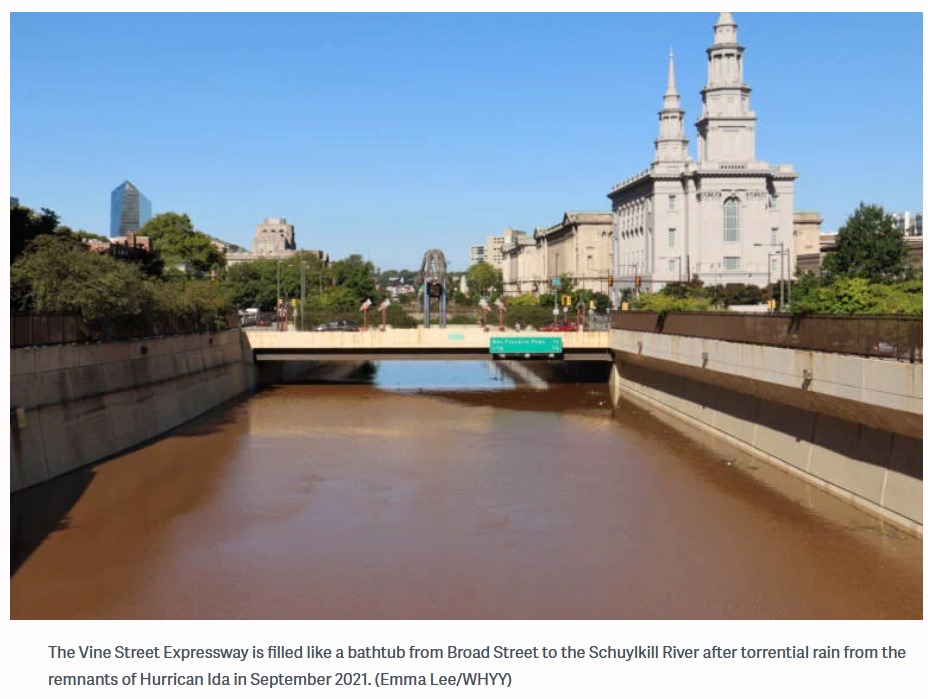
4D Music: Songs About Science

A song about The Human Induced Climate Change Experiment

bookmark_borderUnintended Consequences

LYRICS
Doing this
Getting that
Careful wish
Falling flat

Unintended consequences
Burning bridges
Building fences

Almost fooled
By “cleaner” fueled
Pollution solution
De-evolution

Unintended consequences
Do rain dances
Reduce chances?

Deforestation
To save the trees
In opposition
Oh, please!

Unintended consequences
As a matter of fact
Unexpected drawback

Cleaner alternative
Leaking gas
The derivative
Worse, alas

Unintended consequences
Counting offenses
Mounting expenses

Go figure
Triggers triggers
Feedback loops
A collective “oops”

Unintended consequences
Offended
Not comprehended

Chords: A D E A / A C G D / D E A Part II @ 136 Beats Per Minute
Instrumentation: Vocals (TC-Helicon VOICELIVE and MiniNova Vocorder), Ibanez Acoustic Guitar (AW54CE), Keyboards (Korg PS60, Casio WK-3500, Yamaha PSR-740, MiniNova, MicroKorg)

ABOUT THE SONG
This song reflects on the unintended consequences of human actions that contribute to climate change. It highlights how seemingly beneficial decisions or solutions can lead to unforeseen negative outcomes. The lyrics capture the frustration and irony of these unintended consequences, emphasizing the need for greater awareness and consideration of the broader impacts of our choices.

The repetition of phrases like “unintended consequences” and “cleaner” fueled” underscores the central theme of the song, drawing attention to the paradoxical nature of many environmental initiatives. The mention of deforestation as a means to “save the trees” encapsulates the contradictions inherent in some approaches to conservation.

The song also touches on the issue of methane leakage from natural gas production and the complex interplay of feedback loops in exacerbating climate change. Overall, it serves as a cautionary tale about the importance of thinking critically and holistically when addressing environmental challenges.

ABOUT THE SCIENCE
Climate change is primarily driven by the escalation of thermal energy affecting biogeophysical and socio-economic systems. While biogeophysical factors can be studied using math, physics, and historical records, socio-economic systems pose greater challenges due to the unpredictable consequences of human behavior and inexplicable consumer choices.

Some unintended consequences contributing to climate change include:

  1. Increased Carbon Dioxide (CO2) Emissions: Switching to cleaner fuels with lower sulfur content can inadvertently lead to higher CO2 emissions. For example, marine vessels burning cleaner fuels may emit more CO2, a potent greenhouse gas, contributing to global warming and climate change.
  2. Deforestation for Biofuel Production: The use of biofuels as an alternative to fossil fuels can lead to deforestation as forests are cleared to make way for biofuel crops. Deforestation releases stored carbon into the atmosphere, exacerbating climate change.
  3. Land Use Change: Converting land for agricultural or urban development alters natural ecosystems, releasing stored carbon into the atmosphere. This change in land use can contribute to climate change by reducing the planet’s capacity to absorb carbon dioxide.
  4. Methane Leakage from Natural Gas Production: Natural gas is often touted as a cleaner alternative to coal; however, methane, a potent greenhouse gas, can leak during natural gas extraction, processing, and transportation. Methane emissions contribute to global warming and climate change.
  5. Albedo Effect from Land Use Change: Changes in land cover, such as deforestation or urbanization, can alter the Earth’s albedo, or its ability to reflect sunlight. Darker surfaces absorb more heat, leading to increased warming. For example, replacing forests with urban areas can decrease albedo, contributing to local and regional warming.
  6. Feedback Loops: Climate change can trigger feedback loops that further exacerbate warming. For example, melting ice caps reduce the Earth’s albedo, leading to more heat absorption and further melting. Similarly, thawing permafrost releases stored methane and carbon dioxide, amplifying greenhouse gas emissions.

These unintended consequences highlight the interconnectedness of human activities and their impacts on the Earth’s climate system. Addressing these unintended consequences requires comprehensive strategies that consider the broader environmental and societal implications of policy decisions and technological advancements.

Human-induced climate change is a dynamic component of an intricate and unordered system, as per chaos theory. This implies that global warming is accelerating exponentially in a complex manner. Over the period from 1992 to 2023, we have presented compelling evidence, proposed remedies to mitigate climate change, and amassed valuable information through the engagement of millions with this climate model. Your participation has been invaluable. The incontrovertible data underscores that human-induced climate change is rapidly deteriorating our habitat.

Our climate model / experiment employs chaos theory to comprehensively consider human impacts and projects a potential global average temperature increase of 9℃ above pre-industrial levels. Global warming is a consequence of elevated thermal energy in the climate system, which comprises various subsystems. Chaos theory underscores the intricate and nonlinear nature of dynamic systems. Human well-being is compromised above a 1.5-degree temperature rise, rendering much of the Earth uninhabitable. A 9-degree Celsius increase would bring the Earth close to a wet-bulb temperature incapable of sustaining human life.

What Can I Do? There are numerous actions you can take to contribute to saving the planet. Each person bears the responsibility to minimize pollution, discontinue the use of fossil fuels, reduce consumption, and foster a culture of love and care. The Butterfly Effect illustrates that a small change in one area can lead to significant alterations in conditions anywhere on the globe. Hence, the frequently heard statement that a fluttering butterfly in China can cause a hurricane in the Atlantic. Be a butterfly and affect the world.

Here is a list of additional actions you can take.
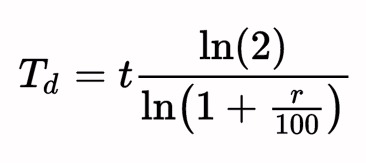
4D Music: Songs About Science

A song about The Human Induced Climate Change Experiment

bookmark_borderRisk

LYRICS
What is the peril
With all of this?
Risk to life
Risk to limb
Bringing strife
To who I am
Taking life
From who I am

Vector-borne disease
Under a scorching breeze
Dying of thirst
As hopes are coerced

Loss of the trees
No more gentle breeze
Extremes abound
Dreams shattered, ground

Loss of home
Forever to roam
Refugee’s fate
A self-imposed state

Intensified rain
Reigning severity’s pain
Water refuses to drain
Sustaining sanity becomes a strain

Hazard, threat, jeopardy
High-risk probability
Time hangs on the line
Under constant alarms of harm
Susceptible to vulnerability
In debt, regretting the threat


Chords: Dm Em Am Em / Em D6 Em / Am G F Em / C F G Am / F Dm C Dm / C B7 A G E / E C D E; Part II @ 40 & 80 to 120 Beats Per Minute
Instrumentation: Vocals (TC-Helicon VOICELIVE and MiniNova Vocorder), Ibanez Acoustic Guitar (AW54CE), Ibanez Electric RG-270 (Boss Digital Delay), Fender Jazz Bass (Boss Digital Delay), Keyboards (Korg PS60, Casio WK-3500, Yamaha PSR-740, MiniNova, MicroKorg)

ABOUT THE SONG
This song “Risk” delves deep into the myriad perils posed by climate change. It portrays a world where every aspect of life is under threat, from the fundamental well-being of individuals to the stability of entire ecosystems.

The opening lines prompt reflection on the nature of the danger: what form does the peril take, and who bears its brunt? The repetition of “Risk to life, Risk to limb” emphasizes the pervasive threat looming over existence itself.

The imagery of vector-borne diseases carried on scorching winds evokes a harrowing scenario where even the air we breathe becomes a source of danger. The desperation of “Dying of thirst, As hopes are coerced” captures the existential struggle against a relentless adversary.

The loss of trees, traditionally a symbol of life and vitality, signifies a world turned upside down, where the very essence of nature is under siege. This loss is compounded by the absence of the cooling breeze they once provided, replaced instead by the oppressive heat of extremes.

The theme of displacement and loss continues with the portrayal of homelessness and the plight of refugees, forced into a perpetual state of wandering by the upheaval of their environments.

Intensified rainfall brings not relief but further suffering, with flooding and waterlogged lands exacerbating the challenges already faced. The inability of water to drain symbolizes the stagnation and helplessness felt in the face of such overwhelming odds.

Finally, the song concludes with a stark acknowledgment of the grim reality: a world characterized by hazard, threat, and jeopardy, where the probabilities of danger are ever-present. In this landscape of vulnerability, the specter of regret looms large, as societies grapple with the consequences of their actions and the uncertain future they have wrought.

ABOUT THE SCIENCE
Climate change poses a wide range of risks across various sectors and aspects of life. Some of the main risks associated with climate change include:

  1. Extreme Weather Events: Climate change increases the frequency and severity of extreme weather events such as hurricanes, floods, heatwaves, droughts, and storms, leading to property damage, loss of life, and disruption of essential services.
  2. Rising Sea Levels: Melting polar ice caps and thermal expansion of seawater lead to rising sea levels, increasing the risk of coastal flooding, erosion, and saltwater intrusion into freshwater sources, threatening coastal communities and ecosystems.
  3. Changes in Precipitation Patterns: Climate change alters precipitation patterns, resulting in more intense rainfall in some regions, leading to flooding and landslides, while other areas experience prolonged droughts, affecting agriculture, water availability, and ecosystems.
  4. Impacts on Agriculture and Food Security: Changes in temperature and precipitation patterns affect crop yields, livestock health, and fisheries, leading to food shortages, price volatility, and loss of livelihoods for farming communities.
  5. Ecosystem Disruption: Climate change disrupts ecosystems, leading to habitat loss, species extinction, and shifts in species distributions, affecting biodiversity, ecosystem services, and human well-being.
  6. Health Risks: Climate change exacerbates health risks by increasing the frequency of heat-related illnesses, vector-borne diseases, air pollution, and waterborne diseases, particularly in vulnerable populations.
  7. Water Scarcity: Changes in precipitation patterns and increased evaporation rates exacerbate water scarcity in many regions, leading to competition for water resources, conflicts over water access, and impacts on agriculture, industry, and human health.
  8. Displacement and Migration: Rising sea levels, extreme weather events, and environmental degradation force communities to relocate, leading to displacement, migration, and potential social conflicts.
  9. Infrastructure Damage: Climate-related hazards, such as storms and floods, damage infrastructure such as roads, bridges, buildings, and utilities, disrupting economic activities and increasing the costs of repair and reconstruction.
  10. Economic Risks: Climate change poses significant economic risks, including damage to property and infrastructure, reduced agricultural productivity, increased insurance premiums, loss of tourism revenue, and disruptions to supply chains, trade, and investment.

Conclusion
Triggering tipping points results in the CO2 stored in nature to be released without the assistance of humans. Though we do not know how much carbon is stored in nature, it would be reasonable to assume that the temperature could be pushed from 3 degrees to 6 degrees Celsius above pre-industrial levels. Humans cannot thrive above a rise of 1.5 degrees. Much of the Earth will be uninhabitable if the temperature rises an additional 6 degrees Celsius. If humans also add 3 degrees Celsius, the temperature and humidity will approach a wet-bulb temperature that will not sustain human life. In any event, there will be exponential loss and damage.

For the first time in human history, global warming is going to continue no matter what humans do. Even if humans stopped their greenhouse gas emissions today, humans have invoked nature’s greenhouse gas emissions. Nevertheless, the sooner humans stop their emissions, the better. In addition, humans must adapt their habitat to remove, reduce, and hinder nature’s greenhouse gas emissions.

Welcome to the Age of Loss and Damage.

* Our climate model employs chaos theory to comprehensively consider human impacts and projects a potential global average temperature increase of 9 degrees Celsius above pre-industrial levels.

What Can I Do?
There are numerous actions you can take to contribute to saving the planet. Each person bears the responsibility to minimize pollution, discontinue the use of fossil fuels, reduce consumption, and foster a culture of love and care. The Butterfly Effect illustrates that a small change in one area can lead to significant alterations in conditions anywhere on the globe. Hence, the frequently heard statement that a fluttering butterfly in China can cause a hurricane in the Atlantic. Be a butterfly and affect the world.
Here is a list of additional actions you can take.

4D Music: Songs About Science

A song about The Human Induced Climate Change Experiment

bookmark_borderAre You Sleeping?

LYRICS
At first, it was hard to tell
Perhaps just as well?
As they say, time will tell
If we rose
If we fell
I suppose….

Any wonder under
Our own spell
Mo matter if
I stomp and yell
Well,
It’s hard to tell
If there’s soul, does it dwell?
Your life’s toll… heaven… hell?

Are-You-Sleeping.mp3 (unplugged to conserve energy)

Chords: G / F C G
Instrumentation: Vocals (TC-Helicon VOICELIVE), Ibanez Acoustic Guitar (AW54CE)

ABOUT THE SONG
This song explores the uncertainty and introspection surrounding the issue of climate change. The lyrics suggest a contemplative mood, questioning whether humanity has truly recognized the gravity of the situation. The repetition of “hard to tell” reflects the ambiguity and complexity of the climate crisis, as well as the difficulty in discerning its full impact. The mention of “time will tell” emphasizes the need for patience and observation to understand the consequences of our actions. Overall, the song encourages listeners to reflect on their role in addressing climate change and to consider the broader existential questions it raises about life and its interconnectedness with the environment.

Our climate model / experiment employs chaos theory to comprehensively consider human impacts and projects a potential global average temperature increase of 9℃ above pre-industrial levels. Global warming is a consequence of elevated thermal energy in the climate system, which comprises various subsystems. Chaos theory underscores the intricate and nonlinear nature of dynamic systems. Human well-being is compromised above a 1.5-degree temperature rise, rendering much of the Earth uninhabitable. A 9-degree Celsius increase would bring the Earth close to a wet-bulb temperature incapable of sustaining human life.

What Can I Do? There are numerous actions you can take to contribute to saving the planet. Each person bears the responsibility to minimize pollution, discontinue the use of fossil fuels, reduce consumption, and foster a culture of love and care. The Butterfly Effect illustrates that a small change in one area can lead to significant alterations in conditions anywhere on the globe. Hence, the frequently heard statement that a fluttering butterfly in China can cause a hurricane in the Atlantic. Be a butterfly and affect the world.

Here is a list of additional actions you can take.

4D Music: Songs About Science

A song about The Human Induced Climate Change Experiment

bookmark_borderDoubling Down

LYRICS
2 x 2 is 4
4 x 2 is 8
8 x 2 is 16
Are you starting to appreciate (2,4,8)
What it will mean? (16)

We’ve found
Doubling down
Astound
Doubling down

Acceleration
Aberration
No celebration
Man’s castration

It’s come unwound
I’m out of time
We’ve gone hellbound
Lost our reason and rhyme

All participate
At an alarming rate
Created fate
Man-made late

Chords: E G / G A C B7 E / E A C E; Part II @ 152 Beats Per Minute
Instrumentation: Vocals (TC-Helicon VOICELIVE and MiniNova Vocorder), Ibanez Acoustic Guitar (AW54CE), Fender Squire Mini Electric Guitar, Fender Jazz Bass (Boss Digital Delay), Keyboards (Korg PS60, Casio WK-3500, Yamaha PSR-740, MiniNova, MicroKorg)

ABOUT THE SONG
The song “Doubling Down” reflects on the concept of exponential growth, particularly in the context of climate change. The repeated multiplication of numbers (2 x 2 is 4, 4 x 2 is 8, etc.) serves as a metaphor for the rapid acceleration of certain phenomena, such as sea level rise, temperature increase, or carbon emissions, which are doubling at alarming rates.

The repetition of “Doubling down” emphasizes the intensification of this trend, suggesting a sense of urgency and concern. It underscores the notion that the consequences of doubling down on unsustainable practices or behaviors are becoming increasingly evident and impactful.

References to “acceleration” and “aberration” highlight the unexpected and alarming nature of this trend, contrasting with the absence of celebration and a sense of loss or regret. The lyrics convey a feeling of inevitability and urgency, emphasizing the need for collective action to address and mitigate the impacts of climate change before it’s too late.

Overall, “Doubling Down” serves as a poignant commentary on the exponential nature of climate change and the imperative for society to confront and address it with urgency and determination.

ABOUT THE SCIENCE
How fast are humans causing the climate to change? When we started our experiments in the 1990’s, we thought the time scale was in millenniums. If climate change were happening on a linear basis, we would have been correct; however, by the late 90’s we were convinced climate change was non-linear.

Doubling time is the amount of time it takes for a quantity to double in size (exponential growth). By 2020, there was enough data to see the doubling time of some anthropogenic climate affects had gone from 100 years to 10 years. For instance the rate of sea level rise has gone from about 1.5 millimeters per year to over 3 millimeters. We expect to see the doubling period to continue to shrink raising the possibility of sea levels rising a foot/year by 2050.

T_{d}=t \frac{\ln (2)}{\ln \left(1+\frac{r}{100}\right)}

T_{d} = doubling time
t = time
{r} = growth rate

Though the rate of change in climate disasters’ intensity, duration, and likelihood vary according to the type of extreme weather, a “rule-of-thumb” can be derived from the Canada wildfires of 2023. The World Weather Attribution Organization found, “Climate change made the cumulative severity of Quebec’s 2023 fire season to the end of July around 50% more intense, and seasons of this severity at least seven times more likely to occur.”

50% more intense
7 x more likely

These numbers may be similar in other catastrophes like hurricanes, heat waves, droughts, floods, tornadoes, and sea level rise.

If the doubling time remains at 10 years, we could see extreme events 100% more intense and/or longer in duration, as well as, 14 times more likely to occur. As mentioned above, we expect the doubling time to be reduced. If the doubling time is 5 years, in ten years we could see 200% more intense and longer extreme weather events being 28 times more likely to occur.

2024 Update
Global average sea level rose by about 0.3 inches (0.76 centimeters) from 2022 to 2023, according to a NASA-led analysis. When we authored this paper in 2023, we could not have foreseen the swift acceleration of this trend. Initially projected to double over a span of 100 years, the rate of sea level rise dramatically escalated, shortening the doubling period to a mere 10 years by 2020. Shockingly, recent observations suggest that this doubling period has further compressed to just 2 years. It is imperative to acknowledge and address this concerning trend, hoping it is not a foreboding indication of a new norm but rather an anomaly.

Human-induced climate change is a dynamic component of an intricate and unordered system, as per chaos theory. This implies that global warming is accelerating exponentially in a complex manner. Over the period from 1992 to 2023, we have presented compelling evidence, proposed remedies to mitigate climate change, and amassed valuable information through the engagement of millions with this climate model. Your participation has been invaluable. The incontrovertible data underscores that human-induced climate change is rapidly deteriorating our habitat.

Our climate model / experiment employs chaos theory to comprehensively consider human impacts and projects a potential global average temperature increase of 9℃ above pre-industrial levels. Global warming is a consequence of elevated thermal energy in the climate system, which comprises various subsystems. Chaos theory underscores the intricate and nonlinear nature of dynamic systems. Human well-being is compromised above a 1.5-degree temperature rise, rendering much of the Earth uninhabitable. A 9-degree Celsius increase would bring the Earth close to a wet-bulb temperature incapable of sustaining human life.

What Can I Do? There are numerous actions you can take to contribute to saving the planet. Each person bears the responsibility to minimize pollution, discontinue the use of fossil fuels, reduce consumption, and foster a culture of love and care. The Butterfly Effect illustrates that a small change in one area can lead to significant alterations in conditions anywhere on the globe. Hence, the frequently heard statement that a fluttering butterfly in China can cause a hurricane in the Atlantic. Be a butterfly and affect the world.

Here is a list of additional actions you can take.

4D Music: Songs About Science

A song about The Human Induced Climate Change Experiment

bookmark_border98.6

LYRICS
If we ever get in the clear
Then we’ve got to get out of here
Masses of gases
Making my temperature rise
Bulging eyes as the brain fries
Making my temperature rise
Can’t cry too dry
Making my temperature rise

If we ever get out of here
Then we’re near the “all’s clear”
Masses of gases
Making my temperature rise
Bulging eyes as the brain fries
Making my temperature rise
Can’t cry too dry
Making my temperature rise

Until we get out of here
Hear that we have yet to fear
Masses of gases
Making my temperature rise
Bulging eyes as the brain fries
Making my temperature rise
Can’t cry too dry
Making my temperature rise

Chords: E F G / G F# E / E’s; Part II Double Boogie @ 164 Beats Per Minute
Instrumentation: Vocals (TC-Helicon VOICELIVE and MiniNova Vocorder), Ibanez Acoustic Guitar (AW54CE), Fender Jazz Bass (Boss Digital Delay), Keyboards (Korg PS60, Casio WK-3500, Yamaha PSR-740, MiniNova, MicroKorg)

ABOUT THE SONG
This song “98.6” vividly portrays the intense and deadly effects of extreme heat, particularly focusing on the concept of wet-bulb temperature and its implications for human survival in the context of climate change. The repetition of the phrase “Making my temperature rise” underscores the urgency and intensity of the situation. The reference to “Masses of gases” suggests the role of greenhouse gases in exacerbating the heat, highlighting the link to human activities and climate change. The imagery of “bulging eyes” and “brain fries” paints a distressing picture of the physical and cognitive impacts of extreme heat, emphasizing the life-threatening nature of the situation. Overall, the song captures the ominous and oppressive atmosphere of deadly humid heat and the urgent need to address climate change to mitigate its devastating effects.

ABOUT THE SCIENCE
Greenhouse gases themselves are not inherently toxic to humans in the concentrations typically found in the atmosphere. However, their role in trapping heat and contributing to global warming and climate change can have detrimental effects on human health and the environment. For example, the increased temperatures associated with higher levels of greenhouse gases can lead to more frequent and severe heatwaves, which can cause heat-related illnesses and even death, particularly in vulnerable populations such as the elderly and those with pre-existing health conditions. Additionally, changes in climate patterns influenced by greenhouse gases can impact air and water quality, alter ecosystems, and lead to more extreme weather events, all of which can indirectly affect human health and well-being. Therefore, while greenhouse gases themselves may not be toxic, their effects on the environment can have significant health implications.

The greatest health risk from climate change to those alive today is the increased moisture content in the air (relative humidity) combined with the increased temperatures.

A Wet-bulb measures the temperature read by a thermometer covered in a wet cloth. As water evaporates from the cloth, evaporation cools the thermometer. This mirrors how the human body cools itself with sweat. The higher the heat and humidity (heat index), the harder it is for sweat to evaporate. The study Adaptability Limit to Climate Change Due to Heat Stress found that a wet-bulb temperature of 35C (95F) at 100% humidity, or 115F at 50% humidity, would be the upper limit of safety, beyond which the human body can no longer cool itself by evaporating sweat from the surface of the body to maintain a stable body core temperature.

The United Nations DRR says:
For every degree Celsius in warming, the water-holding capacity of the atmosphere increases by about 7%. Record-high sea temperatures ensure there is more moisture (in the form of water vapor) in the atmosphere, by an estimated 5-15% compared to before the 1970s, when global temperature rise began in earnest.

Deadly humid heat affects billions including the US Midwest this century. “It’s very disturbing,” study co-author Matthew Huber of Purdue University. “It’s going to send a lot of people to emergency medical care.” The study Greatly enhanced risk to humans as a consequence of empirically determined lower moist heat stress tolerance was conducted by Purdue and George Mason University and published August 15, 2023.

These results indicate that a significant portion of the world’s population will experience — for the first time in human history — prolonged exposures to uncompensable extreme moist heat. Humans will struggle to adapt to these conditions in a warmer world as they will present widespread challenges across many aspects of food-energy-water security, human health, and economic development including in the world’s most populous and most vulnerable regions.

At 3C (5.4F) of yearly average warming, more than 1.5 billion people will suffer. In the summer of 2023, the Earth experienced about a month of warming at 3C above pre-industrial levels. Both 2022 and 2023 saw a record number of heat related deaths. More than 61,000 Europeans died from extreme heat in the summer of 2022.

The average temperature for Brazil had been above the historical average from July through October of 2023. Rio de Janeiro recorded 42.5C on November 12, 2023 (a record for November) and high humidity on the 14th meant that it felt like 58.5C, municipal authorities said. The combination of heat and humidity is the greatest climate change risk to human health. On November 17, “a young Brazilian fan of US singer Taylor Swift died in Rio de Janeiro after falling ill inside the sweltering stadium where the superstar’s concert was held, amid a record-breaking heatwave across large swathes of Brazil,” as reported by ABC. “The show took place on the same day that Rio recorded its highest-ever heat index reading, which combines temperature and humidity, at 59.3 degrees Celsius (139 degrees Fahrenheit).”

The Water Vapor Feedback Problem
Water vapor is a powerful greenhouse gas. Since the 1970s, its rise likely increased global heating by an amount comparable to that from rising carbon dioxide. We are now seeing the consequences. In the current climate, for average all-sky conditions, water vapour is estimated to account for 50% of the total greenhouse effect, carbon dioxide 19%, ozone 4% and other gases 3%. Clouds make up about a quarter of the greenhouse effect.

The main greenhouse gases — carbon dioxide, methane, nitrous oxide and ozone — don’t condense and precipitate. Water vapor does, which means its lifetime in the atmosphere is much shorter, by orders of magnitude, compared to other greenhouse gases. On average, water vapor only lasts nine days. The increased intensity of precipitation often results in violent rain.

Sidd said, “The biggest feedback loop is water vapor. Humans put CO2 in the air. CO2 is a greenhouse gas, so the earth gets warmer. Warmer air can hold more water vapor soaking up more water vapor from the oceans. Water vapor is a greenhouse gas, so it gets even warmer… rinse (sorry!) and repeat. Another interesting thing is that the precipitation (rain, snow, sleet) intensity is increasing.”

Due to climate change humans will experience greater loss and damage to life and quality of life from air pollution, decreasing supply of potable water, extreme weather events, and disease. The greatest short term climate change risk to human health is deadly humid heat (wet-bulb temperature).

* Our climate model uses chaos theory in an attempt to adequately account for humans and forecasts a global average temperature increase of 9 degrees Celsius above pre-industrial levels. Everybody has the responsibility not to pollute. There are plenty of things you can do to help save the planet. Stop using fossil fuels. Consume less. Love more. Here is a list of additional actions you can take.
Climate Change and Deadly Humid Heat Brouse (2023)

4D Music: Songs About Science

A song about The Human Induced Climate Change Experiment