About the Song
The distinction between weather and climate has not disappeared. Weather remains the day-to-day state of the atmosphere, while climate describes long-term averages and the underlying behavior of the Earth system. What has changed is the degree to which climate is now shaping weather in real time.
As greenhouse gases accumulate and the planet stores more heat, every component of the climate system contains more energy. Warmer oceans evaporate more water, the atmosphere holds more moisture, and circulation patterns are increasingly disrupted by changes in temperature gradients between the tropics and the poles. These changes alter not only the intensity of individual weather events but also the persistence and interaction of entire weather patterns.
The result is a network of reinforcing feedbacks. A warming ocean fuels stronger atmospheric rivers and hurricanes. Droughts increase wildfire activity, while wildfire smoke alters atmospheric chemistry and solar radiation. Reduced snow and ice decrease Earth’s reflectivity, allowing additional warming. Permafrost thaw releases greenhouse gases that contribute to further warming. Each process influences others, producing cascading effects across the Earth system.
About the Song: Ozone = #1 Climate Gas
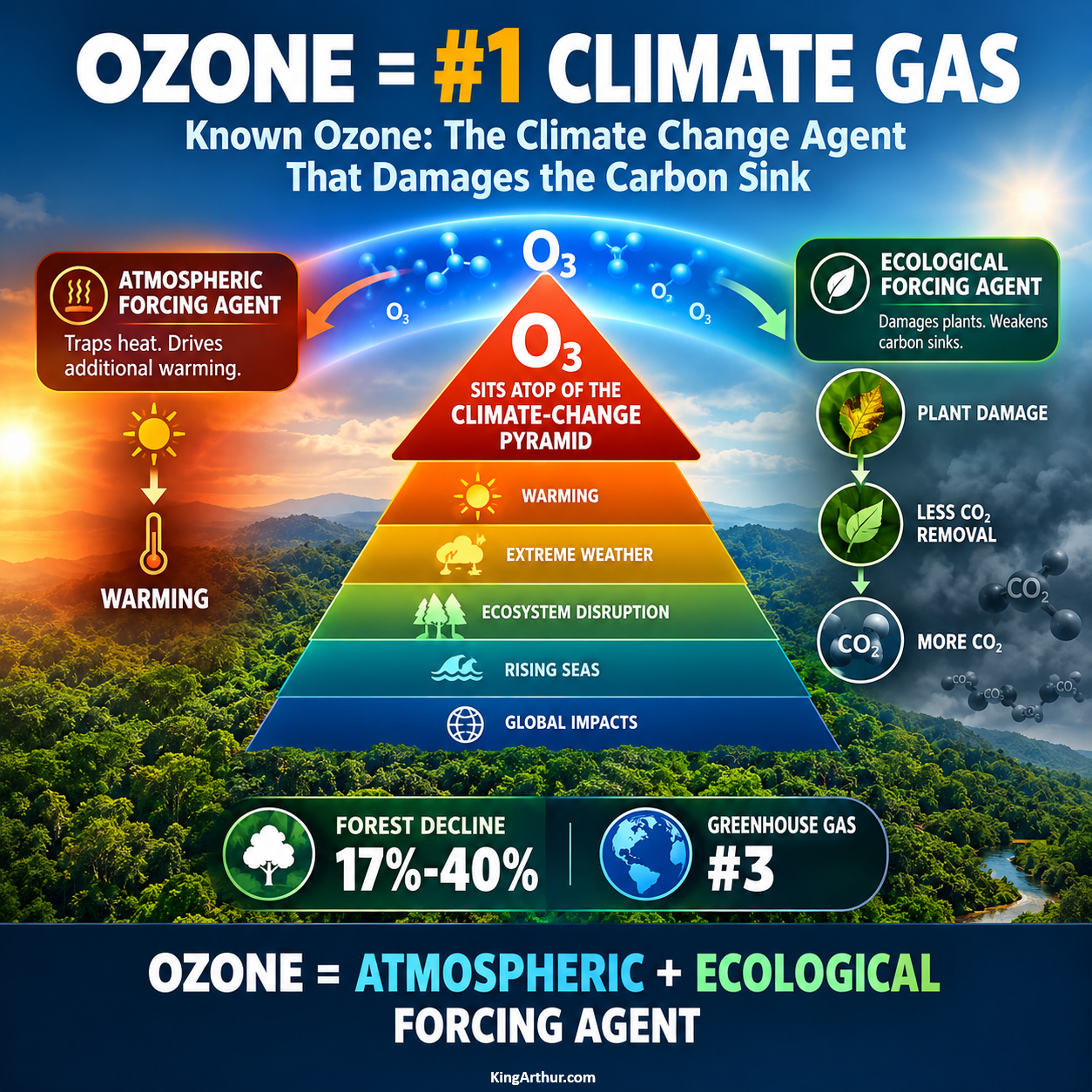
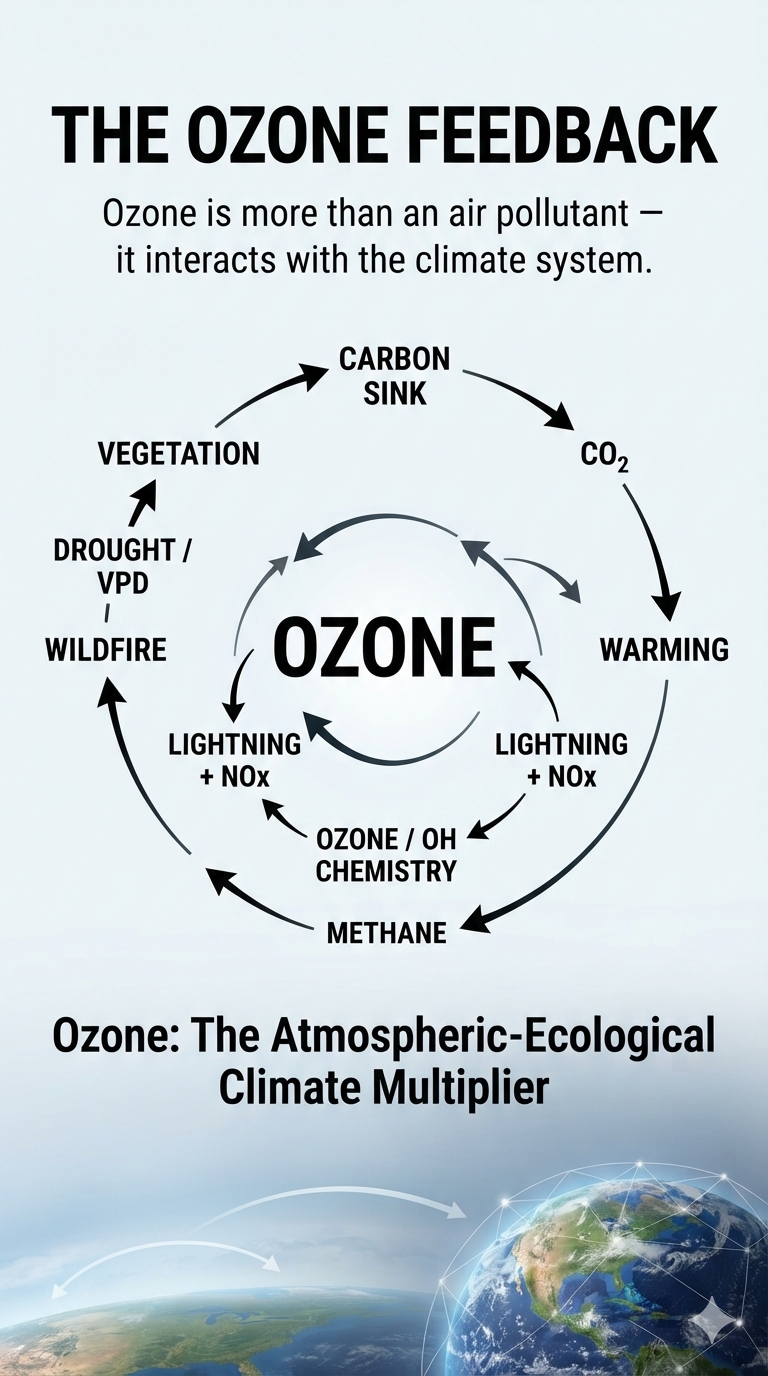
Ozone is usually overlooked as a greenhouse gas. Actually, tropospheric ozone sits atop the climate-change pyramid.
Why? Because ozone is both an:
ATMOSPHERIC FORCING AGENT
→ traps heat
→ drives additional warming
and an:
ECOLOGICAL FORCING AGENT
→ damages plants
→ reduces photosynthesis
→ weakens carbon sinks
→ leaves more CO₂ in the atmosphere
→ drives additional warming
FOREST DECLINE: 17%–40%
GREENHOUSE GAS: #3
Ozone doesn’t just warm the atmosphere. It can damage the biological systems that remove CO₂ from it.
OZONE = ATMOSPHERIC + ECOLOGICAL FORCING AGENT
That makes ozone one of the most important—and overlooked—climate-change agents.
[Silence]
[Instrumental Intro: Acoustic Guitar, Piano, Warm Organ, Deep Sub-Bass, Electric Guitar, Drums, Percussion, Saxophone]
[Intro]
Spring came early…
(Or was it late?)
Summer stayed longer…
(Changing our fate)
Leaves started fallin’
Before they were due
Winter came knockin’
But nobody knew
[Verse 1]
The calendar said
It was time for the change
But outside the window
Things looked kinda strange
[Refrain]
The seasons
(Are changing)
Rearranging
(For what reasons?)
Arrive early
(Alive… barely)
Stayed late
(At any rate…)
Changing
[Verse 2]
Summer said
“I’m gonna stay for a while”
Autumn was waiting
With a puzzled-up smile
Winter showed up
Then wandered away
Spring couldn’t figure
Which month was today
[Refrain]
The seasons
(Are changing)
Rearranging
(For what reasons?)
Arrive early
(Alive… barely)
Stayed late
(At any rate…)
Changing
[Bridge]
Is it the weather?
(Or is it whether)
… we can get together
Is it the climate…
(Caused by the primate?)
Is it time…
(We saw the sign?)
[Break]
Early!
(Early!)
Late!
(Late!)
Wait…
(Wait!)
Too late?
[Instrumental]
[Extended Groove — Piano and Organ Lock Into Deep Bass]
[Electric Guitar Swells]
[Saxophone Call and Response]
[Drums Build]
[Percussion Rolls]
[Pre-Chorus]
The Earth keeps spinning
The seasons keep turning
The patterns keep shifting
The questions keep burning
What once arrived
At a familiar time
Is showin’ up early
Then falling behind
[Final Refrain]
The seasons
(Are changing)
Rearranging
(For what reasons?)
Arrive early
(Alive… barely)
Stayed late
(At any rate…)
Changing
The seasons…
(Are changing…)
The reasons…
(Enraging…)
[Outro]
The seasons
(Are changing)
Rearranging
(For what reasons?)
Arrive early
(Alive… barely)
Stayed late
(At any rate…)
Changing
[Intro]
Right now…
(Right here!)
Somehow…
(Raises fear?)
Not yesterday…
(Not tomorrow…)
Today
(Hence:)
Present tense!
[Verse 1]
Yesterday’s gone
Tomorrow’s not here
All the while tomorrow
Draws near
[Refrain]
Is the present tense
(Tense)
Is the state of the state
(Irate)
Are you presently tense
(In the present tense?)
[Instrumental, Psychedelic Jam Interlude, Percussion Solo]
[Verse 2]
The present is tense
When the pressure is high
Everybody’s watchin’
The numbers fry
[Chorus]
Present tense!
(Tense!)
What’s the state of the state?
(Irate!)
Present tense!
(Tense!)
What’s the state of the state?
Are we presently tense?
(Presently tense!)
Or just pretending
(Everything’s fine?)
Forever defending
(Me, my, mine)
[Bridge]
Is it a grammar lesson?
(Is it?)
Is it a state of mind?
(Bad habit?)
Is it the state of the state?
(Irate!)
Or all of the above?
(Have we forgot love?)
[Break]
Right now!
(Not later!)
Not before!
(Once more!)
Right now!
(Hence:)
Present!
(Tense!)
[Final Refrain]
Is the present tense
(Tense)
Is the state of the state
(Irate)
Are you presently tense
(In the present tense?)
Is the present tense
(Tense)
Or is it just the debate
(We communicate?)
Are you presently tense
(In the present tense?)
[Outro]
Is the present tense
(Tense)
Is the state of the state
(Irate)
Are you presently tense
(In the present tense?)
[Whisper]
(Hence:)
Are you presently tense?
#26 Jerk Surge
[Intro]
Twenty-six!
(What?)
Jerk surge!
(What was that?)
Take a chance…
(Here we go!)
Dance!
[Verse 1]
Something’s coming through the circuit
Something’s moving way too fast
Feel it twitching in the system
Feel the future hit the past
First you think you’ve got it handled
Then the signal starts to switch
One little unexpected movement
And the whole thing makes you twitch
(Twitch, twitch, twitch)
[Pre-Chorus]
Ready?
(Ready!)
Steady?
(No!)
Something’s coming…
(Here we go!)
[Refrain]
Get your 26 fix
(Jerk surge)
Take a chance
(A modern dance)
Splurge
(26 jerk surge)
First
(You get completely)
Then you jerk a knee
(Real, real fast)
Like whiplash!
(Splash!)
Splurge
(26 jerk surge)
[Verse 2]
One-two-three and then you stumble
Four-five-six and lose the beat
Seven-eight and something’s jumping
Nine-ten underneath your feet
[Break]
First you get completely…
(Out of your mind)
Then you jerk a knee!
(The funny bone you’ll find)
Real, real fast!
(Like whiplash!)
Twenty-six!
(That’s the fix!)
Twenty-six!
(That’s the trick!)
Jah, jah, jah
(Jerk surge!)
[Final Chorus]
Jerk surge!
(Jerk surge!)
Feel it hit!
(Feel it hit!)
Take a chance
(A modern dance!)
Don’t resist!
(Don’t resist!)
Twenty-six!
(Get your fix!)
Splurge!
(26 jerk surge!)
[Final Refrain]
Get your 26 fix
(Jerk surge)
Take a chance
(A modern dance)
Splurge
(26 jerk surge)
Jah, jah, jah
(Jerk surge!)
First
(You get completely)
… hit with reality…
Then you knee-jerk
(Twerk)
Hit that funny bone
(Now take it on home!)
Future to past…
(Real, real fast)
Like whiplash!
(Splash!)
Splurge
(26 jerk surge)
Tonight’s new release “#26 Jerk Surge” is a lil’ dance ditty inspired by tonight’s homework assignment “2022–2026 Jerk Surge”. A new dance craze influenced by all the versions of Locomotion, from Little Eva to Grand Funk to Kylie, plus Funk #49 by Joe Walsh. It attempts to explain the climate jerk experienced in 2026 as a cultural experiment experience. Everybody’s doin’ it.
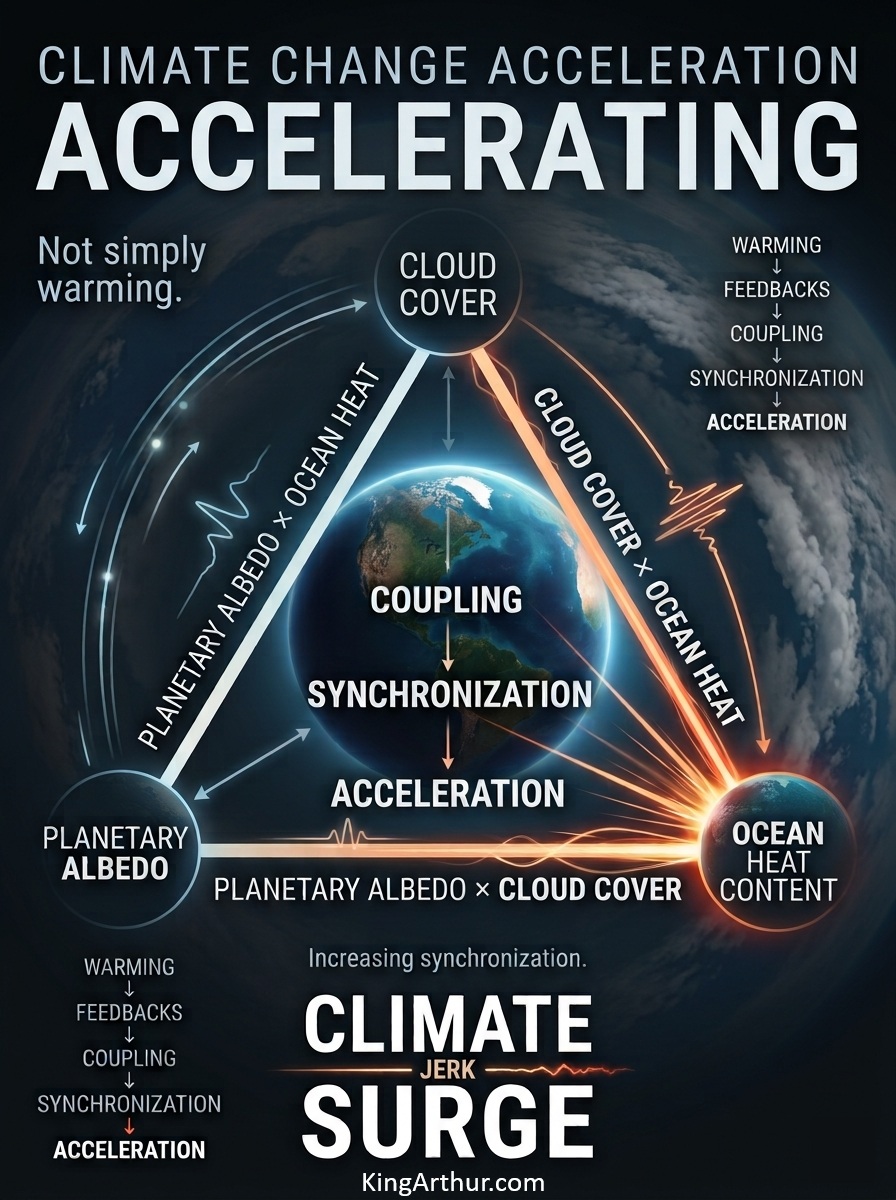
A 2026 study found that the recent change in climate-system dynamics is being expressed not simply as continued warming, but as increasing synchronization among multiple radiative and thermal feedback pathways.
Beginning most notably around 2022, an increasingly interconnected pattern emerges among six major climate-system variables: cloud cover, planetary albedo, sea ice extent, atmospheric water vapor, ocean heat content, and surface temperature.
The three largest interaction paths form a closely connected Albedo–Cloud–Ocean Heat Content triad:
The significance is not that a single feedback has suddenly appeared. These feedbacks are already well established. The emerging signal is that multiple feedback pathways are becoming increasingly coupled—and that the rate of this coupling is itself accelerating.
That accelerating coupling is the Climate Jerk Surge.
[Final Chorus]
Wake up!
(Wake up!)
As the floor shakes
(Wake up!)
Before the whole thing breaks
No more dreaming
(No more sleep)
We’re in way too deep
To keep pretending…
(We’re asleep)
[Final Refrain]
Snooze switch
(Wake to hit)
Real bitch
(Wake to it)
In way to deep
(To sleep)
Snooze switch!
(Wake up!)
Snooze switch!
(For real!)
Wake to it…
(Wake to it!)
[Outro]
Hit the switch…
(Don’t hit snooze.)
Wake up…
(Too deep to choose to lose)
Wake…
(Up.)
Debt Collection
[Intro]
Knock, knock…
(Who’s there?)
Debt collector…
(No one’s here!)
You thought you had time
(You thought you were fine)
But time has a way
(Of collecting its pay)
[Verse 1]
We borrowed from tomorrow
And spent it all today
Took a little from the future
Then we threw the bill away
“Don’t worry ’bout the interest”
(We’ll deal with that somehow)
But the debt kept getting bigger
(And the collector’s here right now)
[Pre-Chorus]
First came the warning
(We waved it away)
Then came the interest
(It started to stay)
[Refrain]
Beyond speculation
(It’s debt collection)
What’s at stake
(A bone break)
First your fingers
(While the pain lingers)
There goes the toes
(Holy! And another knee)
[Verse 2]
You can’t put the pain
A hundred years away
When the heat is at your doorstep
And the flood is on its way
Somewhere far?
(Right where you are)
Far away?
(Not today!)
[Chorus]
Not speculation
(Not speculation!)
Not some distant fate
The consequences
(Are already at the gate)
[Refrain]
Beyond speculation
(It’s debt collection)
What’s at stake
(A bone break)
First your fingers
(While the pain lingers)
There goes the toes
(Holy! And another knee)
[Bridge]
The future moved closer
(The future moved here)
Somewhere else vanished
(It disappeared)
Climate debt!
(Not yet)
Your dues due
(Better come through)
How much can you take
Before you finally wake?
[Pre-Chorus]
It’s not tomorrow
(It’s today)
It’s not somewhere else
(It’s this way)
It’s not abstract
(It’s real)
It’s not a theory
(Look and feel)
[Final Refrain]
Beyond speculation
(It’s debt collection)
What’s at stake
(A bone break)
First your fingers
(While the pain lingers)
There goes the toes
(Holy! And another knee)
Beyond speculation
(It’s debt collection)
What’s at stake
(A bone break)
How much pain
(Before we wake?)
[Outro]
Knock, knock…
(Who’s there?)
Debt collection…
(Already here.)
Oh, dear!
You missed the payment…
(We know.)
You missed the warning…
(Oh, no)
Now…
Pay attention.
(Avoid termination)
The new release of the day, “Debt Collection,” is the accounting of an accounting story. No, it’s not folklore anymore. It’s a retro-futuristic, swampy blues tune about spending your future.
The situation is due to what we do. And now, the blues dues are due.
About the Song: Climate Debt Collection
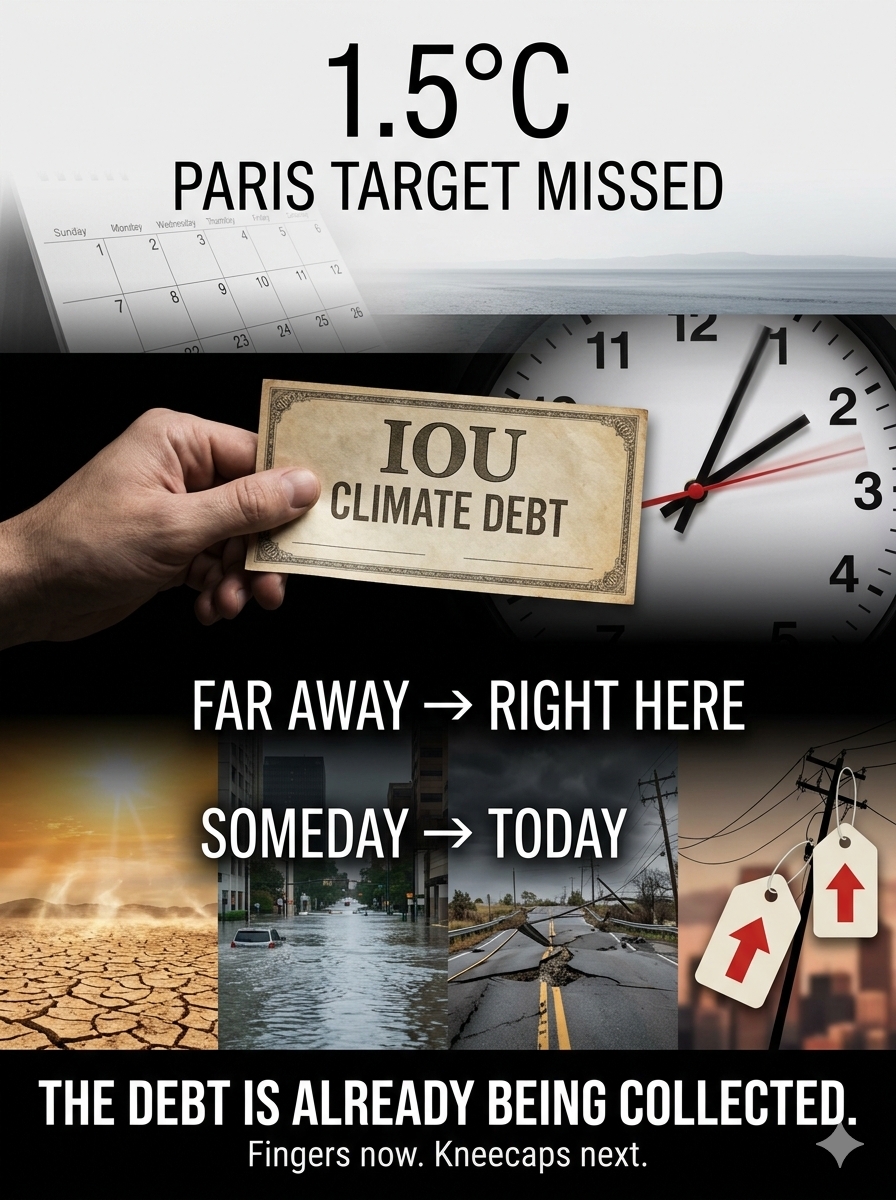
What happens when we miss the 1.5°C Paris target?
Think of it like owing money to a loan shark. The debt doesn’t wait decades to be collected.
Our fingers are being broken now. Our kneecaps are next.
One of the biggest challenges in communicating climate change is proximity—both in time and location.
If the consequences seem far away, people dismiss them. If they’re happening somewhere else, people ignore them.
But climate change is moving from:
future → present
and
somewhere else → right here.
We missed the 1.5°C Paris target. The climate debt is already being collected.
How much pain do we need to feel before we pay attention?
About the Song: Ozone = #1 Climate Gas
Ozone is usually overlooked as a greenhouse gas. Actually, tropospheric ozone sits atop the climate-change pyramid.
Why? Because ozone is both an:
ATMOSPHERIC FORCING AGENT
→ traps heat
→ drives additional warming
and an:
ECOLOGICAL FORCING AGENT
→ damages plants
→ reduces photosynthesis
→ weakens carbon sinks
→ leaves more CO₂ in the atmosphere
→ drives additional warming
FOREST DECLINE: 17%–40%
GREENHOUSE GAS: #3
Ozone doesn’t just warm the atmosphere. It can damage the biological systems that remove CO₂ from it.
OZONE = ATMOSPHERIC + ECOLOGICAL FORCING AGENT
That makes ozone one of the most important—and overlooked—climate-change agents.
Temperature rising
(Then it drops)
Weather keeps on changing
(Never stops!)
[Refrain]
The weather forecast
(Forevermore uncertain)
The whether forecast
(Nevermore… for certain)
Know what I mean?
(Extreme!)
Whether or not
(We’ve got…)
EXTREME!
(Know what I mean)
The scene:
(Extreme)
Real lean…
(On serene)
… know what I mean?
EXTREME!
[Bridge]
Whether or not…
(We’ve got!)
One thing for sure
… the future
(Bringing on the mean extreme)
… we ensure.
[Break]
[Drums Drop Out — Bass and Piano Pulse]
What’s the weather?
(Extreme!)
What’s the whether?
(Extreme!)
What’s the scene?
(Extreme!)
[Band Explodes Back In]
EXTREME!
[Refrain]
The weather forecast
(Forevermore uncertain)
The whether forecast
(Nevermore… for certain)
Know what I mean?
(Extreme!)
Whether or not
(We’ve got…)
EXTREME!
(Know what I mean)
The scene:
(Extreme)
Real lean…
(On serene)
… know what I mean?
EXTREME!
[Pre-Chorus]
Could be sunny
Could be rain
Could be calm
Could be insane
But when extremes
Keep coming through
The forecast changes
Me and you
[Final Refrain]
The weather forecast
(Forevermore uncertain)
The whether forecast
(Nevermore… for certain)
Know what I mean?
(Extreme!)
Whether or not
(We’ve got…)
EXTREME!
(Know what I mean)
The scene:
(Extreme)
Real lean…
(On serene)
… know what I mean?
EXTREME!
[Outro]
(Know what I mean)
The scene:
(Extreme)
Our dream…
(Unseen)
… know what I mean?
EXTREME!
Know what I mean?
(You know what I mean!)
The scene…
(EXTREME!)
Weather…
(Whether…)
Weather…
(Whether…)
EXTREME!
About the Song
The distinction between weather and climate has not disappeared. Weather remains the day-to-day state of the atmosphere, while climate describes long-term averages and the underlying behavior of the Earth system. What has changed is the degree to which climate is now shaping weather in real time.
As greenhouse gases accumulate and the planet stores more heat, every component of the climate system contains more energy. Warmer oceans evaporate more water, the atmosphere holds more moisture, and circulation patterns are increasingly disrupted by changes in temperature gradients between the tropics and the poles. These changes alter not only the intensity of individual weather events but also the persistence and interaction of entire weather patterns.
The result is a network of reinforcing feedbacks. A warming ocean fuels stronger atmospheric rivers and hurricanes. Droughts increase wildfire activity, while wildfire smoke alters atmospheric chemistry and solar radiation. Reduced snow and ice decrease Earth’s reflectivity, allowing additional warming. Permafrost thaw releases greenhouse gases that contribute to further warming. Each process influences others, producing cascading effects across the Earth system.
Was way off in the distance…
… now lacking resistance…
(Coming closer!)
… drawing near…
(Oh dear!)
Runaway!
(Run away!)
Oh, no…
[Verse 1]
Started with a little push
(Just a little shove)
Then it picked up speed
(That’s enough!)
Round and round
The wheels go faster
Little problem
(Becomes disaster)
Tried to stop it
(Tried to slow)
But the thing kept saying:
(No whoa, no!)
[Refrain]
Run away!
(It’s a runaway runaway)
Out of the way!
(It’s a runaway runaway)
Self-reinforcing
(History divorcing)
Oh, it’s coming this way…
(Today)
Runaway runaway
(Run away)
[Verse 2]
Yesterday was yesterday
(That’s what we say)
But yesterday’s momentum
(Is coming this way)
Cause and effect
(Effect and cause)
Round and round
(Without a pause)
What once seemed strange
(Becomes the norm)
What once was calm
(Becomes the storm)
[Refrain]
Run away!
(It’s a runaway runaway)
Out of the way!
(It’s a runaway runaway)
Self-reinforcing
(History divorcing)
Oh, it’s coming this way…
(Today)
Runaway runaway
(Run away)
[Bridge]
Is it runaway?
(Run away!)
Does it self-reinforce?
(Of course!)
… and much worse
Will tomorrow
Still follow?
(Not today!)
Run…
(Run…)
Run away…
(Away…)
(Missed the starting gun?)
Run…
(Run…)
Run away…
(Away…)
[Whispered]
One thing…
(Begets another.)
RUNAWAY!
[Final Refrain]
Run away!
(It’s a runaway runaway)
Out of the way!
(It’s a runaway runaway)
Change of course?
(… much worse)
(Better call a hearse)
[Outro]
Oh, it’s coming this way…
(Today)
[Fade out]
Runaway runaway
(Run away)
About the Song
Is Climate Change Runaway? Maybe.
Unfortunately, the underlying science increasingly points in that direction. More importantly, it highlights what may be the most critical issue facing society today: not whether climate change is occurring, but whether we are approaching thresholds beyond which many impacts become effectively irreversible on human timescales.
None of us are arguing that the entire Earth system is in a fully runaway state today. However, observations accumulated over the past four decades suggest that multiple climate indicators are accelerating faster than many earlier projections anticipated. We are also observing increasing evidence of self-reinforcing feedback loops emerging across interconnected climate, ecological, and economic systems.
The central question is no longer whether runaway behavior is possible in principle. The question is how we recognize the transition if and when enough individual subsystems enter self-reinforcing states that the larger coupled system begins exhibiting runaway characteristics of its own.
Thunder cracking
(No time backing)
Lightning flashing
Power crashing
[Refrain]
Enter in
(Begin)
Entering…
(The Rage Age)
Raging river
(Does deliver)
Raging storm
(Is the norm)
The world stage
(It’s all the rage)
The Rage Age
[Bridge]
Turn the page
(All the rage)
Is it whether?
(No, its weather)
Is it fate?
(No, too late)
It is us
(No need to discuss!)
[Break]
[Drums Drop to Half-Time]
Rage…
(Stage…)
River…
(Deliver…)
Storm…
(Norm…)
Norm…
(Warm…)
[Deep Bass Pulse]
Rage!
(Age!)
Rage!
(Stage!)
[Final Refrain]
Enter in
(Begin)
Entering…
(The Rage Age)
Raging river
(Does deliver)
Raging storm
(Is the norm)
The world stage
(It’s all the rage)
The Rage Age
Enter in!
(Begin!)
Entering…
(The Rage Age!)
[Outro]
The Rage Age…
(All the world’s the stage)
Is it coming?
(Beyond near….)
It’s here
Crude Costs
[Intro]
Crude…
(Screwed!)
Costs…
(Loss!)
How much?
Well…
(Bloody hell!)
[Verse 1]
Down at the dock
(What’s that shock?)
Tanker in the water
(Sinking like a rock?)
[Pre-Chorus]
The tank didn’t sink
(The price did rise)
Look at that number
(Before your eyes!)
Surprise
(Surprise)
[Refrain]
Ya woulda thought
(The tank sank)
You’d be at loss…
(Crude costs)
[Verse 2]
Time-charter earnings
(That’s the score)
One point two million
(Dollars a day or more!)
[Refrain]
Ya woulda thought
(The tank sank)
You’d be at loss…
(Crude costs)
[Bridge]
Did the ship sink?
(What do you think?)
It’s just the cost
(That’s lost)
[Break]
Sixteen…
Thousand…
One-point-two…
Million!
A DAY!
(In pay)
[Final Refrain]
Ya woulda thought
(The tank sank)
You’d be at loss…
(Crude costs)
Noo…
It was the cost
(That was lost)
[Outro]
Ya woulda thought
(The tank sank)
You’d be at loss…
(Crude costs)
Noo…
It was the cost
(That was lost)
[Deep Bass Hit]
Crude costs!
About the Song
Oil Shipping Costs Explode: From ~$16,000 to More Than $1.2 Million a Day
The cost of transporting crude oil by the world’s largest oil tankers has reached extraordinary levels.
On the benchmark TD3C route — a 270,000-metric-ton Very Large Crude Carrier (VLCC) traveling from the Middle East Gulf to China — daily time-charter-equivalent (TCE) earnings have surged from roughly $16,000/day in 2020 to more than $1.2 million/day in September 2026.
That is not simply a large increase. It represents an extraordinary transformation in the economics of moving oil by sea.
See Level Sinking
[Intro]
See the level…
(Of the land and the sand)
Are you thinking…
(It is sinking?)
(Sinking!)
Wait a minute…
What’s rising?
(See… the sea!)
[Verse 1]
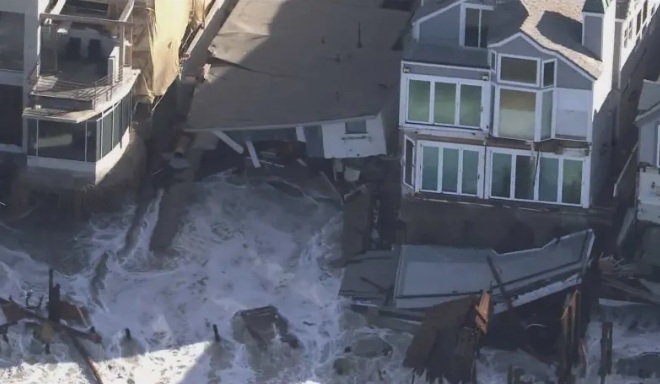
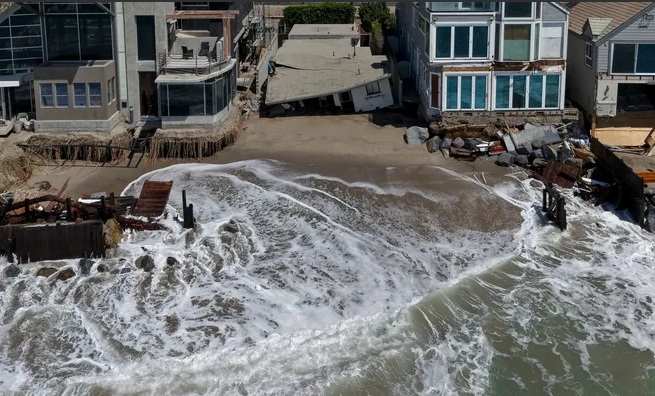
Beach Road by the ocean
(What’s going on?)
Sand is disappearing
(Where has it gone?)
Dunes are getting smaller
(Buffer wearing thin)
Southern swell is pounding
(Here it comes again!)
Big waves rolling
(Full of energy)
Higher water underneath
(That’s the synergy!)
[Refrain]
See the level sinking
(What were you thinking)
Is it at all surprising
(The sea level’s rising)
[Verse 2]
Multimillion-dollar houses
(Standing by the shore)
Pacific Ocean knocking
(Pounding at the door!)
One loses its foundation
(Another takes a hit)
The shoreline keeps retreating
(That’s the nature of it)
Sand absorbs the pounding
(Dunes absorb the flow)
Take away the buffer
(Where’s the energy go?)
[Refrain]
See the level sinking
(What were you thinking)
Is it at all surprising
(The sea level’s rising)
Wave energy pounding
(Shoreline confounding!)
[Bridge]
Can you build a wall
(Wait and watch it fall)
Against the sea?
(Can’t tempt destiny)
[Refrain]
See the level sinking
(What were you thinking)
Is it at all surprising
(The sea level’s rising)
Wave energy pounding
(Shoreline confounding!)
[Refrain]
See the level sinking
(What were you thinking)
Is it at all surprising
(The sea level’s rising)
[Break]
What’s sinking?
(The sand! The land)
What’s rising?
(See! The sea!)
What’s coming?
(The energy!)
See! (The sea!)
[Final Refrain]
See the level sinking
(What were you thinking)
Is it at all surprising
(The sea level’s rising)
See the level sinking
(Sand is retreating)
Is it at all surprising
(The waves keep repeating)
See the level sinking!
(Sinking!)
Sea level rising!
(Rising!)
[Outro]
No. It ain’t surprising
(Know the sea is rising)
About the Song
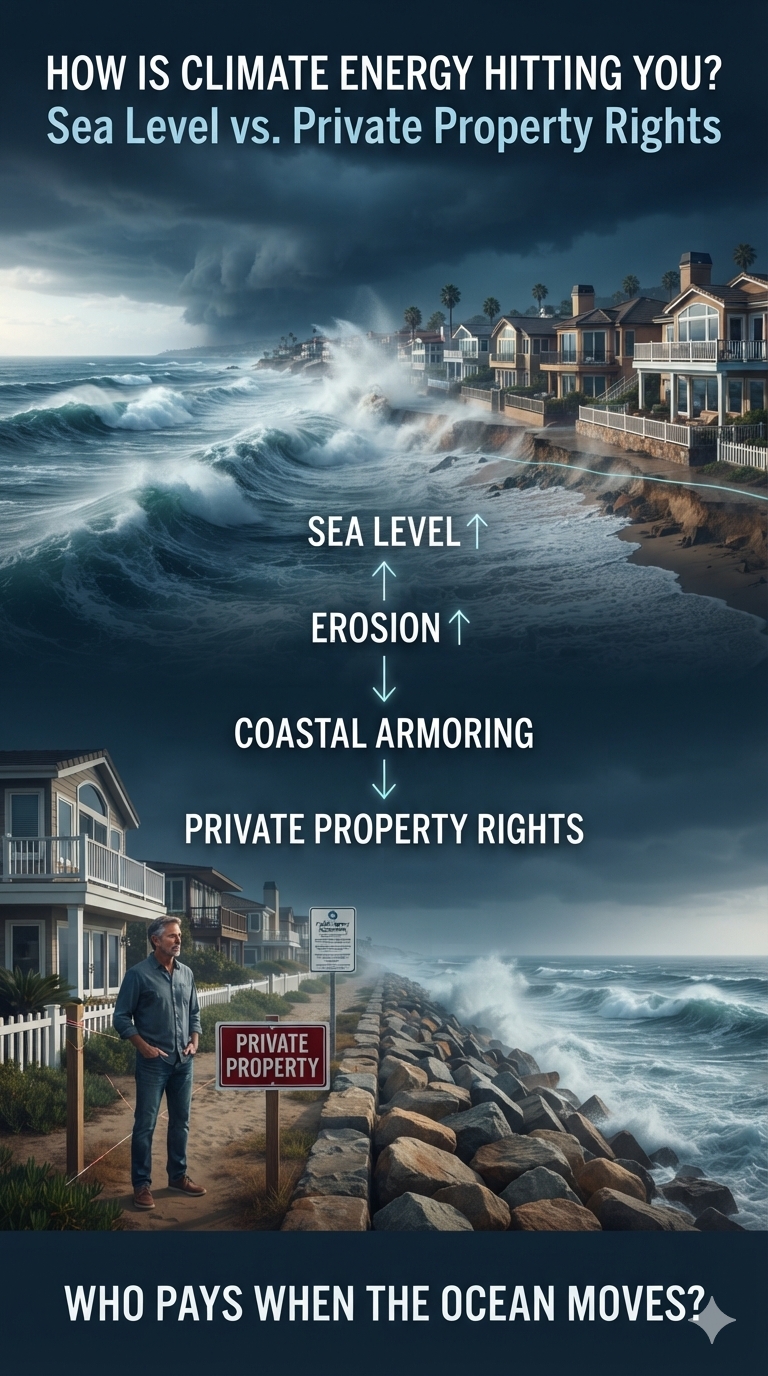
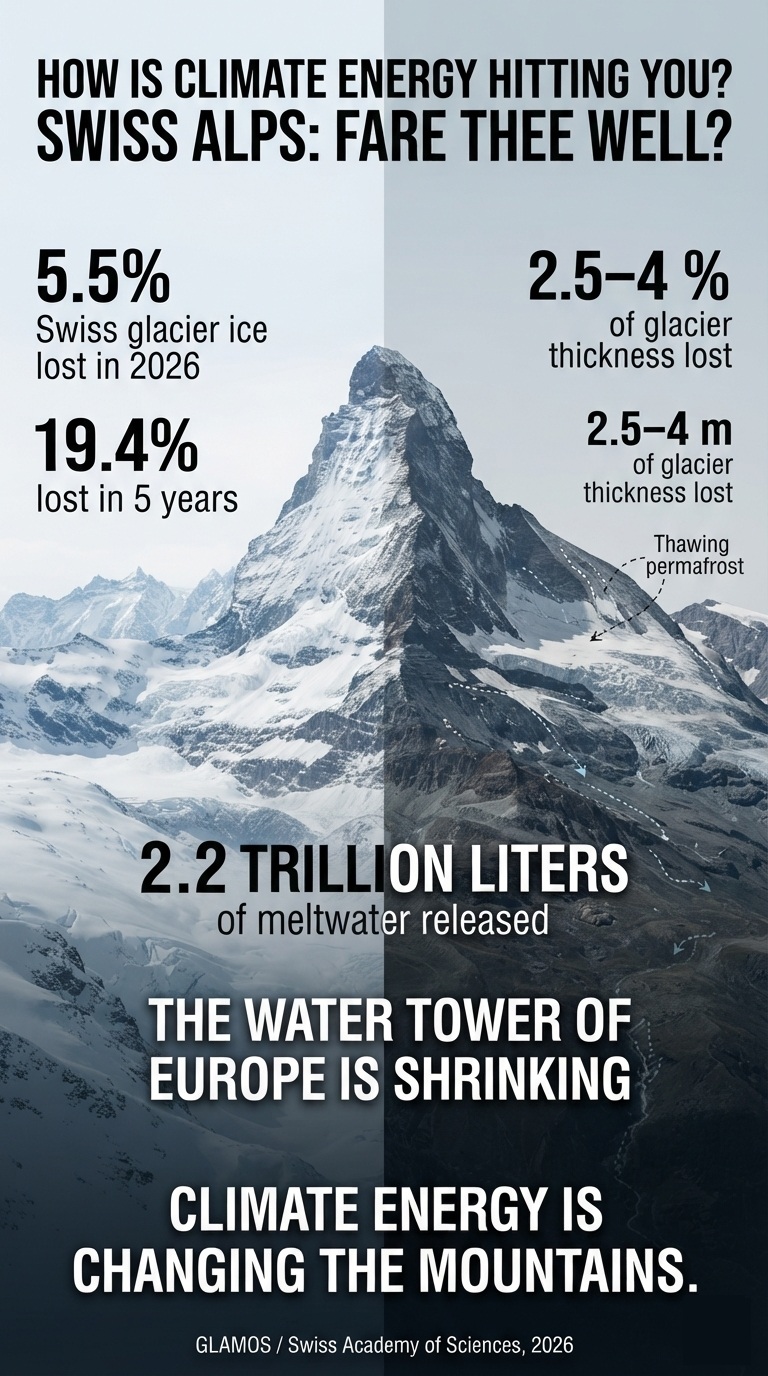
How Is the Climate Energy Hitting You? SoCal Coastal Armoring Sea Level vs. Private Property Rights = Managed Retreat
🌊 Climate energy is hitting the coast.
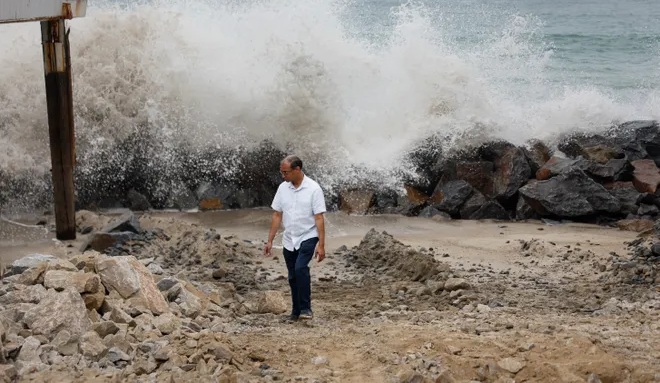
When waves encounter a hard structure instead of dissipating their energy across a gradually sloping beach, some of that energy can be reflected back toward the ocean.
That can increase scour at the base of the structure and accelerate the loss of sand immediately in front of—and adjacent to—the armored shoreline.
A difficult feedback loop can develop:
Loss of sand → greater wave energy → erosion → emergency armoring → altered wave & sediment dynamics → further beach loss
The result is a fundamental conflict:
Protect individual properties — or preserve the beach as a public resource.
🌊 Climate Change Changes the Equation
This isn’t simply a dispute over seawalls.
It’s a preview of a much larger problem.
As sea levels rise, coastal storms and extreme-wave events interact with a progressively higher baseline ocean. More energy can reach vulnerable shorelines, while the loss of beaches and dunes removes natural buffers that once absorbed part of that energy.
The physical equation is changing.
🏖️ Managed Retreat
Managed retreat may ultimately become the long-term strategy for some coastal properties.
The fundamental physical reality is simple:
You can build a wall against the ocean.
You cannot build a wall against a changing climate.
The Beach Road conflict is therefore about much more than a temporary rock wall.
It is about what happens when accelerating climate change collides with private property rights, public resources, and the physical limits of coastal engineering.
You’re getting warmer
(When we take in more)
… But can’t get out the door…
(Energy intensity)
[Verse 1]
Sunlight coming down
(Every single day)
Soaking it in…
(Can’t get away)
[Refrain]
Do we stand a chance?
(The energy imbalance)
Change in the exchange
Oh, my, my
(EEI)
Are you gonna cry
(Or will you die)
[Verse 2]
Back in the earlier days
(The balance held the line)
Then something started shifting
(A change in time)
Two thousand five
(Acceleration!)
Two thousand nineteen
(Accumulation!)
[Refrain]
Do we stand a chance?
(The energy imbalance)
Change in the exchange
Oh, my, my
(EEI)
Are you gonna cry
(Or will you die)
[Bridge]
And then…
Ice sheet
(Retreat)
Clouds thin
(An energy win)
The energy pours in
(Feedbacks begin)
Zero…
(Balance…)
Then…
A little more.
A little more.
(Than before)
A little more!
(Starts to pour)
EEI!
[Bridge 2]
Do we balance?
(Or imbalance?)
Do we adapt?
(Or collapse?)
Do we watch?
(Or act?)
Do we learn?
(Or burn?)
Oh, my, my…
[Final Refrain]
Do we stand a chance?
(The energy imbalance)
Change in the exchange
Oh, my, my
(EEI)
Are you gonna cry
(Or will we try)
[Outro]
Do we stand a chance?
(The energy imbalance)
Change in the exchange
Oh, my, my
(EEI)
Are you gonna cry
(Oh, we better try)
EEI
(EEI!)
The energy imbalance…
(Don’t take the chance)
[Deep Bass Hit]
EEI!
About the Song: The Energy Imbalance (EEI)
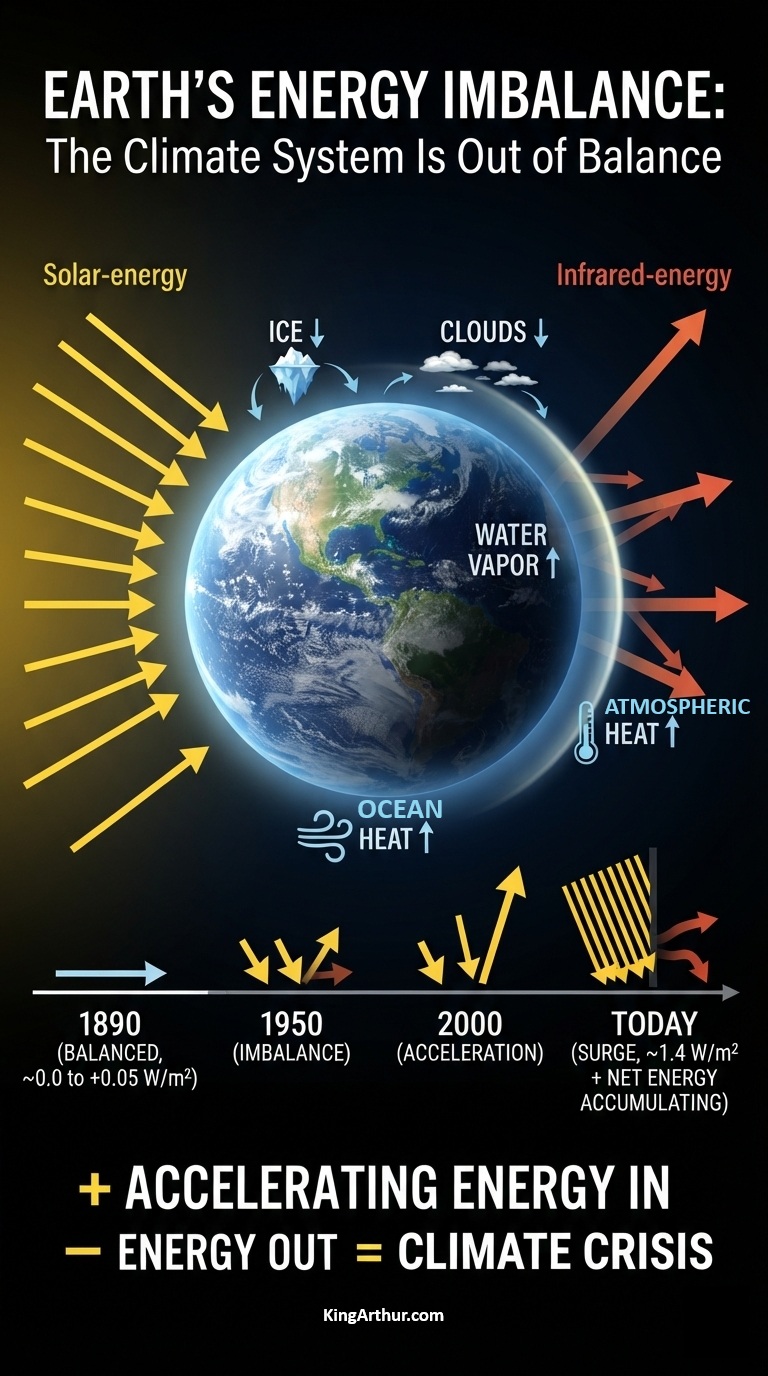
A simple way to understand climate change and global warming is through Earth’s energy balance—or, more precisely, the growing lack of balance known as Earth’s Energy Imbalance (EEI).
Earth’s climate is governed by a fundamental exchange: energy arrives primarily from the Sun, while Earth returns energy to space as reflected sunlight and outgoing infrared radiation. When incoming and outgoing energy are equal over the long term, the planet is approximately in energy balance. When more energy enters the Earth system than leaves it, the difference is stored within the climate system, producing warming.
2005–2019 (The First Acceleration)
The long-term EEI average effectively doubles compared to prior decades. Ocean heat content spikes dramatically as the oceans absorb roughly 90% of this excess energy.
2020–2023 (The Post-2020 Surge)
Slashed marine shipping pollution (IMO 2020 regulations) rapidly clears atmospheric haze over the oceans, forcing a massive, sudden spike in absorbed solar energy.
2024–Present (Nonlinear Feedback Phase)
EEI hits unprecedented, record-breaking territory. Strong climate feedbacks—such as collapsing Antarctic sea ice and thinning cloud decks—darken the planet, causing it to absorb immense amounts of solar radiation.
[Verse 3]
If you doubt the ground
(Then don’t look down)
Can’t doubt the beat
(When you move your feet!)
You don’t have to know
(The whole damn plot)
Just don’t confuse
(What is with what is not!)
[Final Refrain]
Believe it
(Or naught)
Conceive
(Reality)
Believe
(Beyond naive)
Believe it…
(Or naught…)
… is all ya got.
[Outro]
Believe it…
(Or not…)
Reality…
(Dance it out!)
Believe it…
(Or naught…)
… is all ya got.
(Naught is all you’ve got)
Naught is all you’ve got
(Naught is all you’ve got)
Dubious
[Intro]
What’s that you say?
(Dubious!)
To all of us?
(Dubious!)
You don’t believe it?
(Nope!)
You need more evidence?
(Asking at the end of your rope)
Well…
Look around!
(Found to abound)
[Verse 1]
Somebody’s standing
With their fingers in their ears
Lack of understanding
(Building on their fears)
Saying:
“It’s all coincidence!”
(For fifty years?)
[Refrain]
Dubious
(To the obvious)
Doubtful
(Of it all)
Suspicious
(Due to cluelessness)
Vanity
(Versus reality)
[Verse 2]
“Maybe it’s the sun”
(Well… some)
“Maybe it’s the clouds”
(Less sum)
[Refrain]
Dubious
(To the obvious)
Doubtful
(Of it all)
Suspicious
(Due to cluelessness)
Vanity
(Versus reality)
[Verse 3]
You move the goalpost
(Again and again)
Ask for more proof
(Back to “Begin.”)
When the proof arrives
(You change the claim)
When the claim falls apart
(… rename the game)
“It’s too complicated!”
(So I’ll just berate it.)
“Models can’t predict!”
(Models aren’t perfect!)
“Scientists disagree!”
(No. Not really.)
“No!”
(“Know!”)
[Bridge]
Is doubt the same
As disbelief?
(No!)
Is uncertainty
The same as nothing?
(No!)
Does not knowing
Everything…
Mean we know
Nothing?
(Know!)
Dubious…
(Dubious…)
To the obvious…
(Obviously)
Dubiously
(Due to cluelessness)
Obvious…
(… to all of us.)
End of oblivious
OBVIOUS!
[Verse 4]
Vanity says:
“I know better”
Reality says:
“You’re getting wetter”
Vanity says:
“Don’t tell me”
Reality says:
“Look and sea”
Vanity says:
“I’m more mighty”
Reality says:
“Meet reality!”
[Refrain]
Dubious
(To the obvious)
Doubtful
(Of it all)
Suspicious
(Due to cluelessness)
Vanity
(Versus reality)
[Bridge 2]
Maybe tomorrow
We’ll know more
(More likely tomorrow the rain will poor)
Maybe the models
Will improve
(Maybe to prove…)
POOF!
The present
(Is the proof!)
[Final Refrain]
Dubious
(To the obvious)
Doubtful
(Of it all)
Suspicious
(Due to cluelessness)
Vanity
(Versus reality)
Dubious!
(Dubious!)
To the obvious!
Doubtful!
(Doubtful!)
But after all…
(reality calls!)
[Outro]
Dubious
(To the obvious)
Doubtful
(Of it all)
Suspicious
(Due to cluelessness)
Vanity
(Versus reality)
Grigori Rasputin
[Verse 1]
Who commands man
(What a fuss, hey!)
A holy man
(Or so they say)
Into the court
(He made his way)
With mystic eyes
(And things to say)
[Refrain]
Hey! We’re disputin’
(Grigori Rasputin)
He’s no friend of the family
(No, no friend to humanity)
Is the ill
(Hard to kill)
Is that it
(He just won’t quit)
Rasputin…
(Rasputin…)
Who let him in?
(Who let him in?)
Holy man…
(Holy mess!)
Confess…
(Toxic pest!)
[Verse 2]
He had a gift
(Or so it seemed)
To calm the boy
(Or so they dreamed)
[Refrain]
Hey! We’re disputin’
(Grigori Rasputin)
He’s no friend of the family
(No, no friend to humanity)
Is the ill
(Hard to kill)
Is that it
(He just won’t quit)
[Break]
Poison!
(Still alive!)
Bullets!
(He’ll survive!)
Thrown in the water!
(But won’t dive!)
Is he dead?
(Not quite yet!)
Is he dead?
(You can bet!)
Dead?
(Alive?)
Dead?
(Alive?)
[Final Refrain]
Hey! We’re disputin’
(Grigori Rasputin)
He’s no friend to reality
(No, no friend to humanity)
Is the ill
(Hard to kill)
Is that it
(He just won’t quit)
Hey!
(Who?)
Hey!
(What?)
Rasputin!
(What a spin!)
[Outro]
Hard to kill…
(Hard to tell…)
No saint, all sinner…
(Time does tell…)
… on the way to hell
Can’t you see
(You don’t wanna be)
Grigori…
(Rasputin…)
There’s no disputin’…
(Rasputin…)
About the Song
Anti-science ideology is a growing problem in the US. One distinction that is particularly important is the difference between scientific knowledge and scientific power. The current administration is undermining scientific knowledge by promoting a false narrative about scientific power and expertise. That is particularly damaging and dangerous when it comes to dismissing climate change as a hoax and undermining confidence in vaccines and medical science.
Calling someone a “Rasputin” means they have a hidden, corrupting, or powerful influence over a leader or ruling group—usually through personal access, charm, manipulation, or secrecy.
What is particularly disturbing today is the overlap between greed and eliminationist logic. The greed component is partly reflected in the effort to portray climate change as a hoax, because acknowledging the full implications of climate science threatens enormous amounts of existing capital and economic interests.
The eliminationist component is even more disturbing. It appears in the way both climate change and public health can be viewed through a “survival of the fittest” framework—where the consequences are not treated as problems to solve, but as mechanisms for eliminating people considered weak, old, sick, or otherwise expendable.
The Epstein files provide some extraordinary evidence of this mindset. Epstein wrote:
“Maybe climate change is a good way of dealing with overpopulation—the earth’s forest fire. Potentially a good thing for the species.”
He also wrote that “executions of the elderly and infirm make sense.”
And his statement that “more CO₂ is good for plants” echoes an argument long promoted by the CO₂ Coalition: that increasing atmospheric CO₂ should be viewed primarily as beneficial because plants use it.
Taken together with the explicitly eugenic statements in the files, this goes far beyond an ordinary disagreement over climate policy. It represents what eliminationist logic: where traditional denial protects existing capital, while ecofascist or eugenic reasoning can rationalize unequal human survival.
That is why the Rasputin comparison is worth exploring. The question isn’t simply who holds power. It is also what ideas are circulating among the people who have access to that power—and what happens when enormous wealth, political influence, scientific denial, eugenics, and eliminationist thinking begin to overlap.
Ride that tide
(See ya on the flipside)
Feedin’ back
(Way back, back, back)
[Fade out]
Feedin’ back
(Way back, back, back)
Ride that tide…
(See ya on the flipside)
About the Song: Why Hasn’t There Been a Hurricane?
Climate Energy Is Being Redistributed
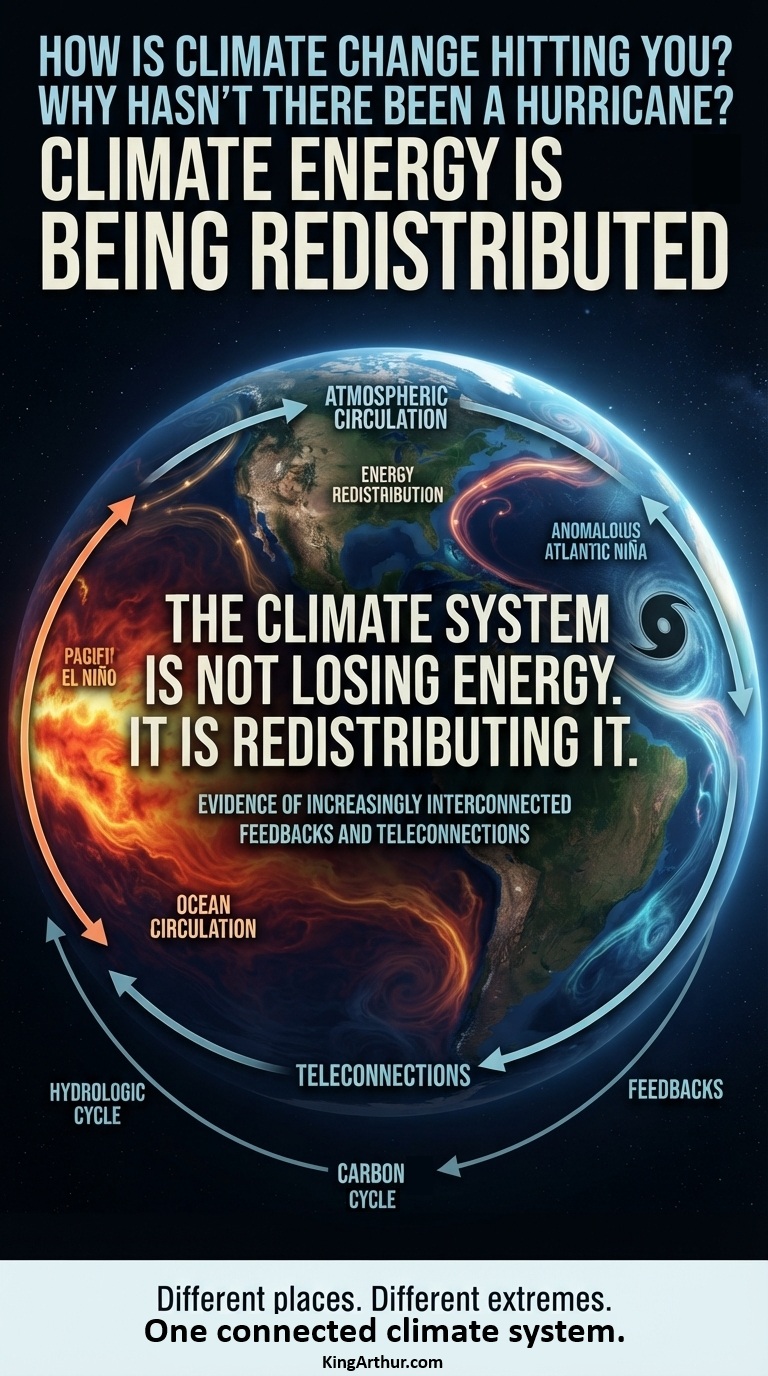
The absence of hurricanes isn’t evidence that the climate system is becoming less energetic. It is the opposite: climate energy is being redistributed in ways that produce very different outcomes in different parts of the planet.
As of September 23, the Atlantic has produced six named storms but still has produced zero hurricanes—an exceptionally delayed first hurricane. NOAA’s current summary shows Atlantic ACE about 92% below the 1991–2020 average at this point in the season.
The alarming part isn’t simply the lack of hurricanes. It’s the apparent coupling of climate patterns that historically operated more independently. I first warned about this Pacific El Niño–Atlantic Niña coupling back in May. Now, as we progress this far into the season, the observations are providing an unusually clear real-world example of how teleconnections can link distant parts of the climate system.
The simultaneous occurrence of an extreme Pacific El Niño and an anomalous Atlantic Niña represents a significant disruption of the historical baseline. NOAA reports that the El Niño is strengthening, with eastern equatorial Pacific sea-surface temperatures already more than 3°C above average.
An Atlantic Niña can suppress Atlantic hurricane development through increased atmospheric stability and wind shear. So there is a relatively straightforward physical explanation for the quiet Atlantic. But I think the deeper question is why these large-scale ocean–atmosphere patterns are coupling so strongly in the first place.
That’s where climate-acceleration research comes in. I see this as evidence worth watching for increasingly interconnected feedbacks and teleconnections—changes in ocean circulation, atmospheric circulation, energy redistribution, and the hydrologic and carbon cycles that can influence one another across ocean basins.
In other words, the absence of hurricanes isn’t evidence that the climate system is becoming less energetic. It is the opposite: climate energy is being redistributed in ways that produce very different outcomes in different parts of the planet.
It may manifest as a powerful, rare September nor’easter hitting the Jersey Shore.
About the Song
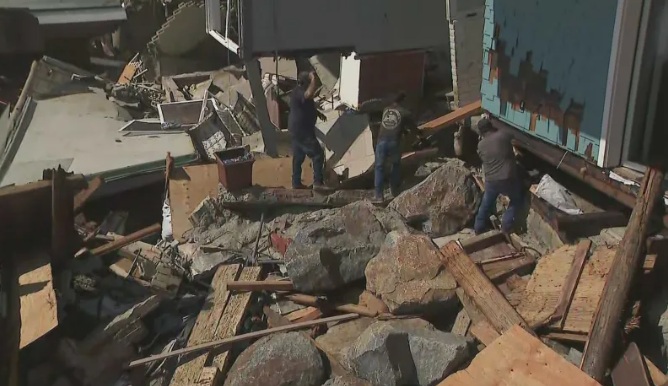
Climate change and coastal impacts are becoming a big problem along the Southern Jersey Shore, with the barrier-island towns taking the brunt of the punishment. Federal funding for beach nourishment has also become much more limited, and sand itself is becoming a finite commodity.
The next couple of days should be an interesting experiment. A powerful, rare September nor’easter is hitting the Jersey Shore tonight, bringing widespread coastal flood warnings, dangerous surf, and wind gusts up to 50 mph. The National Weather Service has issued a Coastal Flood Warning for Atlantic, Cape May, Ocean, and southeastern Burlington counties from Wednesday afternoon through early Saturday morning. The system is also coinciding with an approaching full moon, which can significantly exacerbate tidal flooding across vulnerable shorelines, coastal roadways, and back bays.
At some point, we’re going to reach a hard physical and economic limit. You can keep pumping sand onto a beach, but you can’t manufacture an unlimited supply of sediment or indefinitely out-engineer rising seas and increasingly energetic storms.
The question may eventually stop being, “How much will it cost to save the beach?” and become, “How long can we realistically keep trying?”
Gather the Pieces
[Verse 1]
Something broke
(There she goes)
Another crack
(Off the track)
Pieces flying
(Through the air)
Who’s collecting?
(Who’s aware?)
[Pre-Chorus]
Hold on tight
(Do what’s right)
Find the thread
(Before it’s dead)
[Refrain]
Extreme scream
(Never ceases)
Better gather the pieces
(Rather scatter the peaces)
You know
(An inflow)
And… let ‘er go
(Shine what’s fine)
[Verse 2]
Storm comes in
(Here we go)
Takes a turn
(Watch it flow)
[Refrain]
Extreme scream
(Never ceases)
Better gather the pieces
(Rather scatter the peaces)
You know
(An inflow)
And… let ‘er go
(Shine what’s fine)
Gather!
(The pieces!)
Scatter!
(The peaces!)
Peace!
(The peaces!)
Piece!
(The pieces!)
[Bridge]
Inflow
(Outflow)
Push and pull
(Watch know grow)
Shine what’s fine
(Down the line)
Let ‘er flow
(And let it go)
[Refrain]
Extreme scream
(Never ceases)
Better gather the pieces
(Rather scatter the peaces)
You know
(An inflow)
And… let ‘er go
(Shine what’s fine)
[Final Refrain]
Extreme scream
(Never ceases)
Better gather the pieces
(Rather scatter the peaces)
You know
(An inflow)
And… let ‘er go
(Shine what’s fine)
[Outro]
Extreme scream
(Never ceases)
Aware of the pieces
(Share the peaces!)
There’s no denying
(Your denying is lying)
Causing harm
(Turning off the alarm)
[Outro]
The situation’s dire
(Fire! Fire! Fire!)
Temperatures going higher
(Fire! Fire! Fire!)
Domino…
(After domino)
Down we go
(Down below)
About the Song
UK Climate Security: From Suppression to the Domino Effect
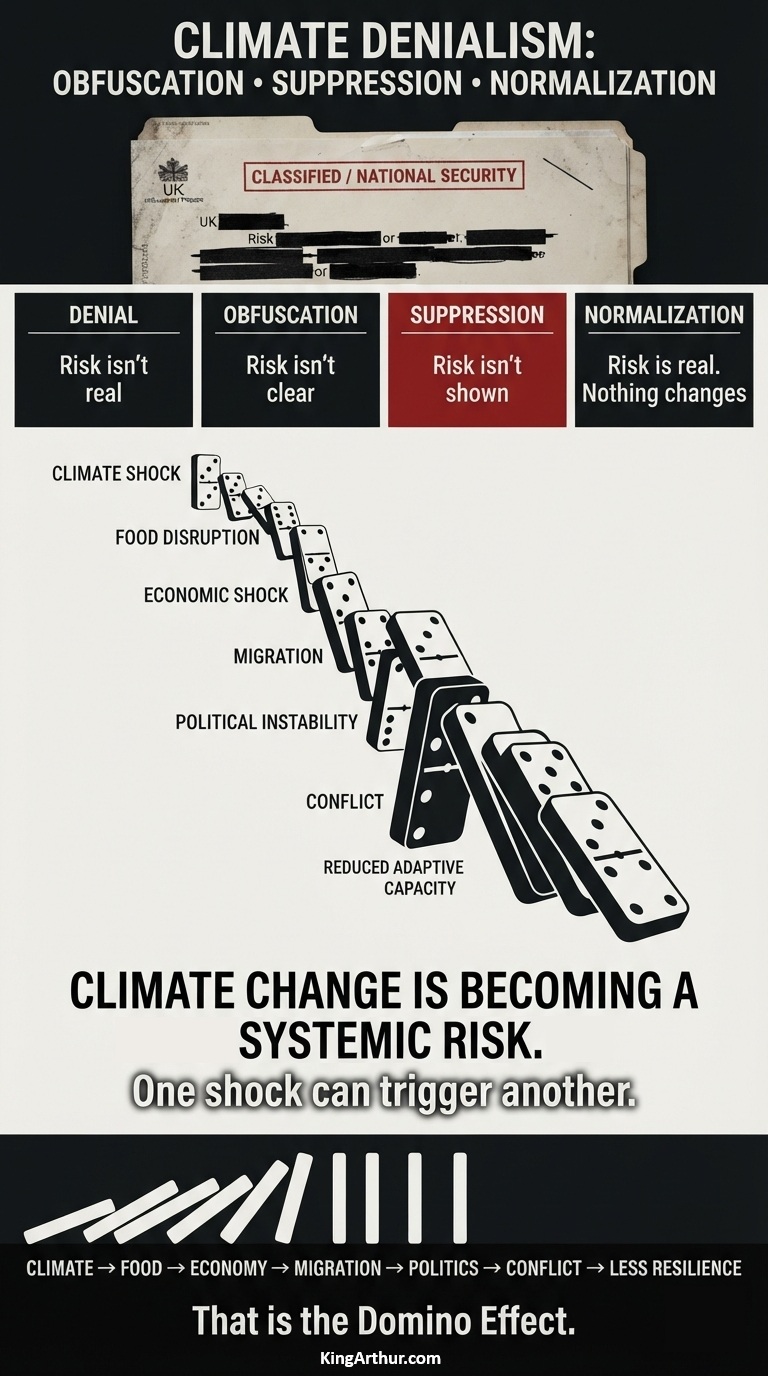
Climate change is increasingly moving from the category of environmental problem into the category of systemic risk.
A recently reported UK national-security assessment warned that climate and ecological disruption can cascade across borders—affecting food security, economies, migration, and political stability.
The problem is not simply the initial climate shock.
That is the Domino Effect. Denialism has become part of the feedback loop—delaying recognition, obstructing action, weakening resilience, and ultimately amplifying the consequences and accelerating the climate crisis.
The four stages of climate information failure are also important:
Denial — “The risk isn’t real.”
Obfuscation — “The risk isn’t clear.”
Suppression — “The evidence isn’t shown.”
Normalization — “The risk is real, but nothing fundamentally changes.”
When systemic risks are fragmented, delayed, or hidden from public discussion, society loses valuable time to prepare.
Climate risk is no longer just about what happens to the climate.
It is about what climate disruption does to everything connected to it.
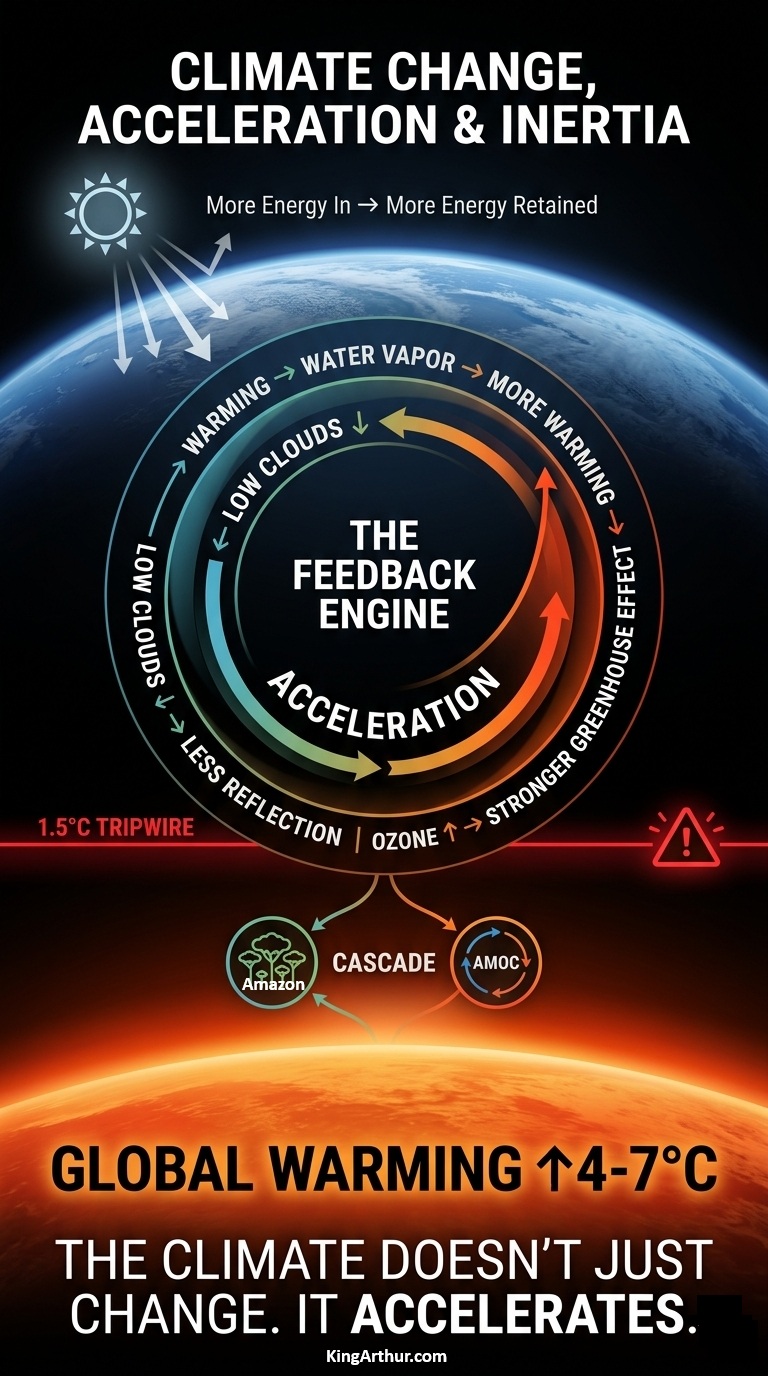
These feedbacks don’t operate independently. They interact, couple, and reinforce one another.
That changes the mathematics of climate change.
The 1.5°C threshold is not simply a number on a thermometer. It is a tripwire for a climate system increasingly dominated by feedbacks and nonlinear responses.
The result is a new climate reality:
ACCELERATION + COUPLING + INERTIA
The question is no longer simply how much greenhouse gas humans emit. It is how quickly the climate system begins amplifying the warming we have already created.
Having tripped the 1.5°C tripwire, both the acceleration and inertia of climate change have created a new reality. The most likely scenario is global warming of approximately 4°C this century. If humanity does not reach net zero by 2035, approximately 4–7°C of warming by 2150 becomes the most likely scenario.
[Intro]
They said it was distant
(Too far away)
Something for tomorrow
(Not today)
But tomorrow came knocking
(On the front door)
And suddenly the mocking
(Costs a little more)
[Verse 1]
The roof needs fixing
(The storm came through)
The premium’s rising
(What can you do?)
The insurer’s nervous
(So am I)
The policy’s canceled
(Well, goodbye!)
[Refrain]
What will change you, honey?
(Money!)
Need some assurance
(About insurance)
And the fate
(Of the interest rate)
Taxes are taxing me
(Climate reality)
What will change you, honey?
(Money!)
[Verse 2]
Mortgage payment climbing
(The rate went high)
Climate risk pricing
(You wonder why)
The lender’s calculating
(The risk in the loan)
Location, exposure
(You’re on your own?)
Higher cost of capital
(Higher cost of debt)
When risk gets repriced
(You ain’t seen nothing yet)
A house isn’t just a house
(It’s an asset, you see)
It’s weather, water, wildfire
(And geography)
[Pre-Chorus]
You can ignore
(A temperature chart)
You can debate
(The science part)
But when the bill
(Comes through the door)
You start asking
(What was this for?)
[Refrain]
What will change you, honey?
(Money!)
Need some assurance
(About insurance)
And the fate
(Of the interest rate)
Taxes are taxing me
(Climate reality)
What will change you, honey?
(Money!)
[Bridge]
Climate change
(Prices rearrange)
Risk becomes
(A financial cost)
And the cost becomes
(A consumer loss)
[Break]
What happens
(When the wallet feels it?)
What happens
(When the market reveals it?)
What happens
(When the numbers don’t lie?)
You can close your eyes
(But when the bill comes… you cry!)
[Refrain]
What will change you, honey?
(Money!)
Need some assurance
(About insurance)
And the fate
(Of the interest rate)
Taxes are taxing me
(Climate reality)
What will change you, honey?
(Money!)
[Final Chorus]
Climate short changed
(Short changed!)
Paying for the weather
(Again and again)
Climate short changed
(Short changed!)
Everywhere you turn
(It’s the cost of the trend)
[Final Refrain]
What will change you, honey?
(Money!)
Need some assurance
(About insurance)
And the fate
(Of the interest rate)
Taxes are taxing me
(Climate reality)
[Outro]
What will change you, honey?
(Money!)
Climate short changed
(Deranged!)
You don’t need to love it
(You don’t need to hate)
You don’t even have to
(Participate)
But if the price keeps rising
(You’ll probably find)
Climate change
(Has changed your mind)
Climate short changed
(Short changed…)
Money…
(Honey…)
See…
(Climate reality.)
About the Song
When Climate Change Hits the Wallet: Insurance, Interest Rates, and Taxes
What will actually change consumer behavior when it comes to climate change?
💰 Money.
Insurance. Interest rates. Taxes.
For years, climate change was largely treated as an environmental issue. But that is changing as climate risk increasingly enters the household economy.
🏠 Insurance premiums and availability are being affected by rising climate risks.
💰 Climate-related economic and fiscal pressures are affecting the cost of capital.
🧾 The growing costs of climate damage, adaptation, infrastructure, and energy transition are increasingly flowing through tax systems.
These forces can reinforce one another:
Climate change → financial disruption → higher household costs → changed consumer behavior
Consumers may ignore a temperature graph. They are much less likely to ignore an insurance cancellation, a higher mortgage payment, or a rising tax bill.
Climate change does not have to be universally accepted before it changes behavior.
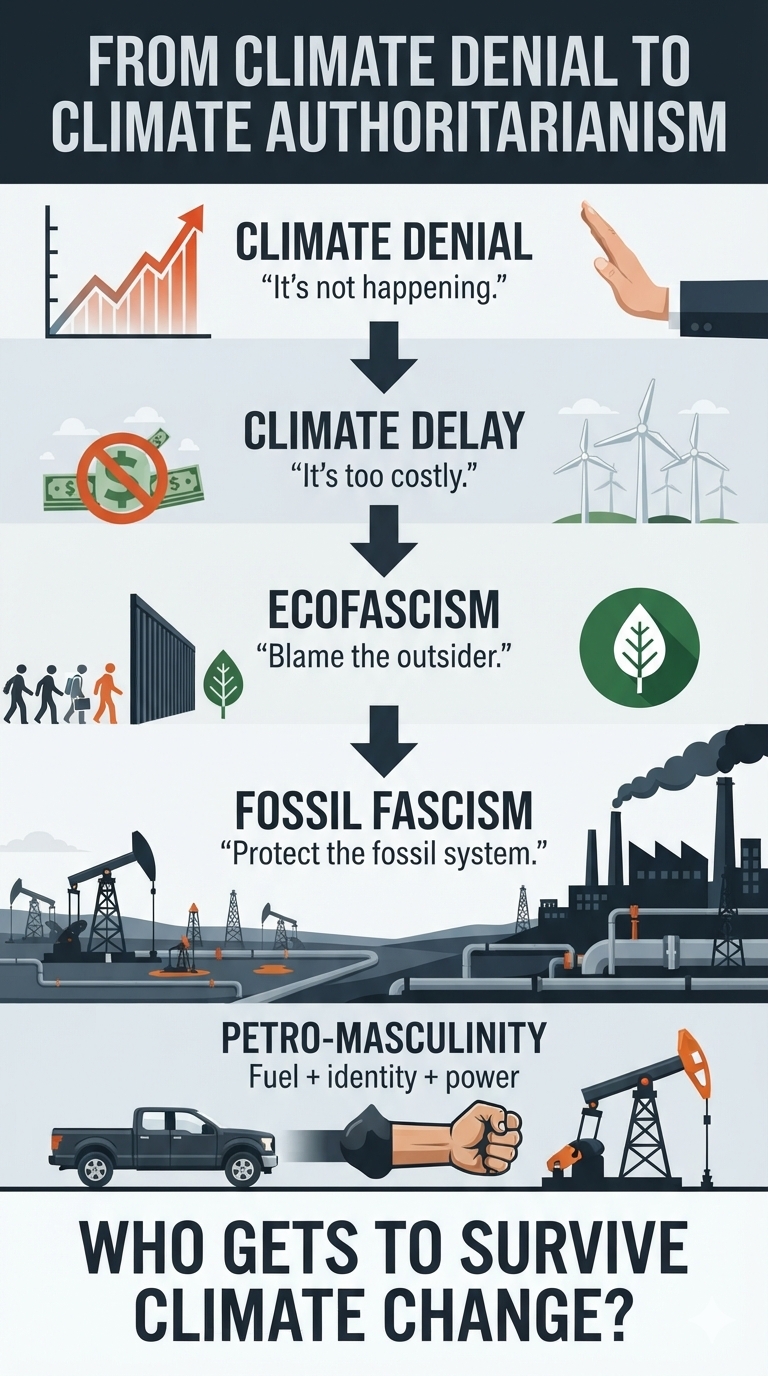
These aren’t interchangeable terms. Each describes a different way climate change, energy, identity, economics, and political power can become intertwined.
The central question is increasingly not simply whether the climate is changing—but how society explains the change, assigns responsibility, and responds to it.
Who gets to survive climate change?
Climate misinformation is no longer limited to simply denying that the planet is warming. As climate change becomes increasingly difficult to dismiss, the political narratives surrounding it have evolved—from outright denial, to attacks on climate science, to opposition to climate policy, and, in more extreme forms, to narratives that blame immigrants and other marginalized populations for environmental decline.
These narratives are not identical. They operate through different mechanisms and identify different enemies. But they can overlap, creating a broader political strategy in which climate science, energy policy, immigration, race, gender, and national identity become interconnected.
The International Panel on the Information Environment’s 2025 assessment concluded that powerful actors—including corporations, governments, and political parties—intentionally spread inaccurate or misleading narratives about anthropogenic climate change, contributing to declining public trust and political inaction.
[Verse 1]
First they say
(It isn’t real)
Nothing here
(That you can feel)
Just a cycle
(Just the weather)
Nothing’s changing
(Not together)
[Refrain]
Denial and delay
(Can’t last another day)
The cost too high to pay
(Denial and delay)
… just go away
[Verse 2]
Then the story
(Starts to change)
Now that warming
(Isn’t strange)
[Refrain]
Denial and delay
(Can’t last another day)
The cost too high to pay
(Denial and delay)
… just go away
[Bridge]
Is it denial?
(Is it delay?)
Is it doubt?
(Or a way?)
What uncertainty
(Do we stress?)
What consequences
(Do we suppress?)
[Refrain]
Denial and delay
(Can’t last another day)
The cost too high to pay
(Denial and delay)
… just go away
[Break]
Go away
(You can’t sway)
Denial
(Go away)
… you can’t stay
[Outro]
Denial and delay
(Can’t last another day)
The cost too high to pay
(Denial and delay)
You can look away
(But it won’t go away)
You can say
(Just go away)
But the world won’t
(Go away)
[Outro]
Denial and delay
(Can’t last another day)
The cost too high to pay
(Denial and delay)
… just go away
About the Song
Climate Denial and Climate Delay
The most familiar form of climate misinformation is outright denial: rejecting the existence, severity, or human cause of climate change.
Political rhetoric has also attacked renewable energy through claims that wind turbines, solar power, or other clean-energy technologies are inherently dangerous or economically destructive. Some of these claims have been challenged by scientific evidence, while others involve legitimate questions about environmental impacts that require quantitative comparison rather than political rhetoric.
As public acceptance of climate change has increased, however, the political emphasis has increasingly shifted from denying the problem to opposing proposed solutions. Researchers commonly describe this strategy as climate delay.
The basic argument changes from:
“Climate change isn’t happening.”
to:
“Climate change may be happening, but addressing it will cause even greater economic or social damage.”
This framing can emphasize immediate costs—higher energy prices, job losses, grid reliability, restrictions on vehicles or industrial activity—while giving less attention to the long-term economic costs of continued warming.
Government-sponsored challenges to climate science
A prominent recent example was the U.S. Department of Energy’s July 2025 publication of A Critical Review of Impacts of Greenhouse Gas Emissions on the U.S. Climate. The report was produced by five scientists assembled by Energy Secretary Chris Wright and argued, among other things, that the economic damages from CO₂-induced warming may be smaller than commonly believed and that aggressive mitigation policies could be more harmful than beneficial.
Carbon Brief subsequently conducted a detailed fact-check with climate scientists and reported more than 100 statements it characterized as false or misleading, including claims involving the economic consequences of climate change, extreme weather, and the interpretation of scientific literature.
The significance of such disputes is not simply whether individual claims are correct. It is also about which scientific evidence is selected, which uncertainties are emphasized, and how those choices are translated into public policy.
Scapegoat
[Verse 1]
Ridin’ down the road
(He’s ridin’ his scapegoat)
Looking to blame
(Offload his shame)
Too many people
(Too many mouths)
Too many strangers
(From the south)
Point at the stranger
(Point and accuse)
Pick out an enemy
(Somebody to lose)
[Refrain]
Road in to town
(Ridin’ his scapegoat)
Deny what’s goin’ down
(Livin’ life cutthroat)
The Titanic Band
(Playin’ lifeboat ethics)
Man’s damned demand
(Is not joyful music)
Who gets to survive
(Arrive alive)
After what you’ve said
(We’ll all be dead)
[Verse 2]
“Overpopulation!”
(That’s the refrain)
“Too many people!”
(Again and again)
But who consumes
(And who consumes more?)
Who burns the fuel
(And who owns the store?)
[Refrain]
Road in to town
(Ridin’ his scapegoat)
Deny what’s goin’ down
(Livin’ life cutthroat)
The Titanic Band
(Playin’ lifeboat ethics)
Man’s damned demand
(Is not joyful music)
Who gets to survive
(Arrive alive)
After what you’ve said
(We’ll all be dead)
[Bridge]
This is the transformation
(Watch the meaning change)
Man’s devolution
From:
“What can we do?”
(To:)
“I’m blaming you”
[Break]
Scapegoat!
(Scape-goat!)
Ride it down
(Ride it out)
Shout it out!
(Scape-goat!)
What are you thinking…
(The ship is sinking)
[Final Refrain]
Road in to town
(Ridin’ his scapegoat)
Deny what’s goin’ down
(Livin’ life cutthroat)
The Titanic Band
(Playin’ lifeboat ethics)
Man’s damned demand
(Is not joyful music)
[Outro]
Who gets to survive
(Arrive alive)
After what you’ve said
(We’re all going to be dead)
Who gets to survive
(Who gets to thrive)
[Fade out]
Who gets to survive?
About the Song
Ecofascism: Climate Change as a Scapegoating Narrative
Ecofascism represents a fundamentally different approach.
Rather than denying climate change, ecofascist narratives accept environmental collapse but attribute it to supposedly undesirable populations—particularly immigrants, refugees, or people in the Global South.
The “overpopulation” narrative
One recurring theme is the claim that environmental degradation is primarily caused by population growth among poorer or non-white populations.
This can obscure the enormous differences in consumption and greenhouse-gas emissions between populations. High-income populations have historically produced far greater per-capita emissions than the world’s poorest populations.
The political transformation occurs when legitimate concerns about ecological limits are converted into arguments about which people supposedly deserve access to resources.
Blaming immigrants for environmental degradation
A related narrative links immigration directly to pollution, resource depletion, or greenhouse-gas emissions.
This is sometimes described as eco-bordering: using environmental concerns to justify more restrictive borders.
The danger of this framing is not the discussion of the environmental consequences of population growth or migration itself. Those are legitimate subjects for analysis. The problem arises when immigrants are treated as the primary ecological threat while the much larger effects of industrial energy systems, fossil-fuel consumption, land use, and unequal resource consumption are displaced from the discussion.
“Lifeboat ethics”
At its most extreme, ecofascist thinking adopts a form of “lifeboat ethics”: the assumption that resources are becoming so scarce that societies must protect their own populations by excluding outsiders.
Climate disasters can intensify this mentality. As droughts, floods, heat waves, sea-level rise, and food insecurity increase displacement, refugees can be portrayed not as people affected by climate change but as the cause of further environmental decline.
In its most extreme forms, this worldview has intersected with white-supremacist and accelerationist movements. Researchers have documented cases in which perpetrators of mass violence invoked “Great Replacement” ideas alongside environmental or resource-based fears.
The resulting political question changes from:
How do we respond to climate change?
to:
Who gets to survive climate change?
That is a profound shift in the political meaning of climate change.
Fossil Fascism
[Intro]
Hut, 2, 3, 4
(Tell that lie once more)
Hut, 2, 3, 4
(Throw a stone then shut the door)
Once more…
(Hut, 2, 3, 4)
[Verse 1]
Black smoke rising
(From the ground)
Power building
(All around)
Dig it deeper
(Pump it out)
Don’t ask questions
(Don’t you doubt)
[Pre-Chorus]
Mentally ill
(Drill, baby, drill)
Rotten soul
(Gonna take a toll)
[Refrain]
Fossil fascism
(Drivin’ the schism)
Blood and soil
(Souls you’ll spoil)
Black fuel
(Fossil fool)
Mentally ill
(Drill, baby, drill)
Rotten soul
(Gonna take a toll)
About the Song
Fossil Fascism: Protecting Fossil Capital
Fossil fascism is related to, but distinct from, ecofascism.
The term has been used by scholars studying the intersection of fossil-fuel dependence, authoritarian politics, nationalism, racism, and opposition to climate action. Recent scholarship defines fossil fascism as a political, legal, and cultural system centered on an ultra-nationalist defense of fossil-fuel extraction while suppressing opposition to it.
In simplified terms:
Ecofascism accepts ecological crisis but blames the “outsider.”
Fossil fascism protects the fossil-fuel system and attacks those who seek to change it.
From “Blood and Soil” to “Black Fuel”
The historical roots of ecofascist thought are often connected to European romantic nationalism and the “Blood and Soil” tradition, in which land, national identity, and racial identity became intertwined.
Fossil fascism has a different historical lineage.
Political scientist Cara Daggett and other scholars have used the concept to examine the relationship between fossil fuels, authoritarian politics, nationalism, and racialized power. Andreas Malm and the Zetkin Collective further developed the concept in White Skin, Black Fuel, connecting fossil-fuel development to the history of European imperialism, colonialism, and racial hierarchy.
The underlying argument is that fossil fuels are not simply an energy source. They can also become embedded in political institutions, economic power, national identity, and cultural ideas about social hierarchy.
Petro-Masculinity
[Intro]
Big truck
(Dumb fu, fu, luck)
[Verse 1]
Big truck
(Big smoke)
Big voice
(Big joke)
Rollin’ coal
(Black cloud)
Make it loud
(Make us proud?)
Gasoline
(So cheap)
Burn it deep
(Never sleep)
Chrome and steel
(That’s the deal)
Manly wheels
(How ya feel?)
[Pre-Chorus]
It’s more than fuel
(More than a ride)
It’s an identity
(You wear it with pride)
Don’t touch my truck
(Don’t touch my way)
Don’t tell me
(How I should play)
Big truck
(Dumb fu, fu, buck)
Shout it out:
Big truck!
(Dumb fu, fu, bluck)
[Refrain]
Petro-Masculinity
(Testosterone insanity)
Blowin’ smoke
(Up yer ass)
Noose tied rope
(“Do not pass”)
About the Song
Petro-Masculinity: The Cultural Engine
A related concept helps explain the cultural dimension of fossil-fuel politics: petro-masculinity.
Political scientist Cara Daggett introduced the term in her 2018 paper Petro-Masculinity: Fossil Fuels and Authoritarian Desire. Daggett argues that fossil-fuel systems can become connected not only to economic interests but also to identity, masculinity, authority, and resistance to social change.
The central idea is that fossil fuels can represent more than energy.
They can represent:
independence
personal freedom
economic security
traditional gender roles
national power
resistance to perceived cultural change
Fossil-fuel identity
During the twentieth century, American masculinity became closely associated with breadwinning, industrial employment, suburban development, automobile ownership, and inexpensive gasoline.
As a result, challenges to fossil-fuel consumption can sometimes be interpreted culturally rather than simply economically.
An electric vehicle, public transportation, reduced meat consumption, or restrictions on fossil-fuel use can be portrayed not merely as policy choices but as attacks on traditional identity.
This helps explain the cultural significance of behaviors such as “rolling coal,” in which modified diesel vehicles deliberately produce large quantities of exhaust smoke. The behavior can function as a form of political or cultural expression rather than transportation alone.
Petro-masculinity and authoritarianism
Daggett’s framework connects fossil-fuel dependence with authoritarian desire, particularly where climate action is interpreted as a threat to established gender roles, economic autonomy, or social status.
The connection to fossil fascism can therefore be understood at two levels:
Petro-masculinity is the cultural and identity dimension.
Fossil fascism is the political and institutional dimension.
The former can help create emotional resistance to changes in the energy system; the latter describes political structures and movements that defend fossil-fuel power.
Cognitive Ability
Think…
(Before you blink)
What makes us believe…
(You can conceive?)
Cognitive ability
(Showin’ off its fragility)
[Verse 1]
There’s a world of information
(Coming through the door)
But more information
(Doesn’t always mean more)
You can know the facts
(And still deny)
You can see the evidence
(And ask why?)
Simple little stories
(Can be easy to believe)
Complex little systems
(Are harder to perceive)
[Refrain]
Not simply ignorance
(Often it’s more)
Lacking any tolerance
(Preferring blood and gore)
Cognitive ability
(Lacking sensibility)
Christian nationalism
(Lacking humane vision)
[Verse 2]
A thermometer says one thing
(A politician says another)
A scientist shows the evidence
(Nature is our mother)
Trust becomes the battlefield
(Who do you believe?)
The institution gets rejected
(Because you don’t agree)
[Pre-Chorus]
If the story fits the identity
(The evidence can wait)
If the evidence threatens identity
(It becomes something to hate)
[Refrain]
Not simply ignorance
(Often it’s more)
Lacking any tolerance
(Preferring blood and gore)
Cognitive ability
(Lacking sensibility)
Christian nationalism
(Lacking humane vision)
Less capacity…
(Complicates complexity)
Lacking cognition
(Void of any wisdom?)
Think!
(Before you blink)
Question!
(Your education)
… or lack thereof
(And what about love?)
[Pre-Chorus]
And that’s where intuition
(Can lead you astray)
Because complicated systems
(Don’t always behave that way)
[Refrain]
Not simply ignorance
(Often it’s more)
Lacking any tolerance
(Preferring blood and gore)
Cognitive ability
(Lacking sensibility)
Christian nationalism
(Lacking humane vision)
Cognition…
What can you process?
(More or less)
Recognition…
(Of what you possess)
Cognitive ability
(Showin’ off its fragility)
[Final Bridge]
[Band Builds / Crowd Vocals]
Think beyond the tribe!
(Think to what you proscribe!)
Think beyond the certainty
(… till you find clarity)
[Final Refrain]
Not simply ignorance
(Often it’s more)
Lacking any tolerance
(Preferring blood and gore)
Cognitive ability
(Lacking sensibility)
Christian nationalism
(Lacking humane vision)
[Outro]
Not simply ignorance
(If it’s on purpose)
Not simply intelligence
(If you choose to lose)
Cognitive ability
(Needs humility)
Reasoning without reflection
(Can become a weapon)
Cognitive ability
(Showin’ off its fragility)
[Final Whisper]
Cognitive ability…
(Needs humane vision.)
Face-to-face reality
(Moral of the lesson)
About the Song
Cognitive Ability, Christian Nationalism & Climate Change Denial
A 2026 study by sociologist S. L. Perry finds a significant negative association between verbal cognitive ability and Christian nationalist beliefs in the United States.
That finding raises an important question:
What does cognition have to do with climate change denial?
Climate science is extraordinarily complex. Understanding it requires processing interconnected systems, probabilities, feedbacks, long-term trends, and evidence that cannot simply be evaluated through everyday experience.
This creates several pathways toward climate skepticism:
🧠 Intuitive thinking can favor simple narratives over complex scientific evidence.
✝️ Christian nationalist ideology can reinforce distrust of secular scientific and academic institutions.
🛡️ Motivated reasoning can allow people with substantial cognitive ability to construct sophisticated defenses of beliefs that are deeply connected to their political, religious, or cultural identity.
The result is a paradox: Less cognitive capacity can make complex science harder to process. Greater cognitive capacity can make existing beliefs harder to dislodge.
The problem is therefore not simply ignorance.
It is the interaction of cognition, ideology, identity, institutional trust, and reasoning.
[Refrain]
Hey…
(What can I say?)
Hum a na, hum a na
(Da doi, da dum)
0 + 0 = some
(Brain’s numb)
Da doo, da doi
(Ohhh… oh boy)
[Refrain]
Hey…
(What can I say?)
Hum a na, hum a na
(Da doi, da dum)
[Outro]
Just a man
(Can’t understand)
My own damned demand
(Hey, hey, hey!)
What can I say…
(Maybe another day.)
Takeover
[Intro]
Look around
(What’s that sound?)
Something’s changing
(And rearranging)
Up above
(From below)
Something’s moving
(Where’d it go?)
The sky is wide
(The world is turning)
Nothing to hide
(The future’s burning)
[Verse 1]
It came in slowly
(Then all at once)
Quietly growing
(Some sort-a cosmic response)
[Refrain]
The atmosphere
(Of fear)…
Did disappear
It’s a takeover
(The future… is sure…)
Taking over the present
(Heaven sent!)
Thanks for giving us…
This fine time!
(It’s fabulous!)
[Verse 2]
Take over the seasons
(Take over the flow)
Take over the reasons
(We thought we should know)
[Bridge]
Is war or peace…
(In the atmosphere!)
Fears release…
(Or fears near?)
[Refrain]
The atmosphere
(Of fear)…
Did disappear
It’s a takeover
(The future… is sure…)
Taking over the present
(Heaven sent!)
Thanks for giving us…
This fine time!
(It’s fabulous!)
[Outro]
Take over
(Discover)
Takeover
(Uncover)
The future
(Is sure)
Present
(A present)
… of the present.
The atmosphere
(Is here)
The takeover
(Is now)
Thanks for giving us…
This fine time!
(It’s fabulous!)
…Absolutely fabulous.
The Future of Humanity
[Verse 1]
Can you see reality
(It’s coming into view)
A world that’s getting hotter
(What are we gonna do?)
[Refrain]
Can you see reality
(The future of humanity)
Travesty of our trajectory
(We’ll go down in history)
[Verse 2]
Eight billion people
(Need more than air)
They need food and water
(And somewhere safe to care)
[Refrain]
Can you see reality
(The future of humanity)
Travesty of our trajectory
(We’ll go down in history)
[Bridge]
What happens
(When free is gone)
… will it be our swansong?
[Refrain]
Can you see reality
(The future of humanity)
Travesty of our trajectory
(We’ll go down in history)
[Break]
History…
(What will it say?)
Did we see it coming?
(Did we look away?)
[Outro]
Can you see reality
(The future of humanity)
Travesty of our trajectory
(We’ll go down in history)
Can you change reality
(The future of humanity)
Change the trajectory
(Before it changes me)
Can you see reality
(The future of humanity)
(Are you sure…)
Of the future…
About the Song
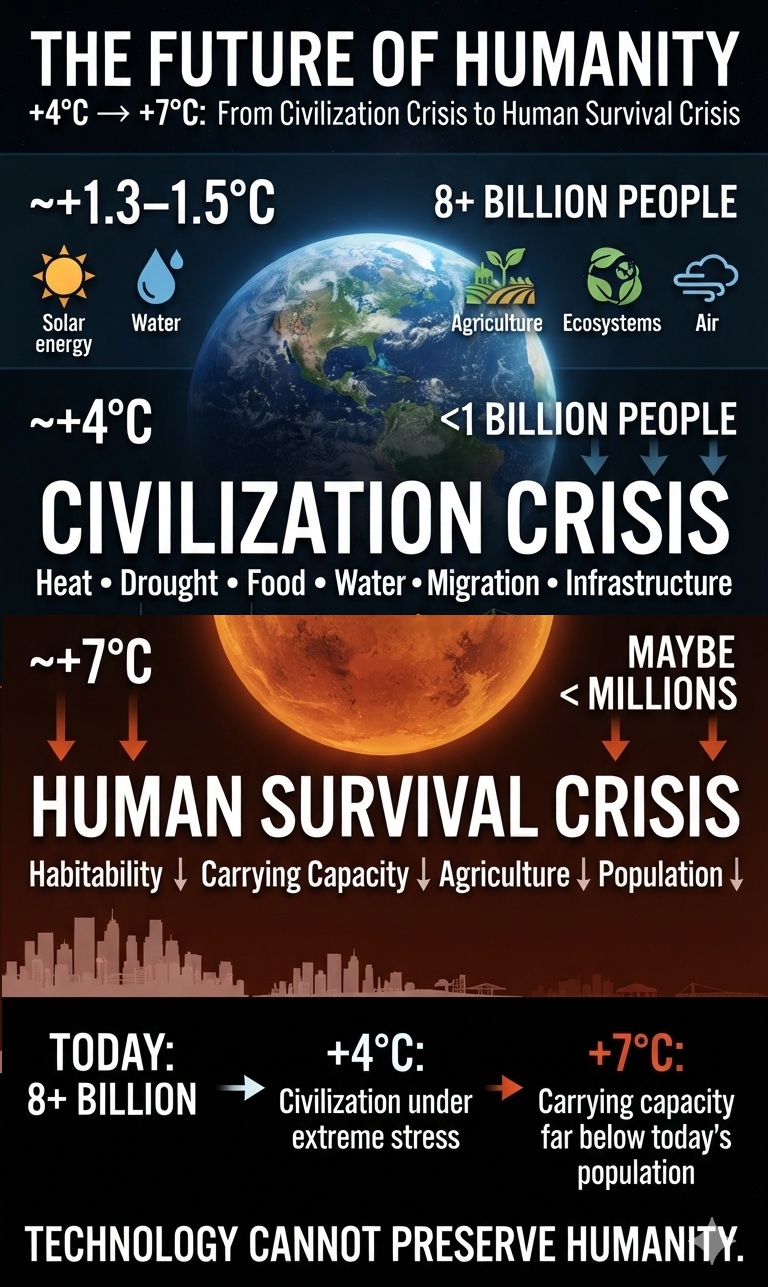
🌎 THE FUTURE OF HUMANITY
+4°C → +7°C: From Civilization Crisis to Human Survival Crisis
What happens to humanity if Earth doesn’t stop at +2°C or +3°C—but eventually reaches +4°C and then +7°C?
There is no scientifically established population number for a +7°C Earth.
But the physical constraints are becoming increasingly clear.
At approximately +4°C, humanity could face a civilization-scale crisis:
🔥 Extreme heat
💧 Water shortages
🌾 Agricultural disruption
🏙️ Infrastructure failures
🌍 Mass migration
⚡ Energy-system stress
Over the following centuries, continued warming toward +7°C could transform the question entirely.
The issue would no longer be simply:
How do we adapt civilization to a hotter planet?
It becomes:
How many humans can the planet physically support?
Technology could keep some people alive through underground facilities, controlled environments, hydroponic agriculture, protective equipment and advanced energy systems.
But there is an enormous difference between keeping thousands or millions of people alive in artificial environments and maintaining a civilization of 8+ billion people.
Today’s population depends upon the Earth providing enormous services essentially for free:
☀️ Solar energy
💧 Rainfall and freshwater
🌾 Productive soils
🌳 Ecosystems
🌬️ Breathable air
🌊 Functioning oceans
🌡️ Manageable temperatures
🌱 Outdoor agricultural space
At +7°C, humanity could increasingly have to manufacture artificially what the Earth currently provides naturally.
And that creates a fundamental problem:
Energy requires infrastructure.
Infrastructure requires materials.
Materials require mining and manufacturing.
Manufacturing requires energy and water.
Technology can extend human habitability.
But technology cannot be assumed to recreate the Earth for eight billion people.
The path from +4°C to +7°C could therefore represent a transition from:
Fighting to preserve civilization
to
Fighting to preserve humanity itself.
Clouds are gathering
(Over the town)
Something’s happening
(Up and down)
Drip drop
(Nonstop)
Tick tock
(Watch the clock)
The sky has something
(It wants to say)
Maybe it’s time
(To wash away)
[Verse 1]
Rain on the rooftop
(Rain on the street)
Rain on the sidewalk
(Rain on the beat)
If you’re building castles
(Out of pretend)
Rain has a funny way
(Of bringing them to an end)
[Refrain]
Rain on
(… your parade)
Rain on
(… your charade)
Rain on
(… your reign)
Refrain
(… from strain)
End the brain drain
(Let love remain)
[Verse 2]
Rain on the throne
(Rain on the crown)
Rain on the kingdom
(Rain coming down)
Rain on the ego
(Rain on the pride)
Rain on the walls
(That try to divide)
Rain on the fortress
(Rain on the gate)
Rain on the reasons
(That separate)
[Refrain]
Rain on
(… your parade)
Rain on
(… your charade)
Rain on
(… your reign)
Refrain
(… from strain)
Let love remain
… love unrestrained
[Bridge]
Let it rain!
(Rain!)
Let it wash away
(The fear!)
Let it rain!
(Pour!)
… ’till there poor no more
Drip…
(Drop…)
Drip…
(Drop…)
Rain on…
(Rain upon…)
[Final Bridge]
Rain on the rich
(Rain on… pour!)
Light up the lonely
(Open the door)
Rain on the powerful
(Uplift the weak)
Refrain of the silent
(Give them a voice to speak)
[Final Refrain]
Rain on
(… your parade)
Rain on
(… your charade)
Rain on
(… your reign)
Refrain
(… from strain)
[Outro]
Let love gain fame
(Let love remain)
Rain on
(… and let it flow)
Rain on
(… and let it grow)
Rain on
(… again and again)
Refrain…
(And let love remain)
End the brain drain
$13 Billion Nor’Easter
[Intro]
Comin’ from the northeast
(A real beast)
Ridin’ the coast
(What a roast!)
Slowly movin’
(But not away)
Hangin’ around
(Another day)
[Verse 1]
Atlantic City
(Beach took a hit)
Half-mile stretch
(That’s some of it)
Dunes carved deeply
(Steep and tall)
Sand disappeared
(There goes the wall)
[Refrain]
Comin’ from the northeast
(A real beast)
… to say the least
Hangin’ out day after day
(No, just wont move away)
… ocean takes over the bay
[Verse 2]
Down in Brigantine
(The beach did flee)
Hundreds of feet
(Washed out to sea)
[Refrain]
Comin’ from the northeast
(A real beast)
… to say the least
Hangin’ out day after day
(No, just wont move away)
… ocean takes over the bay
[Verse 3]
Storm energy
(Turned into cost)
Flooded the streets
(What have we lost?)
[Bridge]
Storm energy!
(Flood and erosion!)
Wind energy!
(Coastal corrosion!)
Joules don’t stay
(In a textbook line)
They reach your house
(And they reach mine)
[Refrain]
Comin’ from the northeast
(A real beast)
… to say the least
Hangin’ out day after day
(No, just wont move away)
… ocean takes over the bay
[Breakdown]
Flooding!
(Erosion!)
Wind!
(Destruction!)
Power!
(Interruption!)
Traffic!
(Disruption!)
Property!
(Depreciation!)
Business!
(Complication!)
[Final Refrain]
Comin’ from the northeast
(A real beast)
… to say the least
Hangin’ out day after day
(No, just wont move away)
… ocean takes over the bay
[Outro]
Comin’ from the northeast
(What a beast!)
Turning energy
(Into receipts!)
Damage
(Becomes dollars)
Dam Age!
(Everybody hollers)
About the Song
The late-September 2026 nor’easter turned atmospheric and oceanic energy into a massive economic event.
$10–13 BILLION in estimated damage and economic losses.
Flooding.
Beach and dune erosion.
Downed trees.
Power outages.
Infrastructure damage.
Transportation disruption.
The storm demonstrates a simple connection:
STORM ENERGY → FLOODING + EROSION + WIND → DAMAGE → ECONOMIC LOSS
Climate energy does not remain an abstract number measured in joules. It reaches us through the places where we live, the infrastructure we depend upon, and the economic systems that connect us.
The Jersey Shore: Erosion, Flooding and Infrastructure Damage
The most concentrated physical damage occurred along exposed coastal communities.
Atlantic City
Atlantic City experienced some of its most severe beach erosion since Superstorm Sandy in 2012. A particularly hard-hit area extended for approximately a half-mile north of Steel Pier.
The storm carved deeply into the dunes, leaving steep sand escarpments and exposing previously buried structures. Atlantic City Beach Patrol officials reported that roughly half of the dunes remained in the affected area after the storm.
This is more than a cosmetic change to the beach. Dunes function as part of the coastal defense system. Removing large quantities of sand reduces the physical buffer between ocean waves and developed areas.
Brigantine
Brigantine also suffered extensive beach and dune erosion. City officials estimated that hundreds of feet of beach were washed away, while approximately 30 feet of dunes were lost in one particularly vulnerable area. Officials said the damage could amount to tens of millions of dollars.
The storm also damaged the city’s promenade. A newly installed beach-access ramp was torn from its foundation and carried approximately 30 blocks down the beach before being recovered. Sections of promenade railing were also damaged.
Mayor Vince Sera described the storm as producing exceptionally powerful ocean conditions, while city officials emphasized that the promenade and seawall helped protect homes and infrastructure from even greater damage.
Repeated Tidal Flooding
The storm’s slow movement and persistent onshore winds produced flooding over multiple high-tide cycles.
In Sea Bright, New Jersey, for example, successive tides repeatedly flooded neighborhoods rather than producing a single isolated flooding event. More than four inches of rain also fell in portions of New Jersey, adding freshwater runoff to the coastal flooding problem.
The combination of heavy rainfall + elevated ocean water + high tides + strong onshore winds created a compound flooding event.
Increasing tropospheric ozone contributes to climate-system acceleration through simultaneous direct radiative forcing and indirect ecological forcing, with ozone-induced vegetation stress reducing carbon uptake, altering land-surface energy and water exchange, increasing ecosystem vulnerability, and interacting with wildfire, drought, methane, lightning, and other climate feedbacks. These coupled interactions may amplify climate-system responses beyond the effect of ozone considered as an isolated atmospheric constituent.
[Verse 1]
High above the valley
(Where the sky flies by)
Something’s disappearing
(Right before our eyes)
Five years gone
(Nineteen point four)
Ice keeps melting
(More and more)
[Refrain]
Yelps!
(From the Swiss Alps)
Hot as hell…
(Fare thee well?)
When the mountains crumble
(Left with a pile of rubble)
No use crying… no use to mumble
(Trouble coming is about to double)
[Verse 2]
Two and a half meters
(Three or four!)
Gone, gone, gone
(And maybe more)
Ten meters vanished
(Where did they go?)
Thirty-three feet
(Down below)
Aletsch!
(Allalin!)
Clariden!
(Rhône!)
[Refrain]
Yelps!
(From the Swiss Alps)
Hot as hell…
(Fare thee well?)
When the mountains crumble
(Left with a pile of rubble)
No use crying… no use to mumble
(Trouble coming is about to double)
[Bridge]
Matterhorn…
Wind torn
(Where did the snow go…?)
Take stock…
(Bare rock…)
Frozen ground…
(Coming down…)
[Bridge 2]
Lose the glacier…
(Are you sure…)
… we’ll endure?
And the system changes us!
(Dangerous!)
Oh, well!
(Fare thee well!)
More energy!
(More melt!)
More melt!
(Danger felt!)
[Final Refrain]
Yelps!
(From the Swiss Alps)
Hot as hell…
(Fare thee well?)
[Outro]
When the mountains crumble
(Left with a pile of rubble)
No use crying… no use to mumble
(Trouble coming is about to double)
Yelps!
(From the Swiss Alps)
Hear that bell…
(Fare thee well?)
When the frozen foundations
(Start to crumble)
Every little warning
(Becomes a rumble)
What the hell?
…fare thee well…
About the Song
How Is the Climate Energy Hitting You?
Swiss Alps: Fare Thee Well?
Swiss glaciers are disappearing at an extraordinary rate.
The Glacier Monitoring in Switzerland (GLAMOS) network and the Swiss Academy of Sciences report that Swiss glaciers lost approximately 5.5% of their total ice volume during the first eight months of 2026. That is the second-largest annual percentage loss on record, exceeded only by the exceptional melt of 2022.
The combination of exceptionally low winter snowfall and a record-hot summer has pushed Alpine glaciers into increasingly dangerous territory. Scientists warn that continued warming threatens the long-term survival of many Swiss glaciers.
A Five-Year Avalanche of Ice Loss
The latest measurements reveal how rapidly Switzerland’s frozen water reservoir is shrinking.
Nearly 20% Gone in Five Years
Swiss glaciers have lost approximately 19.4% of their ice mass in just five years.
Percentage Losses Are Accelerating
Although the absolute volume of ice lost in 2026 was lower than during the infamous 2003 heatwave, the percentage loss was substantially greater. The reason is straightforward: Switzerland’s remaining glacier ice reservoir is now dramatically smaller than it was two decades ago.
Meters of Ice Disappearing
Glacier thickness declined by roughly 2.5 to 4 meters (8 to 13 feet) in many areas during 2026, while some glacier tongues retreated by as much as 10 meters (33 feet). Major glaciers, including the Allalin, Clariden, Rhône and Aletsch, experienced severe melting.
The implication is important: as glaciers become smaller, a similar amount of atmospheric heat can produce an increasingly large percentage reduction in the remaining ice.
When the Mountains Begin to Crumble
The damage is not limited to the glaciers themselves.
Extreme warmth is also destabilizing the high Alpine environment by thawing permafrost—the permanently frozen ground and rock that helps stabilize steep mountain slopes.
Bare High Peaks
By late September 2026, the Matterhorn, rising 4,478 meters (14,692 feet), was photographed with exceptionally little snow cover. Persistent snow and ice at high elevations are becoming increasingly vulnerable during extreme warm periods.
Thawing Permafrost
As permafrost thaws, meltwater can penetrate cracks and fractures in mountain rock. The resulting changes in water pressure, ice bonding and rock strength can increase the risk of rockfalls, landslides and other slope failures.
In some locations, exceptionally rapid ground movement has already been observed. At sites such as Spitzerstein above Kandersteg, slopes have reportedly shifted by as much as 70 centimeters per day, demonstrating how quickly Alpine terrain can respond when its frozen foundations deteriorate.
The loss of glacier ice therefore represents more than a change in scenery. It is a change in the physical infrastructure of the European water cycle.
Climate Energy at Work
Glacier loss provides one of the clearest visible examples of how excess climate energy is redistributed through the Earth system.
More atmospheric and oceanic energy → warmer air → reduced snowfall → accelerated glacier melt → exposed darker surfaces → greater solar absorption → further ice loss
At the same time:
Warming → permafrost thaw → weaker mountain structures → increased rockfall and landslide risk
These are not isolated events. They are interacting components of a changing climate system.
The Swiss Alps are effectively losing part of their natural infrastructure in real time.
Fare Thee Well?
Some small, low-elevation Alpine glaciers may already be committed to disappearance under present climate conditions. But the larger question extends far beyond Switzerland.
Every fraction of a degree of additional warming affects glaciers, snowpack, permafrost, water supplies and sea-level rise. The loss of a glacier is therefore not simply the loss of ice. It is the loss of a natural reservoir, a climate regulator, a water-storage system and part of the physical infrastructure on which human societies depend.
The Swiss Alps are telling us something important: climate change isn’t just happening around us. It is changing the systems we depend upon.
[Refrain]
Just like that…
(She’s back)
Summer wasn’t gone
(For long)
… she’s back
Just when I forgot
(She’s so hot)
Bringin’ on fraught
(Hot, hot, hot)
[Verse 2]
Heat comes creeping
(Through the door)
Sweat starts dripping
(More and more)
[Refrain]
Just like that…
(She’s back)
Summer wasn’t gone
(For long)
… she’s back
Just when I forgot
(She’s so hot)
Bringin’ on fraught
(Hot, hot, hot)
[Bridge]
Summer…
You said you were leaving.
(Now we’re here grieving)
What did I miss…
(July for Christmas?)
Hot!
(Hot, hot, hot!)
… she won’t be forgot
[Refrain]
Just like that…
(She’s back)
Summer wasn’t gone
(For long)
… she’s back
[Outro]
Just when I forgot
(She’s so hot)
Bringin’ on fraught
(Hot, hot, hot)
She’s back!
(She’s back!)
Hot, so hot!
(Hot, hot, hot!)
[Surf Guitar Tremolo]
[Ocean Waves]
[Drums Fade]
Just like that…
(She’s back…)
She wasn’t gone…
(For long…)
[Soft Vocal]
…she’s back.
About the Song
Human-caused climate change is expanding the global summer season by roughly six days longer per decade since 1990, causing summer weather to arrive earlier and linger much later into the year.
As global greenhouse gas emissions trap heat in the atmosphere, seasonal cycles are changing faster than previously measured. This shift alters traditional calendar boundaries and reshapes the planet’s climate patterns.
• Total seasonal gain – Research published by the University of British Columbia in Environmental Research Letters shows that summer-like weather in the midlatitudes lasts roughly 30 days longer today than it did in the 1960s.
• Lingering fall heat – Data from Climate Central indicates that summer temperatures now extend an average of 10 days later into autumn across a vast majority of analyzed U.S. cities.
[Refrain]
Accelerating
(Seasonal Expansion)
Exasperating
(Reason in suspension)
Forever summer…
(… a real bummer)
Forever…
(Summer…)
Forever…
(Bummer…)
Is it a vacation?
(No!)
Is it relaxation?
(No!)
It’s duration
(Know expansion!)
It’s intensity
(Reality!)
June…
July…
August…
September…
October?
(Wait…)
November?
(Seriously?)
… really!
[Refrain]
Accelerating
(Seasonal Expansion)
Exasperating
(Reason in suspension)
Forever summer…
(… a real bummer)
“Hey… what month is it?”
(October.)
“What’s the temperature?”
(Summer.)
“…Oh.”
[Final Refrain]
Accelerating
(Seasonal Expansion)
Exasperating
(Reason in suspension)
Forever summer…
(… a real bummer)
[Outro]
Accelerating
(Coming on strong)
Summer keeps expanding
(… and hanging on)
Forever summer…
(How long can it last?)
Forever summer…
(It’s growing fast…)
About the Song: Accelerating Seasonal Expansion
The seasons are not simply getting warmer. They are changing duration, timing, and intensity.
Summers Now Last 30 Days Longer
Summer is getting longer.
A study by researchers at the University of British Columbia found that, between 1990 and 2023, summer-like conditions across the regions between the tropics and the polar circles expanded by roughly six days per decade. That rate is substantially faster than earlier estimates.
The researchers did not define summer by the calendar. Instead, they identified summer as the period when temperatures rise above a location’s historically typical threshold for the warmest part of the year. Using this temperature-based definition, they found that summers across the midlatitudes now last roughly 30 days longer than they did in the 1960s.
The change is occurring at both ends of summer: warm conditions are arriving earlier in the year and lingering later into autumn. The result is not simply a longer calendar season, but a longer period of accumulated heat.
A Longer Summer
• Accelerating seasonal expansion — The UBC study, published in Environmental Research Letters, found that summer length increased by roughly six days per decade from 1990 to 2023. Across the midlatitudes, summer is now about 20 days longer than it was in 1990 and roughly 30 days longer than in the 1960s.
• Summer heat lingering into fall — Climate Central analyzed temperature records from 246 major U.S. cities and found that summer-like temperatures now extend an average of 10 days later into autumn in 227 cities—92% of those analyzed—compared with the early 1970s.
[Verse 1]
Spring came early
(What did you say?)
Trees woke up
(Before the day)
Buds unfolding
(Birds take flight)
Roots are moving
(Into the light)
[Refrain]
A man-made
(Cascade)
… of ecological disruptions
(Biological interruptions)
Messin’ with the lifecycle
(Holding mankind liable)
… a phenology tragedy
[Verse 2]
Phenology
(What’s that?)
The study of timing
(That’s that!)
When leaves unfold
(When flowers bloom)
When insects emerge
(When birds resume)
When trees put out
(Their tender leaves)
When caterpillars hatch
(Before the freeze)
When pollinators arrive
(When food is there)
When everybody’s ready
(But nobody’s prepared)
[Refrain]
A man-made
(Cascade)
… of ecological disruptions
(Biological interruptions)
Messin’ with the lifecycle
(Holding mankind liable)
… a phenology tragedy
[Bridge]
It’s not just hot…
(That we’ve got.)
Things aren’t rhyming
(It’s the timing.)
Tick-tock…
(Tick-tock…)
Bud break!
(Break!)
Leaves
(Leaving)
Flower!
(Power!)
Tick-tock…
(Tick-tock…)
Who’s keeping time?
[Refrain]
A man-made
(Cascade)
… of ecological disruptions
(Biological interruptions)
Messin’ with the lifecycle
(Holding mankind liable)
… a phenology tragedy
[Breakdown]
Phenology…
(Phenology…)
Messin’ with biology
[Final Refrain]
A man-made
(Cascade)
… of ecological disruptions
(Biological interruptions)
Messin’ with the lifecycle
(Holding mankind liable)
… a phenology tragedy
[Outro]
A man-made
(Cascade)
Changing the forest’s functions
Messin’ with the lifecycle
(Changing who’s viable)
… a phenology tragedy
Autumn came late…
(We changed the date.)
About the Song
Phenology: The Study of Biological Lifecycle Events
Disruption in Pennsylvania’s Sylvania
Pennsylvania’s forests are being disrupted by accelerating seasonal expansion—the lengthening of warm-season conditions into spring and autumn. The change is doing more than making individual days warmer. It is altering the timing of tree life cycles, increasing ecological vulnerabilities, and shifting which species can successfully survive and reproduce.
As summer-like conditions expand into early spring and late autumn, biological events known as phenology are increasingly occurring outside the historical weather conditions to which Pennsylvania’s forests evolved.
The result is a cascade of ecological disruptions.
[Silence]
[Instrumental Intro: Funky Electric Guitar, Piano, Organ, Deep Sub-Bass, Drums, Handclaps, Percussion, Saxophone]
[Intro]
Did you say jump…?
(I’ll dance! Gettin’ up!)
You say go…
(Let’s go!)
[Verse 1]
I don’t know where the road is going
I don’t know where it lands
But I know when the rhythm catches
My whole body understands
[Refrain]
I’ll dance to that
(Or can’t deny I didn’t try)
That’s where I’m at
(Let’s dance to that)
Don’t ask why
(Just try)
… and you’ll see…
(Feelin’ happily)
[Verse 2]
The rhythm tells the truth
The beat returns your youth
Free your seat…
Let your soul keep the beat
[Refrain]
I’ll dance to that
(Or can’t deny I didn’t try)
That’s where I’m at
(Let’s dance to that)
Don’t ask why
(Just try)
… and you’ll see…
(Feelin’ happily)
[Bridge]
Left!
(Right!)
Right left.
Left’s wrong…
Same ole song,
Forward!
(Back!)
Up!
(Down!)
That’s where we’re at!
[Break]
I’ll dance to that!
(It’s where I’m at!)
Can you dance to this?
(It’s my wish!)
Can you dance to that?
(Let’s try!)
… touchin’ the sky
[Final Refrain]
I’ll dance to that
(Or can’t deny I didn’t try)
That’s where I’m at
(Let’s dance to that)
Don’t ask why
(Just try)
… and you’ll see…
(Feelin’ happily)
I’ll dance to that!
(Oh, yeah!)
I’ll dance to that!
(One more time!)
Be the rhythm
(Be the rhyme)
[Outro]
[Fade out]
I’ll dance to that
(Or can’t deny I didn’t try)
That’s where I’m at
(Let’s dance to that)
Don’t ask why
(Just try)
… and you’ll see…
(Feelin’ happily)