bookmark_borderMidas

LYRICS
Soon we’ll concede
You can’t feed
On greed
Too much
Midas touch

Growing old
With a daughter of gold
Unintended consequences
Of the human menaces

Relentless exploitation
Environmental degradation
Tragic realization
Near-starvation

Insatiable desires
Consumption never tires
Material abundance
Children have no chance

A second chance
The need to balance
Humanity has the capacity
If only we could see?

Chords: Dm C Am G / G Dm G / Dm G Dm / G Bb G / Bb C Dm/D; 8 Beat Pop Digi-Rock @ 152 Beats Per Minute
Instrumentation: Vocals (TC-Helicon VOICELIVE and MiniNova Vocorder), Keyboards (Korg PS60, Casio WK-3500, Yamaha PSR-740, MiniNova, MicroKorg)

ABOUT THE SONG
King Midas is renowned in Greek mythology for his ill-fated ability to turn everything he touched into pure gold. This power, initially seen as a blessing, quickly turned tragic when Midas inadvertently transformed his daughter and, later, his dinner into gold, leading to near-starvation. Realizing the dire consequences of his insatiable greed, Midas beseeched the gods for a reversal. Dionysus, showing mercy, allowed Midas to wash away the curse in the river Pactolus. This cautionary tale prompts reflection on the potential consequences of succumbing to our unchecked desires.

The myth of King Midas can be metaphorically related to climate change, highlighting the unintended consequences of human actions driven by insatiable desires. King Midas’s ability to turn everything into gold represents humanity’s pursuit of wealth, growth, and material prosperity without considering the broader implications.

In the context of climate change, the relentless exploitation of natural resources and the pursuit of economic growth often come at the cost of environmental degradation. The “golden touch” symbolizes the quest for material abundance without recognizing the potential harm to the planet.

Midas’s tragic realization, as he transforms his own daughter and dinner into gold, mirrors the unintended environmental consequences of human activities. Climate change, driven by factors like deforestation, overconsumption, and excessive reliance on fossil fuels, leads to severe consequences such as global warming, rising sea levels, and loss of biodiversity.

The myth serves as a cautionary tale, urging reflection on the need to balance human desires for prosperity with responsible environmental stewardship. Just as Midas sought to undo the damage by washing away the golden curse, the myth suggests that humanity has the capacity to mitigate and reverse the impacts of climate change through mindful and sustainable practices.

From the album: The Echoes of Earth’s Wrath:
A Musical Journey Through Mythical Metaphors on Human-Induced Climate Change

A song about The Human Induced Climate Change Experiment

bookmark_borderPhilomela’s Tongue

Instrumental with quasi-electronic lyrics:
Philomela’s tongue
A lie was built
The Fat Lady has sung
Hide our guilt?
Cut out our tongue

Philomela’s tongue
Has come undone
Philomela’s tongue
It’s come undone

Chords: Em Dm A / A Am Adim / Cm C / Dm Em Dm A; Part II Ambient Country Two Step @ 128 Beats Per Minute
Instrumentation: Vocals (MiniNova Vocorder), Keyboards (Korg PS60, Casio WK-3500, Yamaha PSR-740, MiniNova, MicroKorg)

ABOUT THE SONG
Tereus seduced his wife’s sister, Philomelam and tricked her into a sham marriage. (Other versions describe the encounter as a brutal rape.) In order to hide his guilt, Tereus cut out Philomela’s tongue.

The metaphor “Philomela’s tongue” in the context of climate change suggests the suppression or silencing of essential information and the consequences of deceptive actions. Philomela, in Greek mythology, faced a traumatic experience at the hands of Tereus, who not only deceived her but also took extreme measures to hide the truth.

In the metaphor, the line “A lie was built, The Fat Lady has sung” implies that a falsehood or deception has been constructed and that its consequences, represented by “The Fat Lady has sung,” are now evident or irreversible. The reference to “Hide our guilt? Cut out our tongue” suggests a dilemma faced by those responsible for the deception. The metaphorical cutting out of the tongue could symbolize attempts to silence the truth or conceal the damaging information to avoid accountability.

The repetition of “Philomela’s tongue, It’s come undone” reinforces the idea that attempts to suppress or hide crucial details are unraveling, and the truth is emerging despite efforts to keep it concealed. This metaphor may draw parallels to the handling of information related to climate change, where misinformation, denial, or intentional suppression of facts can have severe consequences.

Overall, the metaphor of “Philomela’s tongue” in this context underscores the idea that attempts to deceive or hide the truth about climate change may eventually unravel, leading to accountability and a reckoning for the actions taken to conceal crucial information.

From the album: The Echoes of Earth’s Wrath:
A Musical Journey Through Mythical Metaphors on Human-Induced Climate Change

A song about The Human Induced Climate Change Experiment

bookmark_borderHercules

LYRICS
Hercules, please!
All hail
I pale
On a grand scale

Hercules, please!
Patron of health
Guards true wealth
Safeguarding humanity
All all our vanity
Strength and heroes
No friend of Nero
We don’t fiddle around
While the world is burning down

Hercules, please!
Adversity from infancy
Our legacy
If we don’t recognize
Adversity’s size
Hercules, please!

Chords: A# C# D# F# / A F# / A# C# D# F# / F#; Part II 6/8 March & Shuffle Boogie @ 120 Beats Per Minute
Instrumentation: Vocals (TC-Helicon VOICELIVE and MiniNova Vocorder), Ibanez Acoustic Guitar (AW54CE), Ibanez Electric RG-270 (Boss Digital Delay), Fender Jazz Bass (Boss Digital Delay), Keyboards (Korg PS60, Casio WK-3500, Yamaha PSR-740, MiniNova, MicroKorg)

ABOUT THE SONG
These lyrics about Hercules and climate change attempt to convey a plea for intervention and guidance in the face of environmental challenges. The repeated call to “Hercules, please!” suggests a desperate desire for a powerful force, symbolized by Hercules, to address the pressing issues at hand. The reference to Hercules as the “Patron of health” emphasizes the need for protection and preservation of the world’s well-being.

The lines “All hail, I pale, On a grand scale” indicate a recognition of the magnitude of the situation, acknowledging the widespread and significant impact of climate change. The mention of Hercules as the guardian of true wealth and the safeguard of humanity suggests a longing for a hero or protector to navigate through the challenges posed by environmental degradation.

The verse “Strength and heroes, No friend of Nero” imply a rejection of destructive or negligent behaviors represented by Nero, and a call for strength and heroism in the face of adversity. The line “We don’t fiddle around, While the world is burning down” emphasizes the urgency of taking action instead of engaging in frivolous activities, especially considering the critical state of the world.

The plea for Hercules’ intervention continues with a reflection on adversity, legacy, and the importance of recognizing the size of challenges. “Adversity from infancy, Our legacy” suggests that the issues at hand have been present for a long time and are now part of humanity’s legacy. The call to recognize “Adversity’s size” reinforces the need for acknowledging the severity of environmental problems.

In summary, these lyrics express a plea for a heroic and powerful figure like Hercules to intervene and address the challenges posed by climate change, emphasizing the urgency of the situation and the need for collective recognition and action.

ABOUT HERCULES
Hercules, the Roman counterpart of the Greek hero Heracles, is renowned in classical mythology for his exceptional strength and epic adventures as the son of Jupiter and mortal Alcmena. Revered as the god of strength and heroes, Hercules holds the divine role of safeguarding humanity and is recognized as the patron of health. His heroic feats include rescuing the princess of Troy from a voracious sea-monster and aiding Zeus in the battle against the Giants for control of Olympus, securing his esteemed place among the Olympians. Later in his life, Hercules married Deianira, whose name, meaning “man-destroyer” or “destroyer of her husband,” adds intrigue to his narrative. From his infancy, Hercules faced adversity, symbolized by the strangulation of two snakes sent by Zeus’ wife, Hera. His involvement as one of the ‘Argonauts’ on Jason’s quest for the Golden Fleece further highlights his legendary status. Notably, Hercules outwitted Atlas, who, as per some sources, was the father of the Hesperides guarding the golden apples in Hera’s orchard at the Garden of the Hesperides. Hercules cunningly convinced Atlas to retrieve the apples by offering to support the heavens during the task.

Hercules, in the realm of classical mythology, serves as a metaphor for climate change, reflecting both strength and challenges on a grand scale. Analogous to Hercules’ role as the god of strength and heroes, climate change presents itself as an omnipotent force, demanding attention and collective efforts. The hero’s feats, such as rescuing the princess of Troy and aiding in the battle against the Giants, draw parallels to the global challenges of addressing environmental crises for the well-being of our planet. Hercules’ commitment to safeguarding humanity aligns with the urgent need for collective action to protect our world from the adverse impacts of climate change. The symbolism extends to Hercules’ marriage to Deianira, embodying the complex relationship between humanity and the environment, fraught with challenges and potential consequences. The narrative of Hercules facing adversity from infancy, represented by Hera’s snakes, mirrors the ongoing struggles and obstacles humanity encounters in dealing with climate-related issues. Hercules’ involvement in the quest for the Golden Fleece and the cunning interaction with Atlas underscores the need for strategic, clever, and collaborative approaches in addressing climate change. Overall, the myth of Hercules serves as a powerful metaphor, urging societies to recognize their strength, confront challenges, and collectively work towards a sustainable and resilient future.

From the album: The Echoes of Earth’s Wrath:
A Musical Journey Through Mythical Metaphors on Human-Induced Climate Change

A song about The Human Induced Climate Change Experiment

bookmark_borderMerlin

LYRICS
Quick!
Merlin’s natural magic
Is music
To my ears
Savior
From our fears

Surprise
How wise
Shine the light
Prophetic insight
Foresee the future
Help us endure
Safeguarding and guiding
Tumultuous times align

Extracting Excalibur from the stone
Collective efforts, not alone
Evolution and adaptation
Understanding all creation
We’ll see…
With knowledge comes responsibility
To be

Need more persuasion
From modern-day “Merlins”
Together we’ll protect planet
… and inhabitants

Chords: E C D E / C E / C D E / A C C E / C B7 E / B E / E C D E; Part II @ 98 Beats Per Minute
Instrumentation: Vocals (TC-Helicon VOICELIVE and MiniNova Vocorder), Ibanez Acoustic Guitar (AW54CE), Keyboards (Korg PS60, Casio WK-3500, Yamaha PSR-740, MiniNova, MicroKorg)

ABOUT MERLIN
Merlin, a mythical figure intricately woven into the tapestry of King Arthur’s legend, is best recognized as a wizard and scientist. Positioned at the forefront of medieval science, Merlin was a erudite individual proficient in astrology, cosmology, prophecy, and natural magic. Additionally, he held the roles of seer and proto-alchemist.

Functioning as a prophet, Merlin possessed the ability to foresee the future, a skill he utilized to predict Arthur’s destined kingship. Following Arthur’s birth, Merlin safeguarded the infant, orchestrating his upbringing away from his parents. Upon Uther’s demise, Merlin declared that the next king would be the one capable of extracting the sword Excalibur from a stone. Numerous knights attempted and failed, but Arthur emerged victorious. Subsequently, Merlin played a pivotal role in assisting Arthur in claiming the throne.

Choosing the path of virtue over malevolence, Merlin harnessed all his attributes for the greater good. His character embodies a nuanced conflict between knowledge and power. Initially symbolizing wisdom in early Welsh tales, Merlin evolved into an advisor to kings during the Middle Ages. Eventually, he assumed the roles of mentor and teacher, guiding Arthur and others on their quests.

Merlin, in the context of climate change, serves as a metaphor for the intricate and multifaceted nature of the environmental challenges we face. Here’s an exploration of the metaphor:

  1. Wisdom and Scientific Understanding: Much like Merlin’s proficiency in medieval sciences, including astrology, cosmology, and natural magic, addressing climate change requires a deep understanding of the scientific complexities involved. Scientists and researchers act as modern-day “Merlins,” utilizing their knowledge to decipher and predict the impacts of climate change on our planet.
  2. Prophetic Insight: Merlin’s prophetic abilities parallel the scientific predictions made by researchers regarding the consequences of climate change. Climate scientists use models and data to foresee the future state of the Earth, much like Merlin predicted Arthur’s destiny as king.
  3. Guidance and Protection: Merlin’s role in safeguarding and guiding Arthur during tumultuous times aligns with the need for guidance in navigating the challenges posed by climate change. The global community, through collaboration and shared knowledge, can work together to protect the planet and its inhabitants.
  4. The Sword in the Stone as a Symbol: The tale of Arthur extracting Excalibur from the stone serves as a metaphor for the monumental task of addressing climate change. The stone represents the formidable challenges, and the successful extraction symbolizes the collective efforts needed to overcome environmental hurdles.
  5. Evolution and Adaptation: Merlin’s evolution from a symbol of wisdom to an advisor and mentor reflects the evolving understanding of climate change. Initially recognized for wisdom, the role expands to include advising and guiding, mirroring the ongoing adaptation and learning required to address environmental issues.
  6. Conflict Between Knowledge and Power: Merlin’s internal conflict between knowledge and power mirrors the ethical choices humanity faces in dealing with climate change. The knowledge of environmental issues comes with the responsibility to use that knowledge for the betterment of the planet, not exploit it for short-term gains.

In essence, the metaphor of Merlin for climate change emphasizes the importance of wisdom, foresight, collaboration, and ethical decision-making in the face of complex environmental challenges.

From the album: Camelot’s Resurgence

A song about The Human Induced Climate Change Experiment

bookmark_borderPegasus

LYRICS
Mama had a baby and her head popped off!

The illustrious Pegasus
The delicate balance
In circumstance
I mean… between
Mortal and immortal realms
When Man is left at the helm
Stomp your hooves
Nature sings
Clap your wings
The anger brings
Clap like thunder!
Better wonder….

Bring on a natural free-spirited nature
So our generations endure
(For sure… more, more)
Indeed, aid those in need
Be the steed
Adventurous Pegasus

Chords: Bdim / C D E F G A B C / C C7sus4 / Fsus4 F / Bb C F; @ 120 Beats Per Minute
Instrumentation: Vocals (TC-Helicon VOICELIVE and MiniNova Vocorder), Ibanez Electric RG-270 (Boss Digital Delay), Fender Jazz Bass (Boss Digital Delay), Keyboards (Korg PS60, Casio WK-3500, Yamaha PSR-740, MiniNova, MicroKorg)

ABOUT THE SONG
Pegasus, the majestic winged horse, came into existence through the heroic act of Perseus, who beheaded Medusa, and Pegasus sprang forth from her severed neck. Sired by Poseidon and foaled by the Gorgon Medusa, Pegasus possesses the extraordinary ability to soar through the skies, bridging the realms of mortals and immortals. With a powerful kick of his hooves, he could conjure springs of water, showcasing his divine connection. His wings, capable of thunderous claps when angered, underscore his mythical nature. Pegasus embodies a spirit of adventure and freedom, ceaselessly seeking excitement and novel encounters. His character is marked by a strong sense of justice, compelling him to aid those in need. However, Pegasus is not without flaws; at times, his impulsiveness and recklessness lead him to act before considering the consequences.

Pegasus, the mythical winged horse, can be metaphorically linked to human-induced climate change in several ways:

  1. Birth from a Tragic Act: Pegasus originated from the severed neck of Medusa, a consequence of Perseus’ heroic but violent deed. Similarly, climate change is born from human actions, often involving exploitation and disregard for the environment, leading to negative consequences.
  2. Connection to Nature: Pegasus, with his ability to create springs of water and traverse mortal and immortal realms, symbolizes a deep connection to nature. Human-induced climate change reflects our impact on the natural world, affecting ecosystems, water sources, and the delicate balance between the mortal (human) and immortal (natural) realms.
  3. Power and Immortality: Pegasus’ immortal nature and ability to fly highlight both power and the potential for everlasting impact. Human actions contributing to climate change demonstrate a powerful influence on the planet, with long-lasting consequences that may endure for generations.
  4. Anger and Consequences: Pegasus’ wings clap like thunder when angry, implying consequences for disturbances. Human activities leading to climate change can evoke the “thunder” of natural disasters, such as storms, hurricanes, and wildfires, as consequences for environmental imbalances.
  5. Adventurous and Reckless Spirit: Pegasus’ adventurous and free-spirited nature mirrors humanity’s pursuit of progress and innovation, sometimes at the cost of environmental sustainability. The metaphor emphasizes the importance of balancing progress with responsible and considerate actions.
  6. Desire to Help: Pegasus’ sense of justice and willingness to aid those in need can be seen as a reflection of humanity’s capacity for positive change. It suggests that, like Pegasus, humans can use their collective power to address climate change issues and help mitigate their impacts.

In these ways, Pegasus serves as a metaphorical representation, drawing parallels between the mythical creature and the complex, multifaceted nature of human-induced climate change.

From the album: The Echoes of Earth’s Wrath:
A Musical Journey Through Mythical Metaphors on Human-Induced Climate Change

A song about The Human Induced Climate Change Experiment

bookmark_borderCronus (Measuring Out Time)

LYRICS
Is Cronus us?
You know
When the status quo
Has got to go
Cut off his balls
The king falls

Is Cronus us?
What we did
Eat the kids
Regurgitate
What we ate
Ignore advice
Pay the price

Is Cronus us?
Titanomachy calamity
At odds
Man against the gods
Cursed and then sent
With Cronus’ punishment
We roam
Measuring out eternity alone
Forever unable
Inexorable
As we grow old
Leaving the weight of the world
On the unsung young

Is Cronus us?
What could be worse
Now I’m paying for the crime
The Curse of ‘Old Father Time’

Chords: G Bb C G / D C G / G Bb C G / D C G / Eb F Bb G / B Bb G; Part II @ 104 Beats Per Minute
Instrumentation: Vocals (TC-Helicon VOICELIVE and MiniNova Vocorder), Ibanez Acoustic Guitar (AW54CE), Keyboards (Korg PS60, Casio WK-3500, Yamaha PSR-740, MiniNova, MicroKorg)

ABOUT CRONUS
Cronus, a Titan and the youngest son of Uranus (Heaven/Sky) and Gaia (Earth), played a pivotal role in the overthrow of his father Uranus, leading to his becoming the first ruler of the world. Fueled by jealousy and resentment towards his powerful father, Cronus volunteered to assist his mother Gaia in freeing his siblings, whom Uranus had hidden under the earth.

In a daring act, Cronus confronted Uranus and, wielding his weapon, severed his father’s genitals. He cast these into the ocean, and from the resulting foam emerged the goddess Aphrodite. Cronus, having imprisoned Uranus, ascended to the position of the world’s first king.

However, Cronus, haunted by a prophecy that his own children would rebel against him, took extreme measures to safeguard his rule. He swallowed each of his offspring at birth. Zeus, the youngest of his children, orchestrated a plan to challenge Cronus. Providing him with a concoction, Zeus caused Cronus to regurgitate his swallowed children, initiating a rebellion against the Titan ruler.

The ensuing Titanomachy, a decade-long conflict between the Titans and the Olympian gods, unfolded. Zeus, Hades, and Poseidon devised a strategic plan to defeat the Titans decisively. While Hades confiscated Cronus’ weapons and Poseidon threatened him with his trident, Zeus unleashed thunderbolts. Simultaneously, the Hecatonchires bombarded the Titans with rocks, securing victory for the Olympian gods.

Consequently, the defeated Titans were consigned to Tartarus, with Atlas enduring the harsh punishment of supporting the heavens on his shoulders. Cronus, uniquely cursed, wandered the world, condemned to measure out eternity alone and became known as ‘Old Father Time.’ Aging over time, Cronus symbolized the inexorable passage of time that ultimately guides mortals to their inevitable end.

A METAPHOR FOR CLIMATE CHANGE
The story of Cronus can be interpreted as a metaphor for climate change in several ways.

  1. Overthrowing the Old Order: In the tale, Cronus represents the existing order or status quo, while Uranus symbolizes the established, powerful forces. Cronus, driven by resentment and a desire for change, overthrows his father. Similarly, the current environmental state, marked by unsustainable practices and disregard for nature, needs a transformative shift to address climate change.
  2. Environmental Exploitation: The act of Cronus severing Uranus’ genitals and casting them into the ocean can be seen as a metaphor for human exploitation of natural resources. This reckless behavior results in consequences, represented by the birth of Aphrodite from the sea foam, akin to the unforeseen effects of environmental degradation, like the emergence of climate-related challenges.
  3. Cycles of Destruction and Renewal: Cronus’ actions of swallowing his own offspring to prevent rebellion can be compared to the disregard for future consequences seen in environmental degradation. The subsequent rebellion led by Zeus, Hades, and Poseidon mirrors the need for a collective effort to combat climate change, symbolizing a struggle between destructive environmental practices and the forces trying to restore balance.
  4. The Titanomachy as Climate Struggle: The Titanomachy can serve as an allegory for the ongoing battle against climate change. The gods, representing those striving for environmental sustainability, strategically confront the Titans, symbolizing destructive human activities. The Hecatonchires’ involvement suggests the need for massive collective efforts, echoing the necessity of global cooperation to combat climate change.
  5. The Curse of ‘Old Father Time’: Cronus’ punishment, wandering the world and measuring out eternity alone, reflects the consequences of environmental degradation. The inexorable passage of time and aging symbolize the irreversible damage caused by climate change. The burden placed on Atlas to support the heavens could represent the ongoing responsibility of the current generation to address the consequences of past actions.

In this metaphorical interpretation, the story of Cronus becomes a cautionary tale about the consequences of environmental exploitation and the need for a collective effort to address climate change before it becomes an irreversible force, much like the inexorable passage of time. It highlights the intergenerational burden of environmental degradation, with future generations inheriting the consequences of the actions of their predecessors. We will expresses regret for our consequences, comparing us to the curse of ‘Old Father Time,’ where the passage of time becomes a relentless reminder of past mistakes.

From the album: The Echoes of Earth’s Wrath:
A Musical Journey Through Mythical Metaphors on Human-Induced Climate Change

A song about The Human Induced Climate Change Experiment

bookmark_borderHubris and Nemesis

LYRICS
Anoint
No doubt succession
Exploit
Without repercussions
Never learn our lesson
Nemesis is Hubris’
Consequences
Humaneless humans
Have no defenses
Environmental degradation
Eye on mental
No hesitation
Ecosystem disruption
On her and him…
Their acquisition
Ignorant and arrogant
They rant:
I want this
And I want that
Don’t give a piss
Where you’re at
I need more
Than those before
Will not concede
My need for greed
Me, my, mine
All the time
Have no spine
Hear me whine
Ignorant and arrogant
We rant:
We can’t

We can’t rant

Chords: Em Am C / B7 AM Em / Em D# Dm / Dm C Am Em / G Am Em / B7 Am Em; Part II @ 120 Beats Per Minute
Instrumentation: Vocals (TC-Helicon VOICELIVE and MiniNova Vocorder), Ibanez Acoustic Guitar (AW54CE), Ibanez Electric RG-270 (Boss Digital Delay), Fender Jazz Bass (Boss Digital Delay), Keyboards (Korg PS60, Casio WK-3500, Yamaha PSR-740, MiniNova, MicroKorg)

ABOUT THE SONG
In 2023, we wrote about having crossed tipping points in the paper, “Climate Change: How Long Is ‘Ever’?“. We had forecast crossing these tipping points would not happen for centuries. We underestimated Man’s ignorance and arrogance. Fossil fuel consumption and greenhouse gas emissions have continued to set record highs. Humans have caused chain-reactions resulting in toppled tipping points, feedback loops, and The Domino Effect.
— from Climate Change: The End of Times Brouse and Mukherjee (2023)

The song presents a powerful metaphor for the interplay between hubris and nemesis in the context of environmental degradation, acting as a commentary on human-induced climate change.

Hubris in Exploitation:

  1. Anoint, No doubt succession, Exploit: These lyrics highlight a sense of entitlement and anointing oneself without considering the consequences. The term “exploit” suggests the reckless use of resources without acknowledging the impacts on the environment.
  2. Without repercussions, Never learn our lesson: The idea that actions are taken without fear of consequences reflects the hubris of assuming that nature can be exploited endlessly without facing repercussions. The refusal to learn lessons indicates a dangerous cycle of repeating environmentally harmful behaviors.
  3. Nemesis is Hubris’ Consequences: Here, the song explicitly connects the concept of nemesis to the consequences of hubris. It implies that the environmental challenges and crises faced by humanity are the natural outcomes of arrogant and exploitative practices.

Consequences and Defenselessness:

  1. Humaneless humans, Have no defenses: The lyrics suggest that humans, lacking humility and empathy (humaneless), are defenseless in the face of the environmental consequences. This vulnerability stems from a lack of understanding and acknowledgment of the interconnectedness of all life.
  2. Environmental degradation, Eye on mental, No hesitation: Describing environmental degradation, the song emphasizes the psychological impact (“eye on mental”) and the lack of hesitation in causing harm. This underscores the urgency and severity of the environmental crisis.

Ecosystem Disruption and Acquisition:

  1. Ecosystem disruption, On her and him, Their acquisition: The disruption of ecosystems is highlighted, with a subtle nod to the gendered impacts (“on her and him”). The mention of “acquisition” suggests the relentless pursuit of resources without regard for the delicate balance of ecosystems.

Ignorance and Arrogance:

  1. Ignorant and arrogant, They rant: The repetition of “ignorant and arrogant” reinforces the theme of overconfidence and lack of awareness. The act of ranting suggests a self-centered and thoughtless expression of desires without considering the broader consequences.
  2. I want this, And I want that, Don’t give a piss, Where you’re at: The lyrics express a selfish and indifferent attitude toward others and the environment, reinforcing the theme of self-centeredness and disregard for the well-being of others.

Refusal to Change:

  1. We can’t rant: The concluding lines imply a recognition that the current path of exploitation and arrogance cannot continue without consequences. However, the phrase “We can’t rant” may suggest a collective inability or unwillingness to change behavior and attitudes.

In summary, the song serves as a poignant metaphor for the destructive cycle of human hubris leading to environmental nemesis, urging listeners to reflect on the consequences of unsustainable practices and the urgent need for change.

Hubris and Nemesis
Hubris and Nemesis, concepts from Greek mythology, can be seen as metaphorical representations of certain aspects of human-induced climate change.

  1. Hubris:
    • Definition: Hubris refers to excessive pride, arrogance, or overconfidence, often leading individuals to defy or challenge the gods, leading to their downfall.
    • Metaphor for Climate Change: Human activities, driven by technological advancements and industrialization, can be viewed as a form of hubris. The excessive exploitation of natural resources, deforestation, and the release of greenhouse gases demonstrate a certain level of arrogance regarding humanity’s impact on the environment. The belief that humans can manipulate and control nature without consequences parallels the hubris seen in Greek myths.
  2. Nemesis:
    • Definition: Nemesis represents the inevitable punishment or retribution for hubris, ensuring a balance is maintained in the natural order.
    • Metaphor for Climate Change: The consequences of environmental degradation, global warming, and climate change can be seen as a form of nemesis. Rising sea levels, extreme weather events, and disruptions to ecosystems can be viewed as nature’s way of restoring balance and imposing consequences for humanity’s environmental hubris. The impacts of climate change, such as natural disasters and loss of biodiversity, act as a form of retribution for the unsustainable practices that have disrupted the balance of the planet.

In this metaphorical interpretation, the cycle of hubris and nemesis mirrors the human impact on the environment. Hubris represents the anthropocentric belief that humans can exploit nature without repercussions, while nemesis embodies the natural consequences and environmental challenges that arise as a result of these actions. The metaphor serves as a cautionary tale about the importance of humility, sustainability, and recognizing the interconnectedness between human activities and the health of the planet.

From the album: The Echoes of Earth’s Wrath:
A Musical Journey Through Mythical Metaphors on Human-Induced Climate Change

A song about The Human Induced Climate Change Experiment

bookmark_borderThe Emperor’s New Clothes

LYRICS
Throwing spaghetti at the wall
After all,
Will it fall?
Throwing confetti in the wind
Keeps blowin’…
To my chagrin
Surprise the wise
In the thick
Of will it stick?
Or just a fleeting greeting
Weill we grow to know our shadow
Or be left stark
In the dark

Who knows the Emperor is wearing new clothes?

Dangers of denial
Consequences
Ignoring scientific evidence
Sheer peer pressure
Strangers get riled
Circumstance
Imploring a humane stance
Circumstances
Imploring humane stances and dances
Revolution of the child’s revelation
Revolution revelation
Revelation revolution

Chords: A C D E / A C E A / A G D A / Em7(11) A / A C B7 E / E A C E / E/7/sus4; Part II Ambient-Vienna Waltz @ 180 Beats Per Minute
Instrumentation: Vocals (TC-Helicon VOICELIVE and MiniNova Vocorder), Ibanez Acoustic Guitar (AW54CE), Ibanez Electric RG-270 (Boss Digital Delay), Fender Jazz Bass (Boss Digital Delay), Keyboards (Korg PS60, Casio WK-3500, Yamaha PSR-740, MiniNova, MicroKorg)

ABOUT THE SONG
The song “The Emperor’s New Clothes” is a poetic exploration of the challenges and consequences associated with climate change denial. Here’s an interpretation:

  1. Metaphor of Throwing Spaghetti and Confetti:
    • Uncertainty and Unpredictability: The act of throwing spaghetti at the wall and confetti in the wind symbolizes the uncertainty and unpredictability of addressing climate change. Will the efforts to address the issue stick and create meaningful change, or will they be fleeting and ineffectual?
  2. Emperor’s New Clothes Reference:
    • Awareness of Denial: The repeated reference to the Emperor’s new clothes suggests an awareness of denial. The question “Who knows the Emperor is wearing new clothes?” could be an inquiry into who recognizes the pretense or denial regarding the realities of climate change.
  3. Challenges of Recognition:
    • Growing to Know Our Shadow: The mention of growing to know our shadow implies a journey of self-awareness and acknowledgment of the darker aspects, possibly alluding to the challenges of recognizing and addressing climate change before it is too late. Once the sun sets, it will be too late to see your shadow.
  4. Dangers of Denial and Consequences:
    • Dangers of Denial: The lyrics highlight the dangers of denial and its consequences. Ignoring scientific evidence, succumbing to peer pressure, and being indifferent to the circumstances of climate change can lead to severe repercussions.
  5. Call for Humane Stances and Dances:
    • Revolution of Revelation: The call for “humane stances and dances” suggests a plea for compassionate and ethical responses to the environmental challenges. The term “revolution of the child’s revelation” may signify a transformative change brought about by the pure and unfiltered insights of the younger generation.
  6. Circumstances and Strangers:
    • Social Dynamics: The mention of strangers getting riled and the role of circumstances implies the societal and interpersonal dynamics surrounding climate change discussions. It may point to the challenges of navigating differing perspectives and the urgency of addressing environmental issues.
  7. Surprise the Wise:
    • Challenge to Wisdom: The line “Surprise the wise in the thick of will it stick?” suggests a challenge to the wisdom of those who may be resistant to change. It questions whether efforts to address climate change can overcome skepticism and resistance.

In summary, “The Emperor’s New Clothes” appears to be a contemplative piece that explores the complexities, challenges, and consequences associated with acknowledging and combating climate change denial. It underscores the importance of recognizing the truth, responding with empathy, and embracing a revolution of awareness and action.

How is The Emperor’s New Clothes a metaphor for human induced climate change?
“The Emperor’s New Clothes” is a classic fairy tale by Hans Christian Andersen, where an emperor is deceived into believing he is wearing invisible clothes that only the wise can see. The story draws parallels to human-induced climate change in several ways:

  1. Willful Deception:
    • Denial and Deception: In the tale, the emperor and his subjects pretend to see the nonexistent clothes out of fear of being perceived as foolish. Similarly, there has been a historical tendency among some individuals, industries, and governments to deny or downplay the reality of climate change due to various reasons, including economic interests.
  2. Ignoring the Obvious:
    • Ignoring the Truth: In the story, everyone, including the emperor, ignores the obvious truth – that he is not wearing any clothes. This mirrors the reluctance of some individuals and entities to acknowledge the clear and scientifically supported evidence of climate change caused by human activities.
  3. Social Pressure and Conformity:
    • Fear of Speaking Out: The fear of going against the perceived consensus is evident in both contexts. In the fairy tale, people fear challenging the emperor’s supposed attire, while in the climate change scenario, there has been societal pressure, political resistance, and fear of economic consequences for those challenging established practices.
  4. Consequences of Silence:
    • Environmental Consequences: In the fairy tale, the consequences of silence are embarrassment and the perpetuation of a falsehood. In the case of climate change, the consequences of ignoring or downplaying the issue are severe environmental impacts, including rising temperatures, extreme weather events, loss of biodiversity, and disruptions to ecosystems.
  5. The Call for Truth:
    • Need for Truth and Transparency: The story emphasizes the importance of truth and transparency. Similarly, addressing climate change requires acknowledging the reality of the situation, promoting transparency in reporting environmental impacts, and seeking sustainable solutions.
  6. Empowering the Young:
    • The Child’s Revelation: In Andersen’s tale, it is a child who finally speaks the truth about the emperor’s lack of clothing. This reflects the role of the younger generation, activists, and environmentalists who often take the lead in raising awareness about climate change and advocating for urgent action.

In summary, “The Emperor’s New Clothes” serves as a metaphor for human-induced climate change by highlighting the dangers of denial, the consequences of ignoring scientific evidence, the impact of social pressure, and the need for transparency, truth, and the courage to address the pressing issue of environmental degradation.

Music as a Universal Language: Music has the power to communicate emotions universally. Certain melodies, harmonies, or rhythms can evoke specific feelings that resonate with people across different cultures and backgrounds.

ExperiMental Music: The music and lyrics are written and recorded extemporaneously. Extemporaneous, spontaneous, improvisation, jamming, freestyle, and impromptu music are most closely related to pure chaos. The music and lyrics evolve from the “sensitive initial conditions” similar to “a butterfly flapping its wings in China causing a hurricane in the Atlantic.”

The Science of Chaos Theory, String Theory, and Music

From the album: The Echoes of Earth’s Wrath:
A Musical Journey Through Mythical Metaphors on Human-Induced Climate Change

A song about The Human Induced Climate Change Experiment

bookmark_borderOh My God!

LYRICS
Mercury flew
To inform of knew
The evidence
Of our commerce
In fact,
With speed and impact

Chorus:
Running rings around the sun
Time our damage is undone
With the Earth, we are one
Age of Knew/New has begun

Icarus
Like us
Ignored the warning
We’re warming
Hubris and consequences
Brought on this
Our offenses’ expenses

Chorus

Phoenix
Rise quick
From the flame
Our new game
What can be
Renewed energy
Regenerate
Minus the hate
Adorn a new fashion
Renew compassion
Rise above
Alive with love

Chorus

Chords: F# C# B / B C# F# / D B / B C# F# / A B F# / C# B F#; Part II @ 128 Beats Per Minute
Instrumentation: Vocals (TC-Helicon VOICELIVE and MiniNova Vocorder), Ibanez Acoustic Guitar (AW54CE), Ibanez Electric RG-270 (Boss Digital Delay), Fender Jazz Bass (Boss Digital Delay), Keyboards (Korg PS60, Casio WK-3500, Yamaha PSR-740, MiniNova, MicroKorg)

THE INTERPRETATION
The lyrics of the song “Oh My God!” convey a narrative related to climate change and human impact on the environment. Here’s an interpretation of each section:

  1. Mercury’s Flight:
    • Symbolic Messenger: Mercury, a symbol of speed and communication, is portrayed as a messenger delivering evidence of the impact of human activities, particularly commerce, on the environment.
    • Speed and Impact: The mention of “speed and impact” suggests that the consequences of human actions are swift and far-reaching, affecting the natural world.
  2. Chorus:
    • Running Rings Around the Sun: The imagery of running rings around the sun signifies the continuous cycle of time and the urgency to address and undo the damage caused by human activities.
    • Unity with Earth: The chorus emphasizes unity with the Earth, suggesting that recognizing and rectifying the environmental damage is essential to harmonizing with the planet. The “Age of Knew/New” indicates a new era marked by awareness and understanding.
  3. Icarus’s Tale:
    • Ignoring Warnings: The reference to Icarus reflects the human tendency to disregard warnings and continue behaviors that contribute to global warming. “Hubris and consequences” underscore the idea that arrogance and overconfidence lead to detrimental outcomes.
    • Expenses of Offenses: The consequences of human actions are described as “offenses’ expenses,” highlighting the costs associated with environmental damage and the need to address them.
  4. Chorus (Repeated):
    • Reiteration: The repeated chorus reinforces the themes of acknowledging our interconnectedness with the Earth, the urgency to reverse environmental damage, and the onset of a new era marked by awareness.
  5. Phoenix’s Symbolism:
    • Renewal and Regeneration: The phoenix symbolizes renewal and regeneration, suggesting that it is possible to rise from the metaphorical ashes of environmental degradation.
    • Renewed Energy and Compassion: The call for “Renewed energy” extends beyond environmental energy to encompass a rejuvenated commitment to compassion and love for the planet, as implied by “Renew compassion.”
    • Rising Above: The closing lines encourage rising above destructive habits and fostering a lifestyle driven by love and care for the environment.

In summary, “Oh My God!” employs mythical elements to convey a message of environmental awareness, the consequences of human actions, and the potential for positive change and renewal. The repetition of the chorus emphasizes the urgency and significance of the themes presented in the song.

THE CHARACTERS
How are the Mercury, Icarus and the phoenix metaphors for human induced climate change?

Mercury was the Roman god of commerce, who was known for being able to mediate between the gods and the mortal world. He protected both the merchants and the people who were involved in circulation. His winged feet made him incredibly fast, and he was also known for being able to carry messages and goods with him.

In Greek mythology, Icarus was the son of the master craftsman Daedalus, the architect of the labyrinth of Crete. Icarus ignored Daedalus’s instructions not to fly too close to the sun, causing the beeswax in his wings to melt. Icarus fell from the sky, plunged into the sea, and drowned. The myth gave rise to the idiom, “fly too close to the sun.”

The phoenix is an immortal bird that cyclically regenerates or is otherwise born again. While it is part of Greek mythology, it has analogs in many cultures such as Egyptian and Persian. Associated with the sun, a phoenix obtains new life by rising from the ashes of its predecessor.

CLIMATE CHANGE METAPHORES
Metaphorically, these mythological figures can be related to human-induced climate change in the following ways:

  1. Mercury:
    • Mediation and Commerce: Mercury’s role as a mediator between gods and mortals can be seen as a metaphor for humanity’s role in mediating the impacts of climate change. Humans have the capacity to influence and regulate the commercial and industrial activities that contribute to environmental changes.
    • Speed and Impact: Mercury’s swift nature, represented by his winged feet, can symbolize the rapid pace of human activities and their impact on the environment. The speed at which industries and commerce operate can lead to consequences that affect the planet swiftly.
  2. Icarus:
    • Hubris and Consequences: Icarus’s tragic story is often interpreted as a cautionary tale against human hubris and overreaching ambitions. Similarly, human activities related to climate change, driven by excessive consumption and disregard for nature’s limits, can be seen as a form of hubris. Ignoring the warnings, such as flying too close to the sun, may result in dire consequences.
    • Ignored Warnings: Daedalus warned Icarus about the dangers of flying too close to the sun, just as scientists and environmentalists warn about the consequences of unsustainable practices. Ignoring these warnings and continuing on a path of environmental degradation can lead to irreversible damage.
  3. Phoenix:
    • Cyclic Regeneration: The phoenix’s ability to cyclically regenerate and rise from its ashes is a metaphor for the potential resilience and regenerative capacity of nature. Despite the damage caused by human activities, there is hope for renewal and regeneration if humans take corrective actions.
    • Renewable Energy: The association of the phoenix with the sun aligns with the growing focus on renewable energy sources as a sustainable alternative. Transitioning to cleaner energy practices can be seen as a form of rebirth and renewal for the planet.

In summary, these mythological figures serve as allegorical representations that can help us understand different aspects of human-induced climate change, from the consequences of unchecked actions (Icarus) to the potential for renewal and positive change (Phoenix).

Music as a Universal Language: Music has the power to communicate emotions universally. Certain melodies, harmonies, or rhythms can evoke specific feelings that resonate with people across different cultures and backgrounds.

ExperiMental Music: The music and lyrics are written and recorded extemporaneously. Extemporaneous, spontaneous, improvisation, jamming, freestyle, and impromptu music are most closely related to pure chaos. The music and lyrics evolve from the “sensitive initial conditions” similar to “a butterfly flapping its wings in China causing a hurricane in the Atlantic.”

The Science of Chaos Theory, String Theory, and Music

From the album: The Echoes of Earth’s Wrath:
A Musical Journey Through Mythical Metaphors on Human-Induced Climate Change

A song about The Human Induced Climate Change Experiment

bookmark_borderWhimper-will

LYRICS
After all,
Named after their call
Onomatopoeically
Quite specifically
The urge to dirge
Whimper-will
Whine and dying
Hear their call
Whimper-will
Here their call
Whimper-will
Still no will to instill
No will to foster a culture
Of love
No will to bolster our future
Come shove
(More love)
Shovel till level
Equal bedevil
Then, shovel above!
Shove more love
Try to pile high
Come on try…
Kiss the sky

Fulfill the will to instill
We’ll will to foster a culture
Of love
We’ll will to bolster our future
Come shove
(More love)
Shovel till level
Equal bedevil
Then, shovel above!
Shove more love
Hear our call
We’re not ready to fall
Fulfill our will to instill
We will

Chords: Am Em Em Am / Em Bm Bm Em / C B7 Em Bm Em / Em G Em C Em / Em C B7 Em; Part II from 65 to 120 Beats Per Minute
Instrumentation: Vocals (TC-Helicon VOICELIVE and MiniNova Vocorder), Ibanez Acoustic Guitar (AW54CE), Ibanez Electric RG-270 (Boss Digital Delay), Fender Jazz Bass (Boss Digital Delay), Keyboards (Korg PS60, Casio WK-3500, Yamaha PSR-740, MiniNova, MicroKorg)

ABOUT THE SONG
This song appears to convey a call to action, particularly focusing on humanity’s responsibility to address climate change. The repeated mention of the “whimper-will” can be symbolic of the distress signals from Man and the urgent need for attention. The lines emphasize the lack of will to instill positive changes, calling for a cultural shift towards love and a commitment to securing a better future. Man’s call has sounded like whining about dying. The repeated use of “shovel” and “shove” imply the need for active engagement, suggesting that individuals must collectively work to overcome challenges, build a more sustainable and loving world, and start by changing our call from a whimper to the “kiss of life”. The phrase “kiss the sky” evokes a sense of reaching for ambitious goals, hinting at the aspiration to create a better, environmentally conscious future.

ABOUT THE SCIENCE
The meaning of onomatopoeically relates to onomatopoeia — the act of creating or using words that include sounds that are similar to the noises the words refer to. e.g. The name for the bird, Eastern whip-poor-will, onomatopoeically conveys its call.

Our climate model employs chaos theory to comprehensively consider human impacts and projects a potential global average temperature increase of 9℃ above pre-industrial levels. Global warming is a consequence of elevated thermal energy in the climate system, which comprises various subsystems. Chaos theory underscores the intricate and nonlinear nature of dynamic systems. Human well-being is compromised above a 1.5-degree temperature rise, rendering much of the Earth uninhabitable. A 9-degree Celsius increase would bring the Earth close to a wet-bulb temperature incapable of sustaining human life.

What Can I Do? There are numerous actions you can take to contribute to saving the planet. Each person bears the responsibility to minimize pollution, discontinue the use of fossil fuels, reduce consumption, and foster a culture of love and care. The Butterfly Effect illustrates that a small change in one area can lead to significant alterations in conditions anywhere on the globe. Hence, the frequently heard statement that a fluttering butterfly in China can cause a hurricane in the Atlantic. Be a butterfly and affect the world.

The Butterfly Effect / Be a Butterfly

What you can do today. How to save the planet.

Music as a Universal Language: Music has the power to communicate emotions universally. Certain melodies, harmonies, or rhythms can evoke specific feelings that resonate with people across different cultures and backgrounds.

ExperiMental Music: The music and lyrics are written and recorded extemporaneously. Extemporaneous, spontaneous, improvisation, jamming, freestyle, and impromptu music are most closely related to pure chaos. The music and lyrics evolve from the “sensitive initial conditions” similar to “a butterfly flapping its wings in China causing a hurricane in the Atlantic.”
The Science of Chaos Theory, String Theory, and Music

A song about The Human Induced Climate Change Experiment

bookmark_borderHow Can I See the Light?

LYRICS
How can I see the light?

Look up
During all your days
Direct your gaze
Toward the sky
Give it a try

Avoid obstructions
Void of objections
Position yourself in a place
Where you face
The light
Clear line of sight
Appropriate precautions
For one:
Don’t look into the eyes of the sun

How can I see the light?
Clear sky insight
Through your window
Come to know
Streaming sunlight
See the light

Chords: F Db / Bb Ab / Bb Db F F Bb / Db F Bb; Part II @ 85 Beats Per Minute
Instrumentation: Vocals (TC-Helicon VOICELIVE and MiniNova Vocorder), Ibanez Acoustic Guitar (AW54CE), Ibanez Electric RG-270 (Boss Digital Delay), Fender Jazz Bass (Boss Digital Delay), Keyboards (Korg PS60, Casio WK-3500, Yamaha PSR-740, MiniNova, MicroKorg)

ABOUT THE SONG (Figuratively)
These lyrics convey a metaphorical message about finding hope and positivity in the face of challenges, particularly related to climate change. The repeated question, “How can I see the light?” suggests a desire to find optimism and a way forward. Here’s an interpretation:

The lyrics encourage the listener to seek hope and inspiration, symbolized by “the light,” despite the difficulties posed by climate change.

“Look up” serves as a directive to remain optimistic and maintain a positive outlook.

“Direc t your gaze toward the sky” suggests a shift in perspective, looking beyond immediate concerns and focusing on the bigger picture.

“Give it a try” emphasizes the importance of making an effort to find hope and positivity.

“Avoid obstructions, void of objections” suggests clearing mental or emotional obstacles that may hinder a positive outlook.

“Position yourself in a place where you face the light, clear line of sight” reinforces the idea of consciously placing oneself in a situation that allows for a positive perspective.

“Appropriate precautions, for one: Don’t look into the eyes of the sun” serves as a metaphorical reminder to be cautious and realistic, acknowledging challenges without being overwhelmed by them.

“How can I see the light? Clear sky insight” suggests that clarity and understanding can lead to a more optimistic outlook.

“Through your window, come to know streaming sunlight, see the light” metaphorically implies that by opening up to possibilities and new perspectives, one can find hope even in small, everyday moments.

Overall, these lyrics encourage an attitude of hopefulness and a proactive approach to maintaining a positive outlook despite the challenges associated with climate change.

ABOUT THE SONG (Literally)
To see the light, you can follow these simple steps:

  1. Find a Light Source: Sunlight comes from the sun, so the first step is to position yourself in a location where sunlight is present. This is typically outdoors, but sunlight can also enter buildings through windows.
  2. Time of Day: Sunlight is most abundant during the day when the sun is in the sky. The exact time will vary depending on your location, time of year, and weather conditions. Generally, mid-morning to mid-afternoon provides the brightest sunlight.
  3. Clear Skies: Sunlight is most visible on clear days when the sky is not overcast. Try to go outside when the sky is clear to experience the full brightness of sunlight.
  4. Avoid Obstructions: Position yourself in a place where buildings, trees, or other obstacles do not block the sunlight. Open spaces with direct exposure to the sun will provide the best view.
  5. Look Up: Simply direct your gaze towards the sky or the source of sunlight. If you’re indoors, position yourself near a window where sunlight is streaming in.

Remember to take appropriate precautions, such as wearing sunglasses if needed, especially during bright and sunny days, to protect your eyes from excessive sunlight.

Music as a Universal Language: Music has the power to communicate emotions universally. Certain melodies, harmonies, or rhythms can evoke specific feelings that resonate with people across different cultures and backgrounds.

ExperiMental Music: The music and lyrics are written and recorded extemporaneously. Extemporaneous, spontaneous, improvisation, jamming, freestyle, and impromptu music are most closely related to pure chaos. The music and lyrics evolve from the “sensitive initial conditions” similar to “a butterfly flapping its wings in China causing a hurricane in the Atlantic.”
The Science of Chaos Theory, String Theory, and Music

Our climate model employs chaos theory to comprehensively consider human impacts and projects a potential global average temperature increase of 9℃ above pre-industrial levels.
What Can I Do? There are numerous actions you can take to contribute to saving the planet. Each person bears the responsibility to minimize pollution, discontinue the use of fossil fuels, reduce consumption, and foster a culture of love and care. The Butterfly Effect illustrates that a small change in one area can lead to significant alterations in conditions anywhere on the globe. Hence, the frequently heard statement that a fluttering butterfly in China can cause a hurricane in the Atlantic. Be a butterfly and affect the world.

What you can do today. How to save the planet.

A song about The Human Induced Climate Change Experiment

bookmark_borderDown-to-Earth

LYRICS
Have an Earthling lament
Of what being an Earthling meant
Reminisce
Over what we’ll miss
We will miss Mississippi
Long for Long Island
Hazy skies…
Will make us blue
We will opine, “Oh, the pine!”
Recollect our neglect
Crying eyes…
Both me and you

Back to our birth
When you could get down-to-earth

Connected to the changes
All Man rearranges
Environmental degradation
“What in God’s creation?!?!”
Collective responsibility
Both you and me

Chords: F# E / B C#7 F# / F# C# F# / F# D F# / D C#7 F# / B A F#; Part II 6/8 Blues and 60’s Rock @ 96 Beats Per Minute
Instrumentation: Vocals (TC-Helicon VOICELIVE and MiniNova Vocorder), Ibanez Acoustic Guitar (AW54CE), Ibanez Electric RG-270 (Boss Digital Delay), Fender Jazz Bass (Boss Digital Delay), Keyboards (Korg PS60, Casio WK-3500, Yamaha PSR-740, MiniNova, MicroKorg)

ABOUT THE SONG
These lyrics convey a poignant reflection on the impacts of climate change, expressing a lament for the Earth and its changing conditions. The lines “Have an Earthling lament, of what being an Earthling meant” suggest a reflective and sorrowful tone, contemplating the essence of being connected to the Earth and the changes that are occurring.

“Reminisce, over what we’ll miss” indicates a yearning for aspects of the environment that are disappearing or undergoing negative transformations. The specific mentions of places like Mississippi and Long Island evoke a sense of nostalgia and longing for regions that may be affected by climate-related changes.

“Hazy skies… will make us blue” cleverly plays on the dual meaning of “blue,” invoking both the color of the sky and a feeling of sadness. This line suggests that the environmental changes, symbolized by hazy skies, will contribute to a sense of melancholy.

“We will opine, ‘Oh, the pine!'” suggests a sentimental attachment to nature, particularly referencing the pine tree. “Recollect our neglect, crying eyes… both me and you” implies a recognition of the collective responsibility for the environmental degradation, leading to a somber acknowledgment with tears shed by both individuals and society.

The concluding lines, “Back to our birth when you could get down-to-earth,” may imply a desire to return to a simpler, more environmentally conscious time, contrasting with the current complexities and challenges associated with climate change.

In summary, these lyrics paint a vivid picture of environmental nostalgia, loss, and a shared sense of responsibility for the changes affecting the Earth.

ExperiMental Music: The music and lyrics are written and recorded extemporaneously. Extemporaneous, spontaneous, improvisation, jamming, freestyle, and impromptu music are most closely related to pure chaos. The music and lyrics evolve from the “sensitive initial conditions” similar to “a butterfly flapping its wings in China causing a hurricane in the Atlantic.”

Music as a Universal Language: Music has the power to communicate emotions universally. Certain melodies, harmonies, or rhythms can evoke specific feelings that resonate with people across different cultures and backgrounds.
The Science of Chaos Theory, String Theory, and Music

ABOUT THE SCIENCE
Global warming has inflicted irreversible damage on our environment, a consensus echoed by nearly all scientists. Indeed, climate change poses a profound challenge. Our planet is witnessing conditions that increasingly jeopardize human habitation. The critical question now is whether we can adapt swiftly enough. (Year: 1999)

Human-induced climate change is a dynamic component of an intricate and unordered system, as per chaos theory. This implies that global warming is accelerating exponentially in a complex manner. Over the period from 1992 to 2023, we have presented compelling evidence, proposed remedies to mitigate climate change, and amassed valuable information through the engagement of millions with this climate model. Your participation has been invaluable. The incontrovertible data underscores that human-induced climate change is rapidly deteriorating our habitat.

Unfortunately, even scientists are failing to see, let alone forecast, the rapid acceleration in climate change. Due to their complexity, the impacts of the Domino Effect are being underestimated. The Domino Effect is also known as “tipping cascades” in climate science. Cascading impacts in relation to tipping points include cascading impacts across biogeophysical and social systems. Until recently, scientist have been drastically underestimating the social-ecological systems. The University of Exeter reports, “There is a notable lack of topic clusters dedicated to how humans will be impacted by climate-related tipping cascades.” 2023 was a wake-up call to social-ecological scientists. The record breaking physical and economical impacts could be felt worldwide. The record warming year was seventeen times greater than any other record increase in history. Typically, record-breaking temperatures are measured in 100th degrees. There were also 200 consecutive days of record-breaking temperatures. Usually, there are one or two record breaking days in a row. The increase in intensity and frequency of record-breaking heat requires forecasting models to be recast.

The environmental changes and uncertainties associated with climate change can contribute to mental health issues, including anxiety, depression, and post-traumatic stress disorder (PTSD). Almost all survivors of climate-related disasters suffer from mental distress and experience PTSD. Of those who have not experienced climate disasters, over two-thirds of U.S. adults (68%) report having climate change anxiety.
— from The Age of Loss and Damage Brouse (2023)

* Our climate model utilizes chaos theory in an attempt to adequately account for humans and forecasts a global average temperature increase of 9℃ above pre-industrial levels. Everybody has the responsibility not to pollute. There are plenty of things you can do: stop using fossil fuels, consume less, and love more. Here is a list of additional actions you can take.

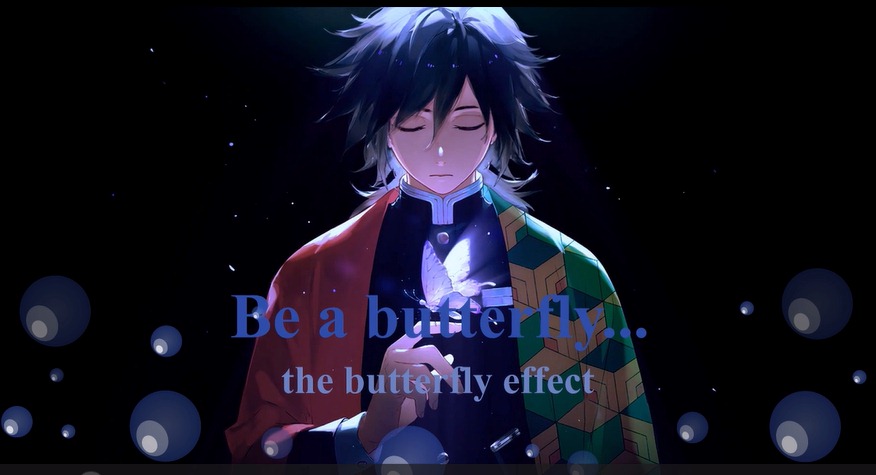
Be a butterfly and affect the world. The Butterfly Effect: “a small change in one small area can cause _large_ changes in conditions _anywhere_ on the globe.”
A song about The Human Induced Climate Change Experiment

bookmark_borderCoral Grief

LYRICS
Ocean acidification
Change in circulation
Shifts in distributions
Mortality by bleach
(1. Mothers, what do we teach/)
(2. Fathers, what do we teach/)
(3. Children, what do we teach/)
Coral reef grief
Reaches the beach
Children,
What do we teach?
Coral reef grief
In disbelief
Coral reef grief
Reaches the beach
Stressed and susceptible
Skeletons gone weak
Our ways unsustainable
Man has passed his peak
Our prominence in disturbance
Doesn’t give ’em half a chance
… not half a chance
And, the tide rolls in
The tide rolls out
And, there’s no doubt
Coral reef grief
Our prominence in disturbance
Doesn’t give ’em half a chance

Chords: C Dm / C F G / G F# F C / G Am / G F# F C / C Dm / Dm G / G F# F C; Part III Reggae-Latin-House @ 90 Beats Per Minute
Instrumentation: Vocals (TC-Helicon VOICELIVE and MiniNova Vocorder), Ibanez Acoustic Guitar (AW54CE), Ibanez Electric RG-270 (Boss Digital Delay), Fender Jazz Bass (Boss Digital Delay), Keyboards (Korg PS60, Casio WK-3500, Yamaha PSR-740, MiniNova, MicroKorg)

ABOUT THE SONG
These lyrics poignantly address the impacts of climate change on coral reefs, specifically highlighting the phenomenon of ocean acidification, changes in circulation patterns, shifts in species distributions, and the devastating consequences of coral bleaching. The inclusion of parenthetical questions directed at mothers, fathers, and children suggests a plea for reflection on the responsibilities and lessons passed down through generations regarding environmental stewardship.

The repeated refrain of “Coral reef grief reaches the beach” underscores the profound and far-reaching consequences of coral degradation, reaching not only the underwater ecosystems but also impacting human communities connected to these environments. The plea to children emphasizes the importance of imparting knowledge and responsibility for the protection of coral reefs.

The lines “Stressed and susceptible, Skeletons gone weak, Our ways unsustainable, Man has passed his peak” draw attention to the vulnerability of coral reefs in the face of human-induced disturbances, stressing the urgency for sustainable practices to prevent irreversible damage.

The mention of the tide rolling in and out with “no doubt” signifies the inevitability of the changes occurring in coral reefs. The repeated acknowledgment of “Coral reef grief” serves as a somber recognition of the sorrowful state of these ecosystems and the human role in their decline.

The concluding lines, “Our prominence in disturbance, Doesn’t give ’em half a chance,” convey a powerful message about the need for responsible and sustainable actions to provide a fighting chance for coral reefs against the disturbances brought about by human activities. The lyrics poetically capture the urgency and gravity of the situation, calling for reflection, responsibility, and immediate action to preserve these vital marine ecosystems.

ABOUT THE SCIENCE
Coral reefs confront unprecedented challenges arising from various stressors, many of which are directly tied to human activities. Some of these stressors possess critical tipping points, surpassing which can lead to the collapse of coral ecosystems. According to the European Geosciences Union’s statement on January 2, 2024, specific tipping points include a temperature increase of 1.2℃ above pre-industrial levels and atmospheric CO2 concentrations exceeding 350 parts per million. Disturbingly, as of February 2024, the Earth’s yearly average temperature has already risen to +1.5℃, underscoring the urgency of addressing climate-related threats to coral reefs.

Climate change is having significant and detrimental effects on coral reefs around the world. Some of the key impacts include:


  1. Coral Bleaching:
    • One of the most immediate and visible impacts of climate change on coral reefs is coral bleaching. Elevated sea temperatures cause corals to expel the symbiotic algae (zooxanthellae) living within their tissues. Without these algae, corals lose their vibrant colors and become more susceptible to stress, disease, and death. While corals can recover from mild bleaching events, severe or prolonged bleaching can lead to widespread coral mortality.
  2. Ocean Acidification:
    • Increased carbon dioxide (CO2) levels in the atmosphere not only contribute to global warming but also lead to ocean acidification. The absorption of excess CO2 by the oceans results in a decrease in pH, making the water more acidic. This acidification can weaken coral skeletons and hinder the ability of corals to build and maintain their calcium carbonate structures.
  3. Sea Level Rise:
    • Rising global temperatures contribute to the melting of polar ice caps and glaciers, causing sea levels to rise. Elevated sea levels can lead to increased stress on coral reefs, especially those located in shallow waters. This can result in reduced sunlight reaching the corals and increased sedimentation, impacting their growth and survival.
  4. Extreme Weather Events:
    • Climate change is linked to an increase in the frequency and intensity of extreme weather events, such as hurricanes and cyclones. These events can physically damage coral reefs by causing coral breakage, dislodgment, and destruction of the reef structure. The recovery time for damaged reefs is often extended, making them more vulnerable to subsequent disturbances.
  5. Changes in Ocean Circulation:
    • Climate change can alter ocean currents and circulation patterns. Changes in water flow can affect the distribution of nutrients and impact the resilience of coral reefs. Some regions may experience altered temperature regimes, nutrient imbalances, and disruptions in the supply of food sources for corals and their associated ecosystems.
  6. Shifts in Coral Species Distribution:
    • As sea temperatures change and habitats are modified, the distribution of coral species may shift. Some species may migrate to cooler waters, while others may struggle to adapt or face local extinctions. These shifts can disrupt the balance of ecosystems and affect the biodiversity associated with coral reefs.

The cumulative impact of these climate-related stressors poses a severe threat to coral reefs worldwide. It’s crucial to address the root causes of climate change and implement conservation measures to enhance the resilience of coral ecosystems. Protection of coral reefs involves both local and global efforts, including sustainable fishing practices, marine protected areas, reducing greenhouse gas emissions, and promoting coral reef restoration initiatives.

Coral reef ecosystems can be influenced by several feedback loops that contribute to reaching tipping points. These feedback loops often involve interactions between various environmental stressors and the responses of coral reefs.

Mitigating these feedback loops requires comprehensive conservation strategies, including reducing greenhouse gas emissions, implementing sustainable fishing practices, establishing marine protected areas, and addressing local stressors to enhance the resilience of coral reefs.

What Can I Do?
Our climate model uses chaos theory in an attempt to adequately account for humans and forecasts a global average temperature increase of 9℃ above pre-industrial levels. Everybody has the responsibility not to pollute. There are plenty of things you can do to help save the planet. Stop using fossil fuels. Consume less. Love more. Here is a list of additional actions you can take.
— from Coral Reefs’ Tipping Point / Brouse (2024)

ExperiMental Music: The music and lyrics are written and recorded extemporaneously. Extemporaneous, spontaneous, improvisation, jamming, freestyle, and impromptu music are most closely related to pure chaos. The music and lyrics evolve from the “sensitive initial conditions” similar to “a butterfly flapping its wings in China causing a hurricane in the Atlantic.”

Music as a Universal Language: Music has the power to communicate emotions universally. Certain melodies, harmonies, or rhythms can evoke specific feelings that resonate with people across different cultures and backgrounds.
The Science of Chaos Theory, String Theory, and Music

A song about The Human Induced Climate Change Experiment

bookmark_borderNorth vs. South

LYRICS
Do the North and West
Know what’s best?
Do the South and East
Know the least?
If you ask me
The only certainty
We failed the test
Can you see?
One family

Does the global North
Hold the worth?
Is the global South
All just mouth?
If you ask me
The only certainty
We failed the test
Can you see?
One family

Do we know up and down
Spinning ’round?
What makes East or West
Beat the rest?
If you ask me
The only certainty
We failed the test
Can you see?
One family

Chords: Bbm F/m / Db F / F Bb / C F Bbm; Part II Trip-Hop-Samba @ 106 Beats Per Minute
Instrumentation: Vocals (TC-Helicon VOICELIVE and MiniNova Vocorder), Ibanez Acoustic Guitar (AW54CE), Ibanez Electric RG-270 (Boss Digital Delay), Fender Jazz Bass (Boss Digital Delay), Keyboards (Korg PS60, Casio WK-3500, Yamaha PSR-740, MiniNova, MicroKorg)

ABOUT THE SONG
These lyrics convey a reflection on the collective responsibility for climate change and the shared impact on humanity as a whole.

The lyrics begin by questioning whether certain regions (North and West vs. South and East) are more knowledgeable or responsible when it comes to addressing climate change. The suggestion is that, in reality, no specific part of the world has proven to be superior or inferior in dealing with the challenges.

The recurring theme of “We failed the test” implies a shared culpability, emphasizing that all parts of the world, regardless of their geographic location, have fallen short in addressing and mitigating the effects of climate change. The concept of “One family” underscores the interconnectedness of humanity, emphasizing that we are all in this together, and the consequences of climate change affect everyone, irrespective of regional differences.

The lyrics further explore the notion of worth and action, questioning whether the global North holds more value or if the global South is merely making empty promises. This questioning challenges preconceived notions of superiority or inferiority based on geography, emphasizing that the responsibility is collective and transcends geographical boundaries.

The lines about not knowing “up and down” and questioning what makes one direction “beat the rest” suggest a broader contemplation of humanity’s place in the world and the need to recognize our shared fate. The repetition of “We failed the test, Can you see? One family” reinforces the idea that acknowledging failure and recognizing our shared identity are crucial steps in addressing the complex issue of climate change. The lyrics encourage a collective understanding and responsibility for the challenges ahead, emphasizing the need for unity in facing the global issue of climate change.

THE SCIENCE
Human-induced climate change is a dynamic component of an intricate and unordered system, as per chaos theory

The Age of Loss and Damage is a new way of thinking about economics by combining economics, climate science, statistics, and physics. Until now, economic models have been unfit to capture the full extent of climate damage. Traditionally, “integrated assessment models” (IAMs) were used to forecast “shock” events. IAMs use “quadratic function” to calculate GDP losses by squaring the temperature change, yet ignore other methods (such as the exponential function) that are better suited for rapid change. “Climate change is fundamentally different to other shocks because once it has hit, it doesn’t go away,” said Thierry Philipponnat, author of a report by Finance Watch, a Brussels-based public interest NGO on financial issues. “And if the fundamental assumption is flawed, all the rest makes little sense — if any.”

Unfortunately, even scientists are failing to see, let alone forecast, the rapid acceleration in climate change. Due to their complexity, the impacts of the Domino Effect are being underestimated. The Domino Effect is also known as “tipping cascades” in climate science. Cascading impacts in relation to tipping points include cascading impacts across biogeophysical and social systems. Until recently, scientist have been drastically underestimating the social-ecological systems. The University of Exeter reports, “There is a notable lack of topic clusters dedicated to how humans will be impacted by climate-related tipping cascades.” 2023 was a wake-up call to social-ecological scientists. The record breaking physical and economical impacts could be felt worldwide. The record warming year was seventeen times greater than any other record increase in history. Typically, record-breaking temperatures are measured in 100th degrees. There were also 200 consecutive days of record-breaking temperatures. Usually, there are one or two record breaking days in a row. The increase in intensity and frequency of record-breaking heat requires forecasting models to be recast.

As flow velocities go up due to climate change, force and damage scale as square of the velocities.

Reuters reported, “Critics say this (IAMs) choice is doomed to underplay the likely impact – particularly if the planet hits environmental tipping points in which damage is not only irreversible but happens at an ever-accelerating rate.” Thierry Philipponnat’s report, Finance in a Hot House World, concludes: “Climate risk is growing to disruptive levels throughout the financial system and the guardians of financial stability urgently need to adapt their tools to regain control.” The report calls for economic models that do not mislead, scenario analyses that prepare the market, and a new prudential tool to address the build-up of systemic climate risk.

Traditional economics is based upon the “costs and benefits” to society. Since there are no known long-term benefits of climate change to society, the Age of Loss and Damage economics focuses on the exponential costs of climate change to society.
— from The Age of Loss and Damage / Brouse (2023)

ExperiMental Music: The music and lyrics are written and recorded extemporaneously. Extemporaneous, spontaneous, improvisation, jamming, freestyle, and impromptu music are most closely related to pure chaos. The music and lyrics evolve from the “sensitive initial conditions” similar to “a butterfly flapping its wings in China causing a hurricane in the Atlantic.”

Music as a Universal Language: Music has the power to communicate emotions universally. Certain melodies, harmonies, or rhythms can evoke specific feelings that resonate with people across different cultures and backgrounds.
The Science of Chaos Theory, String Theory, and Music

A song about The Human Induced Climate Change Experiment

bookmark_borderVapor Caper

LYRICS
Higher saturation
Increased precipitation
More intensification
More evaporation
Men feed the feedback mechanism
The vapor caper
Turn up the heat
Mother Nature’s got us beat
Time to get off the street
Mother Nature’s getting mean
Over how we’ve gone extreme
Stand back from the feedback
Positive is negative
Feedback loop better regroup
Better regroup
Feedback loop
Feedback loop
Feedback loop

Mother Nature’s got us beat
Time for a meet and greet?
Mother Nature’s getting mean
Over how we’ve gone extreme

Mother Nature’s got us beat
Time for Man to retreat
Mother Nature’s getting mean
Over how we’ve gone extreme

Men feed the feedback mechanism
Man-feed — cannibalism
Stand back from the feedback
Positive is negative
Feedback loop better regroup
Better regroup
Feedback loop
Feedback loop
Feedback loop
Men feed the feedback mechanism
Man-feed — cannibalism
Feedback loop
Feedback loop
Feedback loop

Chords: D A / C E A / E A A E E A / C D / C D A; Part II @ 104 Beats Per Minute
Instrumentation: Vocals (TC-Helicon VOICELIVE and MiniNova Vocorder), Ibanez Acoustic Guitar (AW54CE), Ibanez Electric RG-270 (Boss Digital Delay), Fender Jazz Bass (Boss Digital Delay), Keyboards (Korg PS60, Casio WK-3500, Yamaha PSR-740, MiniNova, MicroKorg)

ABOUT THE SONG
A feedback loop, also called a “Positive Feedback Mechanism”, in the context of climate refers to a process where an initial change in a system triggers additional changes that further reinforce and amplify the original change. In other words, the feedback loop amplifies the effects in the same direction as the initial change, creating a self-reinforcing cycle. Positive feedback mechanisms can contribute to the acceleration and intensification of certain climate-related processes; therefore, I hesitate to use the word “positive” in the description because the outcome is quite negative.

How does climate change contribute to an increase in moisture in the atmosphere?

Climate change contributes to an increase in moisture in the atmosphere through a process known as the Clausius-Clapeyron equation, which describes the relationship between temperature and the saturation vapor pressure of water. As global temperatures rise due to the accumulation of greenhouse gases, several mechanisms lead to an enhanced water vapor content in the atmosphere:

  1. Warmer Temperatures:
    • Climate change is primarily characterized by an increase in global temperatures. As the Earth’s surface warms, the air near the surface also becomes warmer.
  2. Increased Evaporation:
    • Warmer temperatures accelerate the evaporation of water from the Earth’s surface, including oceans, lakes, rivers, and soil. This increased evaporation results in more water molecules transitioning from liquid to vapor form.
  3. Higher Saturation Vapor Pressure:
    • The Clausius-Clapeyron equation states that the saturation vapor pressure of water increases exponentially with temperature. This means that for every degree Celsius increase in temperature, the air can hold more water vapor.
  4. More Water Vapor in the Atmosphere:
    • The higher saturation vapor pressure allows the atmosphere to hold an increased amount of water vapor. As a result, the atmosphere becomes more “loaded” with moisture, leading to higher absolute humidity levels.
  5. Changes in Precipitation Patterns:
    • The increased moisture in the atmosphere can influence precipitation patterns. In some regions, it may lead to more intense and frequent rainfall events, while in others, it may contribute to prolonged dry spells and drought conditions.
  6. Positive Feedback Mechanism:
    • Water vapor is also a greenhouse gas. As the atmosphere becomes more loaded with moisture, it contributes to the greenhouse effect, trapping more heat and further warming the Earth’s surface. This sets off a positive feedback loop, as the warmer temperatures then lead to even more evaporation and moisture in the atmosphere.
  7. Changes in Atmospheric Circulation:
    • Climate change can alter atmospheric circulation patterns, influencing the distribution of moisture. Changes in circulation patterns can lead to shifts in precipitation, affecting both wet and dry regions.
  8. Melting Ice and Snow:
    • Rising temperatures also contribute to the melting of ice and snow. As these frozen reservoirs shrink, they release additional moisture into the atmosphere.

It’s important to note that the impact of climate change on moisture levels in the atmosphere varies by region and can lead to diverse consequences, including changes in precipitation patterns, more intense storms, and alterations in the hydrological cycle. Monitoring and understanding these changes are crucial for assessing the potential impacts on ecosystems, weather patterns, and water resources.
Climate Change Increases Moisture in the Atmosphere / Brouse (2024)

Examples of Feedback Loops

  1. Ice-Albedo Feedback:
    • Mechanism: As ice and snow melt due to global warming, darker surfaces (such as open water or bare ground) are exposed.
    • Effect: Dark surfaces absorb more sunlight, increasing heat absorption and further warming the area. This leads to more ice melt, creating a self-reinforcing cycle.
  2. Water Vapor Feedback:
    • Mechanism: Warmer temperatures increase evaporation, leading to higher water vapor content in the atmosphere.
    • Effect: Water vapor is a greenhouse gas, contributing to the greenhouse effect. As the atmosphere warms due to increased greenhouse gases, it can hold more moisture, amplifying warming.
  3. Permafrost Thawing Feedback:
    • Mechanism: As global temperatures rise, permafrost (frozen soil in polar regions) thaws, releasing stored carbon dioxide (CO2) and methane (CH4) into the atmosphere.
    • Effect: The release of greenhouse gases from permafrost contributes to further warming, leading to more permafrost thaw and additional greenhouse gas emissions.
  4. Vegetation Loss and Carbon Cycle Feedback:
    • Mechanism: Deforestation and land-use changes reduce the amount of vegetation that acts as a carbon sink, absorbing CO2 from the atmosphere.
    • Effect: With less vegetation, the ability to absorb CO2 is reduced, leading to increased atmospheric CO2 concentrations. This contributes to further warming and can create a positive feedback loop.
  5. Brown Carbon Feedback:
    • Mechanism: Brown carbon, light-absorbing organic carbon with a low albedo, is deposited on ice, snow, or permafrost.
    • Effect: Brown carbon absorbs more heat, accelerating ice melt and permafrost thaw. This releases more sequestered carbon and methane into the atmosphere, contributing to further warming.
  6. Forest Fires and Carbon Release Feedback:
    • Mechanism: Climate change leads to more extreme weather conditions and increased lightning, which can ignite forest fires.
    • Effect: Forest fires release stored carbon into the atmosphere in the form of CO2. More fires contribute to more carbon release, creating a positive feedback loop.

Feedback Loops / Brouse and Mukherjee (2006)

ExperiMental Music: The music and lyrics are written and recorded extemporaneously. Extemporaneous, spontaneous, improvisation, jamming, freestyle, and impromptu music are most closely related to pure chaos. The music and lyrics evolve from the “sensitive initial conditions” similar to “a butterfly flapping its wings in China causing a hurricane in the Atlantic.”

Music as a Universal Language: Music has the power to communicate emotions universally. Certain melodies, harmonies, or rhythms can evoke specific feelings that resonate with people across different cultures and backgrounds.
The Science of Chaos Theory, String Theory, and Music

A song about The Human Induced Climate Change Experiment